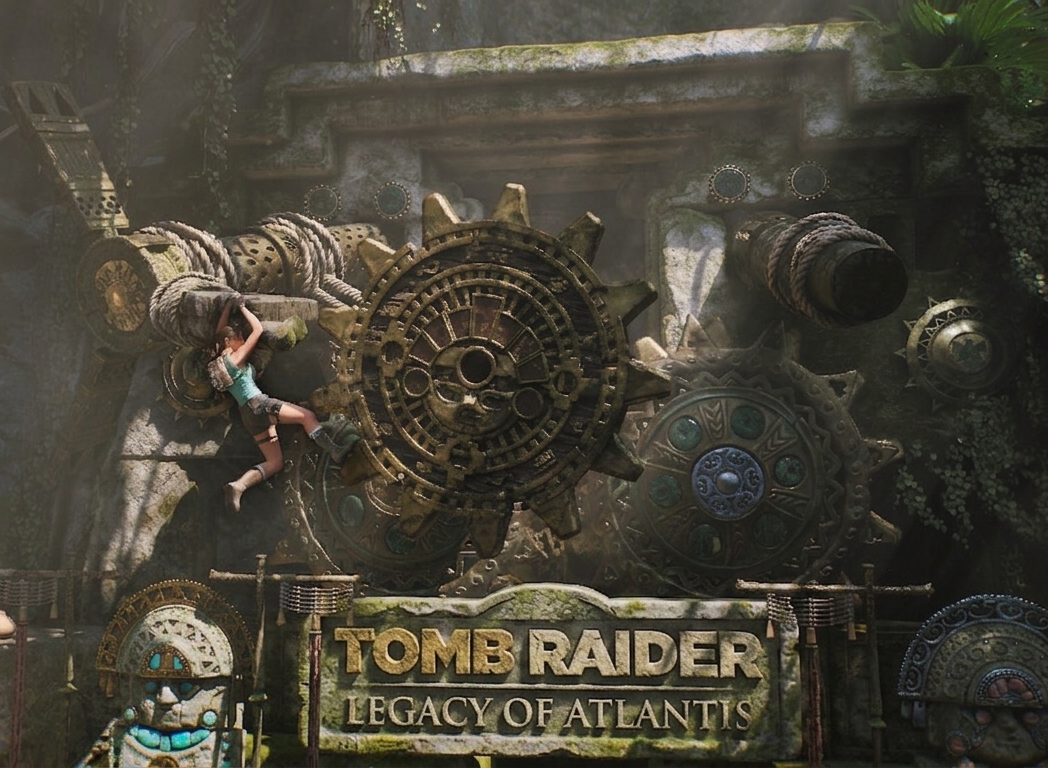
A long-awaited return to classic adventure gaming is quietly taking shape, with a full Tomb Raider remake expected to arrive on PC later this year. For fans who grew up with Lara Croft’s early journeys—or for those discovering the franchise in modern form—this revival feels like a rare chance to revisit where it all began, reimagined through today’s technology and design standards.
Since its debut in the mid-90s, Tomb Raider has stood as a defining name in action-adventure gaming, shaping how players explore ancient ruins, solve environmental puzzles, and survive perilous expeditions across the globe. Lara Croft herself quickly became a cultural icon, symbolizing a new era of cinematic gameplay where exploration and danger went hand in hand.
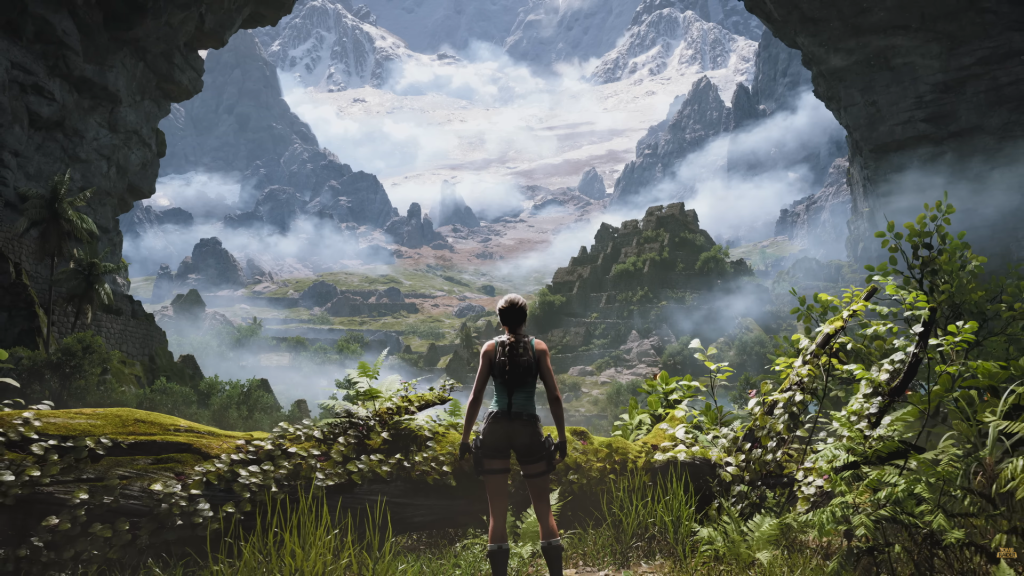
A trailer for the demake surfaced on Twitter, shared by its creator DelcaTheKitten. Instead of the usual 3D exploration the series is known for, this version reimagines Tomb Raider as a 2D side-scrolling adventure—and surprisingly, it feels like it fits the franchise’s old-school spirit really well. It’s the kind of idea that could almost pass for an official spin-off.
The creator described it as:
“Classic Tomb Raider, fully reimagined as a side-scroller.”
They added that the project was built alongside Trxye and is now fully completed, with a planned release window of May 2026.
Game Overview
Tomb Raider: Legacy of Atlantis is positioned as a modern evolution of the Tomb Raider formula, combining:
- Exploration-led progression
- Large-scale tomb environments
- Puzzle-driven gameplay structure
- Reduced but meaningful combat encounters
- Mythology-focused narrative (Atlantis theme)
Design Direction (Confirmed vs Expected)
- Confirmed: Franchise continues focus on Lara Croft exploration identity
- Expected: Return to heavier tomb/puzzle emphasis compared to recent action-heavy entries
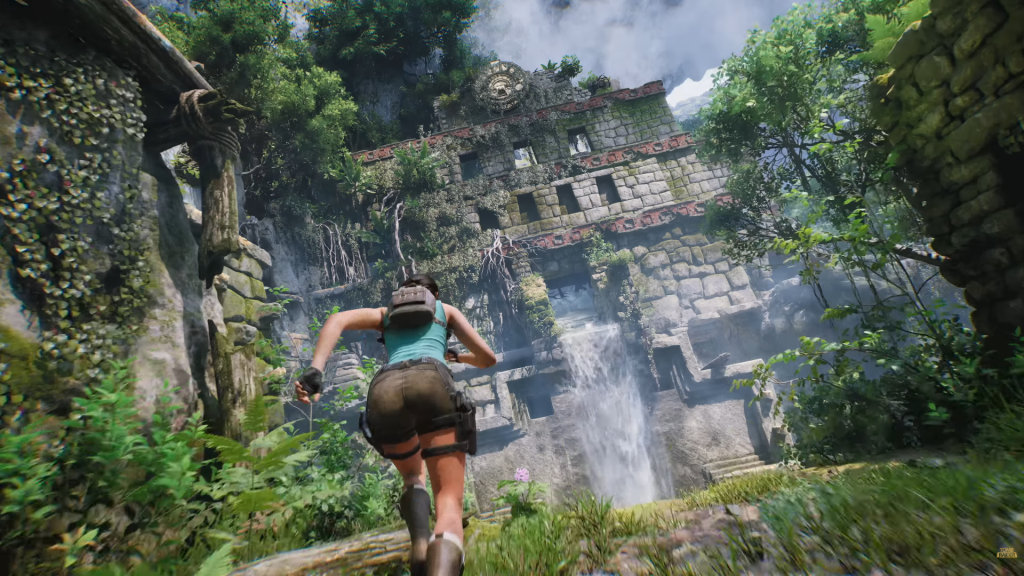
Core Gameplay Loop
The franchise typically follows a structured exploration loop, and this entry is expected to continue that foundation.
Explore→Discover Tomb→Solve Puzzle→Unlock Artifact→Upgrade Gear→New AreaExplore \rightarrow Discover \ Tomb \rightarrow Solve \ Puzzle \rightarrow Unlock \ Artifact \rightarrow Upgrade \ Gear \rightarrow New \ Area
Interpretation
This loop emphasizes:
- Environmental problem solving
- Reward-based exploration
- Gradual progression through gear upgrades
Exploration & Traversal Systems
Confirmed Franchise Mechanics
- Climbing and ledge traversal
- Rope-based movement systems
- Environmental puzzle navigation
- Vertical level design philosophy
Expected Additions (Speculative)
- Expanded underwater tomb exploration
- More open interconnected tomb hubs
- Environmental reactivity (moving structures, collapses)
Why this matters
Modern Tomb Raider games consistently rely on navigation as core gameplay, not just movement.
While Tomb Raider focuses heavily on exploration and puzzle-solving, games like Crimson Desert expand this into a massive open-world RPG with dynamic combat and large-scale environments.
Combat System
Combat in Tomb Raider is traditionally secondary to exploration.
Expected Combat Structure
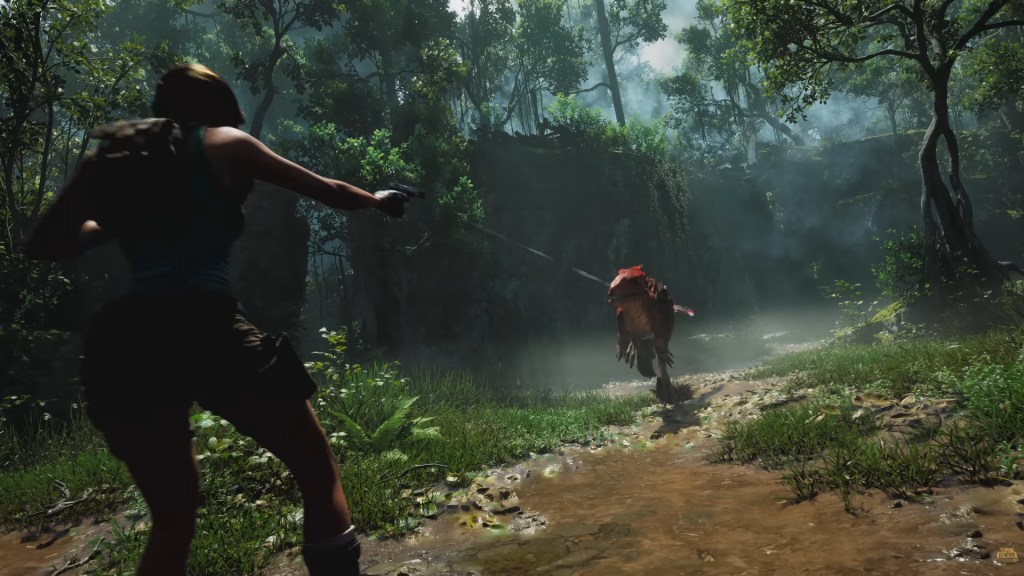
- Short, situational encounters
- Hybrid stealth + ranged combat
- Environmental usage (traps, terrain)
- Limited resource pressure (ammo/positioning)
Stealth→Detection→Dodge / Roll→Ranged Attack→Environmental Kill Opportunity→Reset ExplorationStealth \rightarrow Detection \rightarrow Dodge \ / \ Roll \rightarrow Ranged \ Attack \rightarrow Environmental \ Kill \ Opportunity \rightarrow Reset \ Exploration
Key Design Insight
Combat is not meant to dominate gameplay — it functions as:
A disruption layer between exploration and puzzle progression.
Compared to high-speed action titles like Phantom Blade Zero, this game leans more toward methodical exploration and environmental challenges.
Puzzle Design System
Puzzles remain the core identity pillar of the franchise.
Core Puzzle Categories
1. Physics-Based
- Weighted platforms
- Movable structures
- Momentum-based mechanisms
2. Water Systems
- Flooding chambers
- Drain mechanics
- Flow redirection puzzles
3. Light & Reflection
- Mirrors
- Beam alignment
- Energy routing
4. Mechanical Systems
- Ancient gears
- Lever chains
- Pressure-based triggers
5. Trap Navigation
- Timed rooms
- Collapse sequences
- Environmental hazards
Design Insight
Puzzles are expected to scale in:
- Verticality
- Multi-room logic
- Dependency chains (solve room A to unlock room C)
Atlantis Setting
Atlantis is expected to be the thematic anchor of the game.
Likely Narrative Elements (Speculative)
- Lost advanced civilization
- Mythical artifacts tied to power control
- Hybridized ancient structures
- Submerged temple ecosystems
Why Atlantis Matters
It allows designers to justify:
- Non-realistic architecture
- Environmental puzzles beyond physics constraints
- Mythological enemy types
For players who enjoy deeper, choice-driven storytelling, The Blood of Dawnwalker offers a darker RPG experience where decisions directly shape the narrative.
Enemy & Encounter Design
Human Factions (Expected)
- Mercenary groups
- Treasure hunters
- Rival expedition teams
Environmental Threats
- Wildlife predators
- Cave-based hazards
- Structural collapse scenarios
Mythological Creatures (Speculative)
- Ancient guardians
- Temple protectors
- Hybrid myth-beings tied to Atlantis lore
World Structure
Likely Structure Model
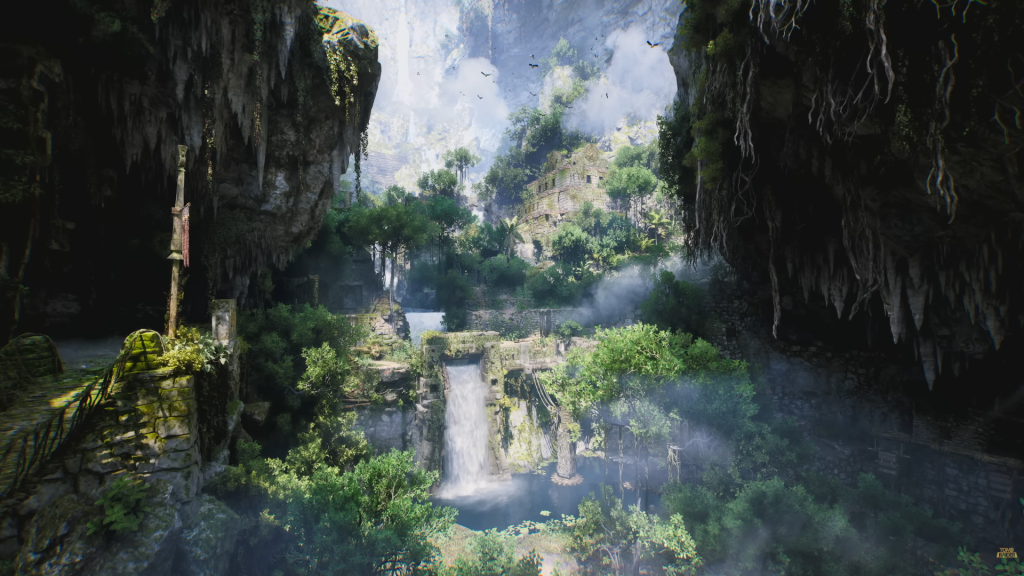
- Semi-open hub regions
- Interconnected tomb networks
- Backtracking enabled by new tools
- Optional hidden tomb layers
Design Intent
This structure balances:
- Exploration freedom
- Controlled narrative pacing
- Puzzle gating progression
Tools & Progression Systems
Expected toolset evolution:
- Climbing axe (core traversal)
- Rope arrows / grappling tools
- Underwater gear (Atlantis integration)
- Artifact scanning or relic detection tools
Gameplay Function
Tools are not cosmetic — they function as:
Progression locks for exploration expansion.
Tomb Design Philosophy
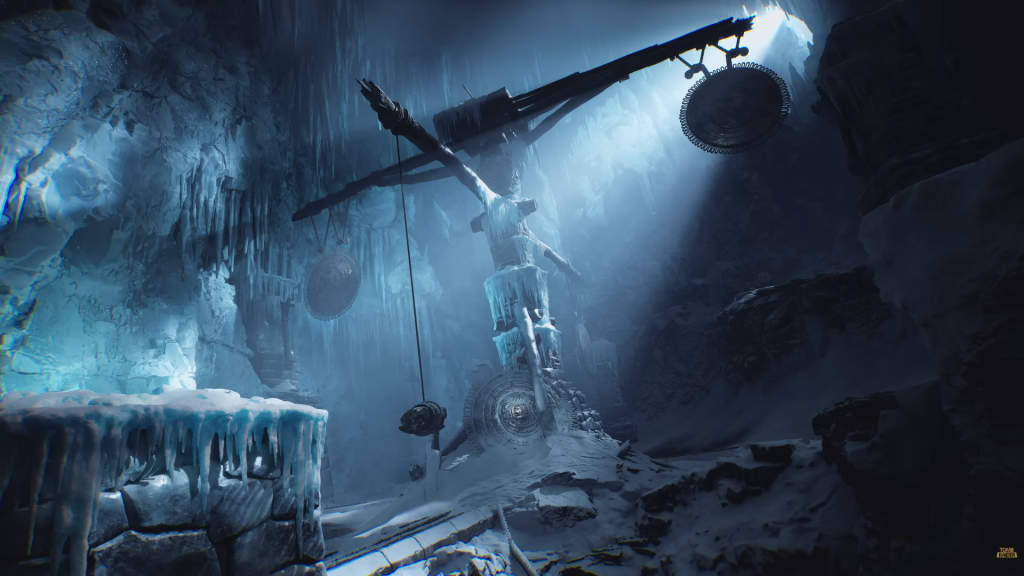
Tombs are expected to follow a layered structure:
- Vertical traversal layers
- Multi-stage puzzle rooms
- Hidden chambers
- Escape sequences after artifact acquisition
Core Design Principle
Every tomb is designed as:
A self-contained puzzle ecosystem.
Comparison: Where This Entry Fits in the Franchise
Compared to Classic Tomb Raider
- More cinematic presentation
- Larger environmental scale
- Expanded puzzle systems
Compared to Survivor Trilogy
- Reduced combat focus
- Increased tomb density
- Stronger exploration identity
Design Positioning
This entry appears aimed at:
Rebalancing Tomb Raider back toward exploration and puzzle identity.
What Makes It Potentially Stand Out
If design direction holds true, key differentiators include:
- Stronger emphasis on puzzle-first gameplay
- Atlantis mythology as a central narrative backbone
- Larger interconnected tomb environments
- Reduced combat dominance
- Stronger classic Tomb Raider identity revival
Key Takeaway
Tomb Raider: Legacy of Atlantis is shaping up (based on available patterns and franchise direction) to be a return-to-form exploration and puzzle-driven experience, where combat is secondary and environmental design is the primary gameplay driver.
FAQ
What type of gameplay does Tomb Raider focus on?
Exploration, puzzle-solving, traversal systems, and narrative-driven adventure gameplay.
Are puzzles important in Tomb Raider games?
Yes, puzzles are a core gameplay pillar across all modern entries.
How does combat work in Tomb Raider?
Combat is a secondary system focused on stealth, ranged attacks, and environmental interaction.
What makes Tomb Raider different from other action games?
Its focus on exploration, tomb puzzles, and traversal-based progression systems.
#Related Articles
– Crimson Desert Complete Guide
– The Blood of Dawnwalker Breakdown
– Phantom Blade Zero Year of the Snake