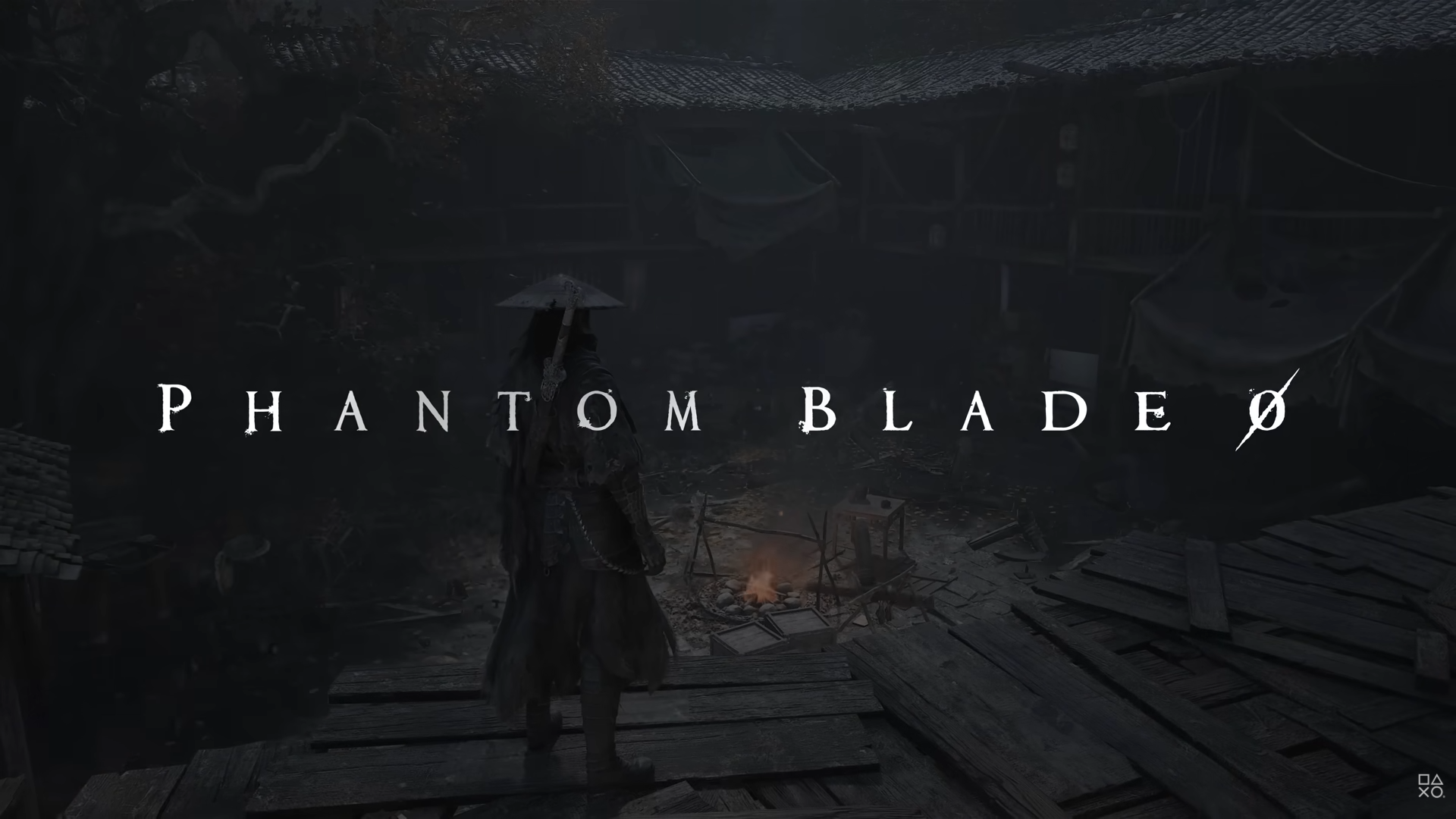
The Year of the Snake trailer for Phantom Blade Zero presents one of the most mechanically intriguing action showcases in recent years.
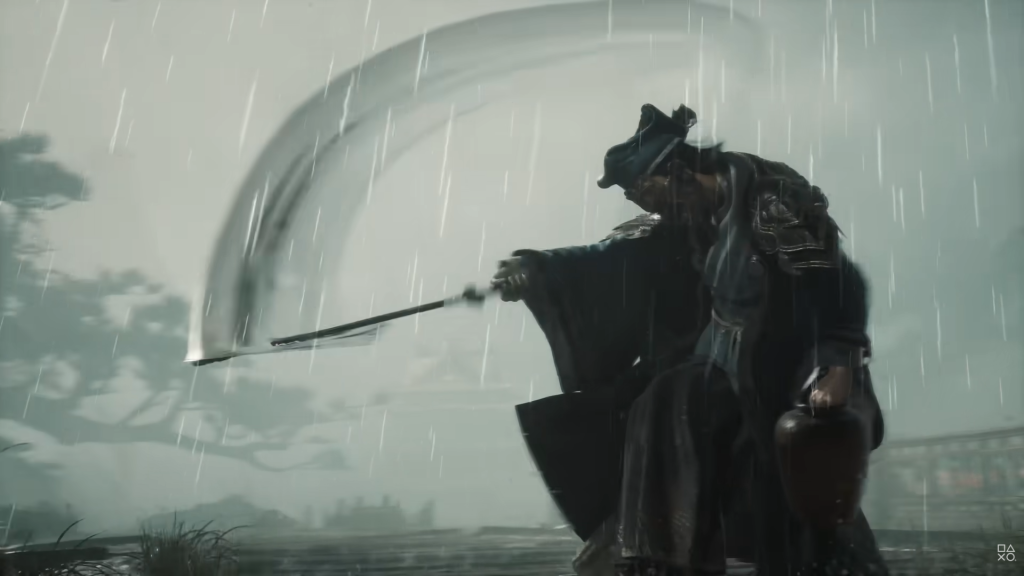
In Phantom Blade Zero: Year of the Snake, one of the most striking visual ideas is the way the sword itself is animated to mimic a serpent in motion. Rather than behaving like a rigid metal weapon, it flows through combat with a fluid, almost living quality—curving, snapping, and recoiling as attacks chain together. This creates the illusion of a snake striking from different angles, blending elegance with sudden lethality. The result is a combat aesthetic where the blade feels less like a tool and more like an extension of controlled, unpredictable energy, reinforcing the game’s fast, momentum-driven fighting style and its strong symbolic focus on the snake motif.
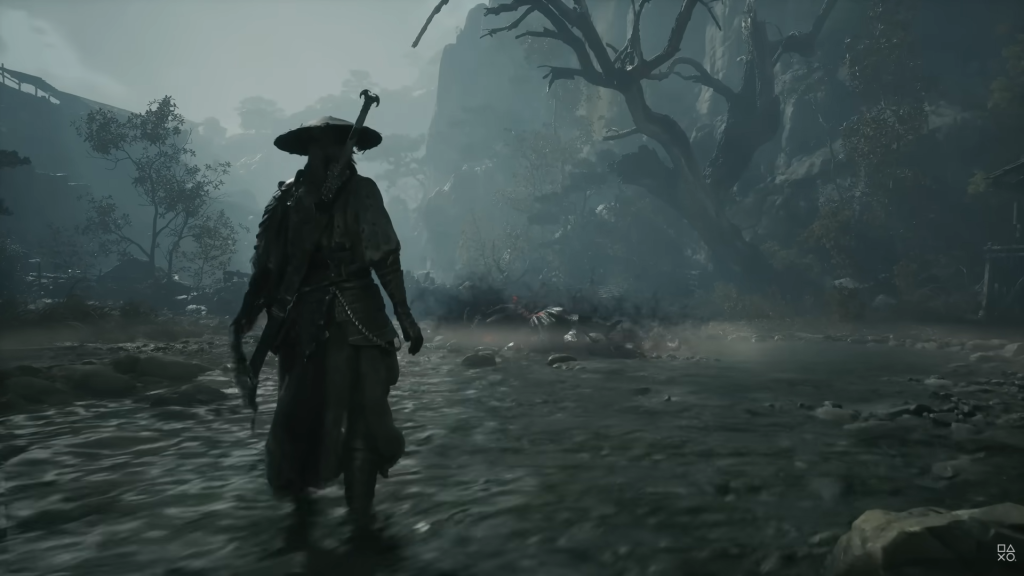
For a broader open-world RPG experience with deeper systems and exploration, Crimson Desert offers a much larger sandbox with diverse gameplay mechanics.
Story & Lore Analysis – Year of the Snake
Tone & Themes
The trailer introduces a darker narrative direction:
Confirmed
- Supernatural elements
- Ritualistic imagery
- Snake symbolism
Strongly Implied
- Secret societies or factions
- Political intrigue
- Revenge-driven storyline
Evidence Framework
To maintain accuracy, all observations are grouped into:
Confirmed (Visible in Trailer)
Directly observable mechanics or UI behavior
Strongly Suggested (System Inference)
Likely design intent based on repeated visual patterns
Unknown (Not Verifiable Yet)
Not supported by available footage
1. Combat Presentation Overview
Confirmed Observations
From multiple sequences in the trailer:
- Fast-paced melee combat with no visible stamina system
- Seamless attack-to-attack chaining
- High mobility dashing and repositioning
- Frequent enemy hit reactions and stagger states
- Minimal UI presence during combat
The combat is designed around continuous offensive momentum, rather than resource-limited action systems.
2. Combo System Structure
Strongly Suggested System Design
Based on repeated animation behavior:
- Attacks flow without long recovery pauses
- Hit reactions occur mid-animation
- Moves appear cancelable into follow-ups
Likely system behavior:
This suggests a character-action style combat loop, similar in philosophy (not execution) to games like Devil May Cry or Ninja Gaiden.
There is no official confirmation of cancel windows or combo routing systems.
So this remains an inference based on animation logic, not confirmed mechanics.
3. Mid-Combo Weapon Switching
Confirmed Observation
One of the most important visible mechanics:
- Weapon changes occur during active combat sequences
- No visible combo reset after switching
- Attack flow continues uninterrupted
What this confirms safely:
- Weapon swapping does not fully interrupt combat flow
- The system is designed to support fluid transitions between weapon types
Strong Interpretation (Not Confirmed)
- Potential shared combo state across weapons
- Possible style-based loadout design
- Likely emphasis on player expression through weapon choice
No UI, skill tree, or weapon classification system has been officially shown yet.
4. Defensive System
Confirmed Observations
- Timed defensive deflection animations exist
- Enemy stagger follows successful defense
- Counterattacks are immediately possible
Likely Design Intent
Based on timing and feedback loops:
- Defense is skill-based rather than passive blocking
- Risk/reward timing window is central to survival
What is NOT confirmed:
- Exact parry frame windows
- Whether perfect parry triggers special effects
- Whether defense consumes any resource
5. Movement and Mobility Design
Confirmed
- Fast directional dashes during combat
- Aggressive repositioning between attacks
- No visible stamina restriction on movement
Suggested Interpretation
The movement system appears to support:
- Offensive repositioning rather than evasive retreat
- High tempo engagement loops
- Close-range sustained combat pressure
This aligns with modern high-aggression action design philosophies.
Unlike slower, more atmospheric experiences like Necrophosis Full Consciousness, Phantom Blade Zero focuses on fast-paced combat, precision, and fluid martial arts-inspired gameplay.
6. Enemy Encounter Structure
Confirmed
- Standard enemies react with stagger states
- Some enemies have heavier attack windups
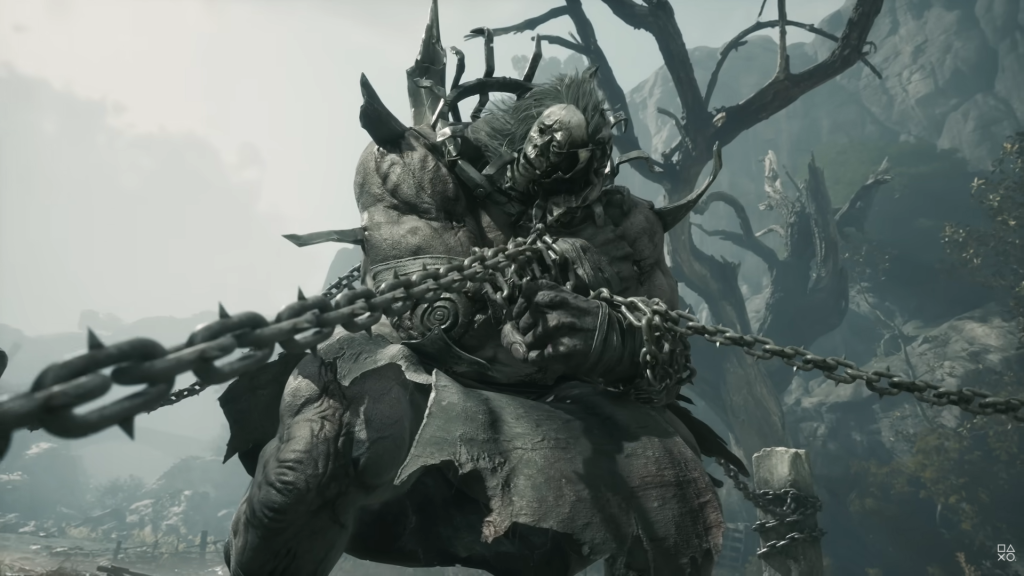
- Boss-scale enemies appear in dedicated arenas
Likely Design Pattern
From visual framing and pacing:
- Standard enemies: combo-building targets
- Elite enemies: parry timing practice
- Boss fights: structured encounter phases (not confirmed)
7. Boss Design & Encounter Framing
Confirmed
- Cinematic introduction sequences
- Dedicated combat arenas
- Large-scale enemy presentation
Suggested Design Direction
While not officially confirmed:
- Multi-phase boss structures are commonly used in this genre
- Pattern recognition likely plays a major role
- Arena design suggests controlled encounter pacing rather than open-world chaos
This kind of high-intensity combat design contrasts with more narrative-driven titles like The Devil in Me
, where tension comes from player choices rather than mechanical skill.
8. Visual & UI Philosophy
Confirmed
- Minimal UI during combat
- No stamina bar visible in showcased footage
- Emphasis on animation readability
Design implication:
The game prioritizes visual clarity and animation feedback over HUD reliance.
9. Combat Loop
Based strictly on repeated trailer behavior:
Observed Loop Flow:
- Engage via dash or approach attack
- Chain multiple melee hits
- Trigger enemy stagger
- Deflect incoming counterattack
- Continue offensive pressure
- Transition into finisher-style animations
Important clarification:
This is a pattern-based interpretation, not a confirmed official combat system diagram.
10. What Makes the Combat Stand Out (Comparative Context)
Without assuming final mechanics, the trailer suggests a hybrid direction:
| System Style | Similarity Level |
|---|---|
| Character-action combat | High influence (movement + chaining) |
| Souls-like pacing | Low influence (no slow stamina pacing visible) |
| Martial arts cinematic combat | Very high influence (animation-driven flow) |
Key distinction:
Unlike slower tactical action systems, this presentation emphasizes:
- Speed over hesitation
- Continuous engagement
- Animation-driven combat readability
For players who prefer grounded samurai-style combat, Ghost of Tsushima offers a more realistic but equally immersive approach to sword-based gameplay.
11. Narrative & Thematic Direction
Confirmed
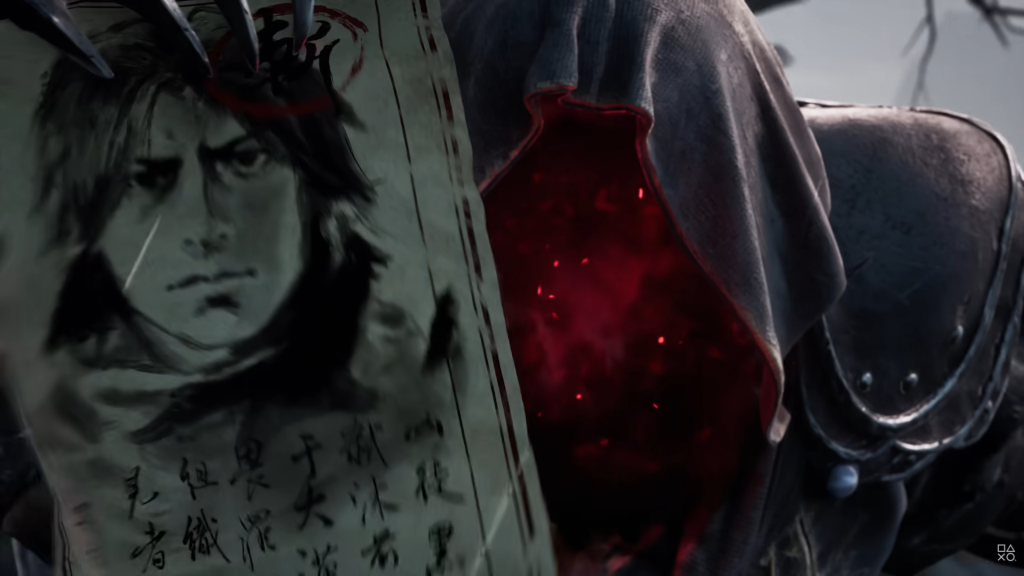
- Strong serpent imagery
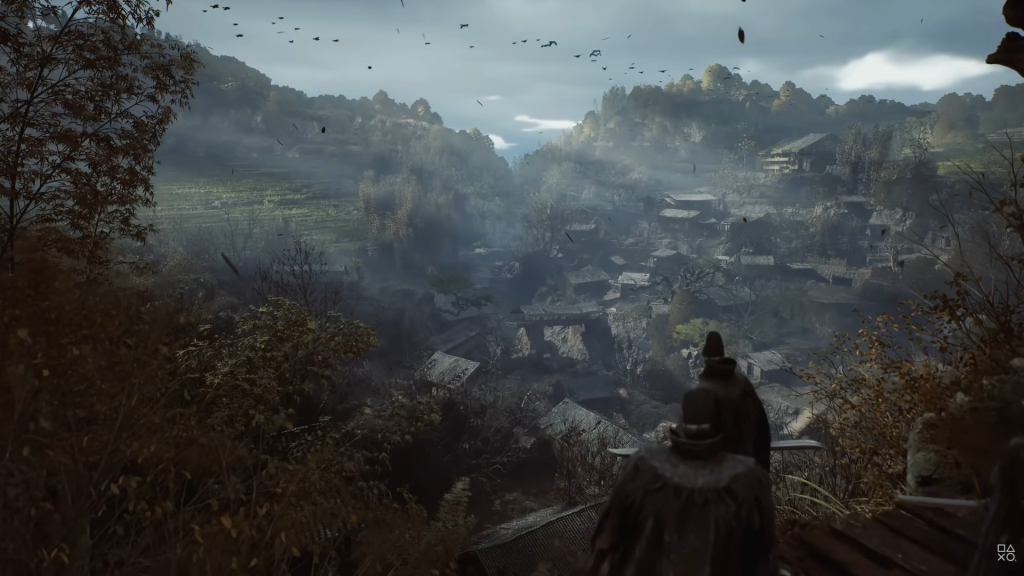
- Ritualistic and symbolic environments
- Dark wuxia-inspired tone
Likely Themes
- Transformation symbolism (“Snake” motif)
- Secret faction or hidden order structure
- Revenge or initiation narrative archetype
Important note:
No full story details have been officially revealed, so narrative interpretation remains speculative.
12. What Is Still Unknown
- Progression system (skills, leveling, RPG depth)
- Weapon upgrade mechanics
- Open world vs linear structure
- Multiplayer features
- Final combat system complexity
Hidden Trailer Details Most Missed
- No visible stamina system → aggressive gameplay focus
- Frequent enemy stagger → rewards offensive play
- Tight camera → cinematic combat experience
- Minimal UI → immersive design philosophy
What Makes Phantom Blade Zero Unique
- Ultra-fast wuxia combat style
- Seamless weapon switching system
- Cinematic yet skill-based gameplay
- Strong blend of martial arts and dark fantasy
It stands out as:
a hybrid between character-action and cinematic RPG combat
Final Analysis
The Year of the Snake trailer for Phantom Blade Zero demonstrates a combat system that is clearly built around:
- high-speed melee chaining
- fluid weapon transitions
- precision-based defensive timing
- cinematic encounter design
However, most deeper systems (progression, full combat rules, and structure) remain unconfirmed at this stage.
FAQ
What is Phantom Blade Zero: Year of the Snake?
“Year of the Snake” appears to be a new trailer showcase highlighting darker story elements, snake-themed symbolism, and expanded combat mechanics in Phantom Blade Zero.
Is Year of the Snake a DLC or full game?
Currently, there is no confirmation whether “Year of the Snake” is:
- DLC
- story chapter
- marketing subtitle
- standalone expansion
Is Phantom Blade Zero open world?
Not confirmed. The trailer suggests:
- linear levels
- arena-style encounters
- handcrafted environments
What platforms will Phantom Blade Zero release on?
Confirmed platforms:
- PlayStation 5
- PC
When is Phantom Blade Zero releasing?
There was previous speculation and rumors regarding a 2025 release, but as of April 2026, the official release date is confirmed for September 9, 2026, as confirmed by IGN’s coverage and the PlayStation Store page.
#Related Articles
– 007 First Light Gameplay Analysis
– Necrophosis Full Consciousness Breakdown
– The Devil in Me Guide
– Ghost of Tsushima Gameplay Breakdown