Crimson Desert is shaping up to be one of the most mechanically ambitious open‑world action RPGs currently in development, combining high‑mobility combat, physics‑driven encounters, large‑scale battles, and cinematic boss fights. However, much of the information circulating online mixes speculation with assumptions, making it difficult to separate what is actually shown from what is merely expected.
How This Guide Is Built
This guide is based strictly on:
- Official gameplay trailers and showcase footage
- Developer interviews and public statements
- Frame-by-frame gameplay analysis
- Repeated mechanic validation across scenes
All information is categorized as:
- Confirmed: Clearly visible in gameplay footage
- Inferred: Strongly suggested by repeated patterns
- Unconfirmed: Not yet proven in official material
This ensures the guide avoids speculation while still providing structured insight.
For a more puzzle-focused adventure experience, Tomb Raider: Legacy of Atlantis emphasizes exploration and environmental challenges over large-scale open-world systems.
2. Story Overview
Confirmed Story Elements
- Setting: Fantasy continent Pywel
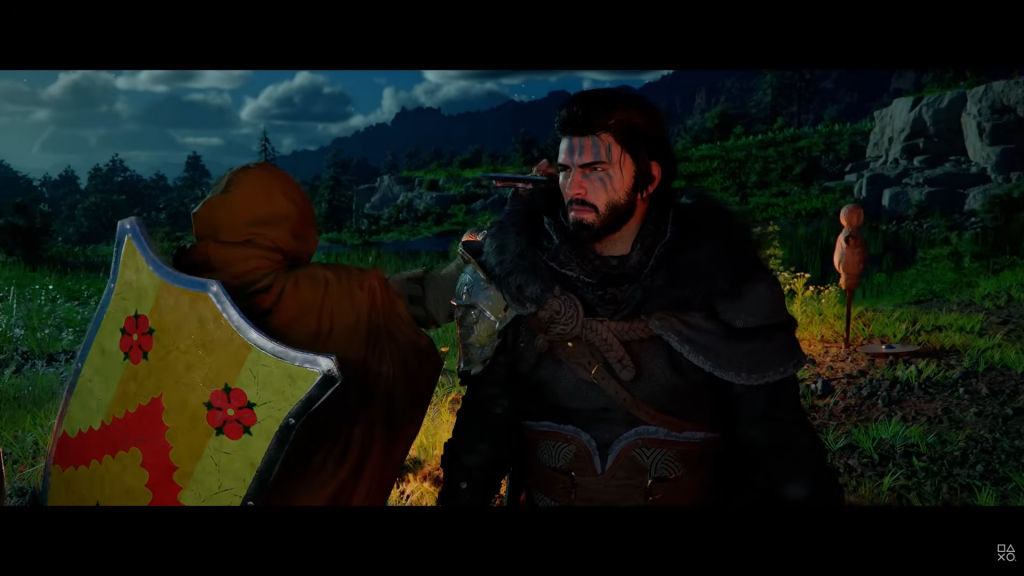
- Protagonist: Macduff, mercenary leader
- World state: Active multi-faction warfare
- Core tone: Survival, contracts, battlefield chaos
Inferred Narrative Direction
- Mercenary contracts escalate into regional war involvement
- Player becomes a key figure in faction conflicts
- Moral ambiguity is implied through mission structure
Not Confirmed
- Branching story choices
- Multiple endings
- Romance systems
- Moral alignment systems
Narrative Insight
The structure suggests a grounded political fantasy direction rather than a traditional heroic RPG storyline.
3. Main Characters & Factions
Macduff (Playable Protagonist)
Confirmed:
- Playable character
- Mercenary commander
- Engages in large-scale combat
Inferred:
- Tactical battlefield leader
- Central figure in faction escalation
Mercenary Group
Confirmed:
- Appears in combat scenarios
Inferred:
- Mission progression hub
- Narrative and upgrade structure foundation
Enemy Factions
Confirmed:
- Armored infantry units
- Organized military formations
Inferred:
- Multiple kingdoms or political powers
- Boss units tied to faction leadership
Creatures & Beasts
Confirmed:
- Large-scale non-human enemies in open world
Inferred:
- Territory-based boss encounters
- Environmental hazard creatures
Combat System Breakdown
Crimson Desert uses a layered action-combat system built around mobility and physics.
Core Combat Pillars
- Grapple Engagement
- Launch Attacks
- Air Combos
- Slam Finishers
- Physics Interactions
- Reposition Movement
These systems chain together into continuous combat flow.
Combat System Diagram
Engage Enemy
↓
Grapple Pull
↓
Launch Attack
↓
Air Combo
↓
Slam Finisher
↓
Ground Combo
↓
Physics Interaction
(wall hit / object break)
↓
Reposition
(dash / grapple / mount)
↺ Re-engage
This diagram represents the repeatable combat loop visible in gameplay footage. The player controls enemies using grapple mobility, launches them into air combos, finishes with slams, and uses physics collisions before repositioning for the next chain.
The loop emphasizes:
• Continuous enemy control
• Minimal downtime
• Physics-based damage extension
• Mobility-driven combat flow
For a more contained but supernatural RPG experience, Control Resonant focuses on abilities, progression, and narrative within a reality-bending world.
Grapple Combat
Function: • Pull enemies toward player
• Start combo chains
• Interrupt enemy actions
Gameplay Role: Primary engagement tool instead of dodge-only combat.
Launch & Air Combo System
Confirmed: • Enemy launch animations
• Mid-air attacks
• Slam finishers
Gameplay Impact: • Keeps enemies controlled
• Extends combos
• Reduces incoming threats
Physics-Based Combat
Confirmed: • Enemies collide with environment
• Knockback reactions
• Object destruction
Gameplay Impact: • Environmental damage
• Dynamic battlefield chaos
Mounted Combat
Confirmed: • Sword combat on horseback
• Movement during battle
Gameplay Role: • Mobility-based combat
• Large-scale battle traversal
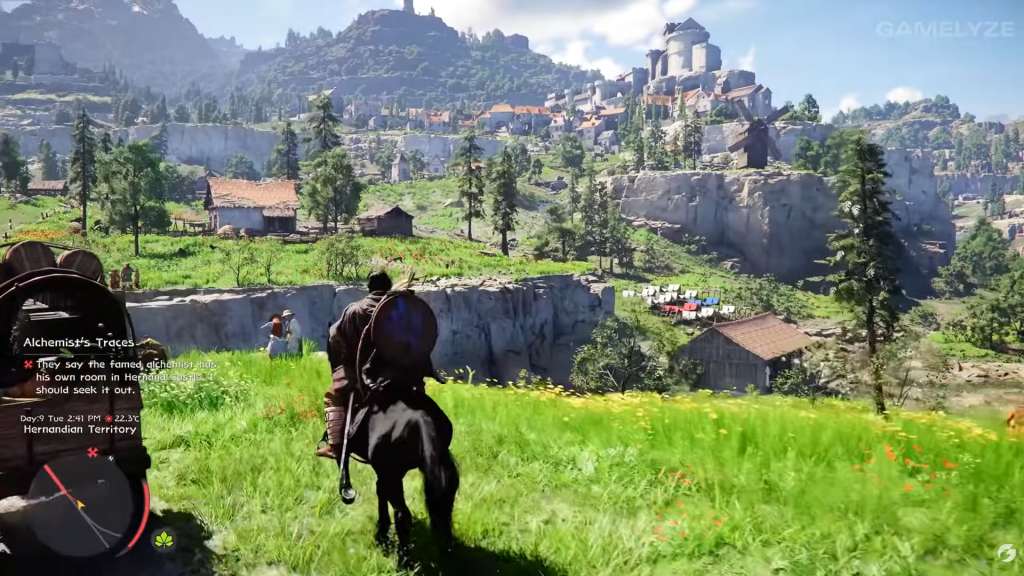
Combat Flow Example
Engage → Grapple → Launch → Air Combo → Slam → Ground Combo → Reposition
This loop appears repeatedly across gameplay.
Official Trailer Breakdown
Gameplay Reveal Trailer
World Establishment
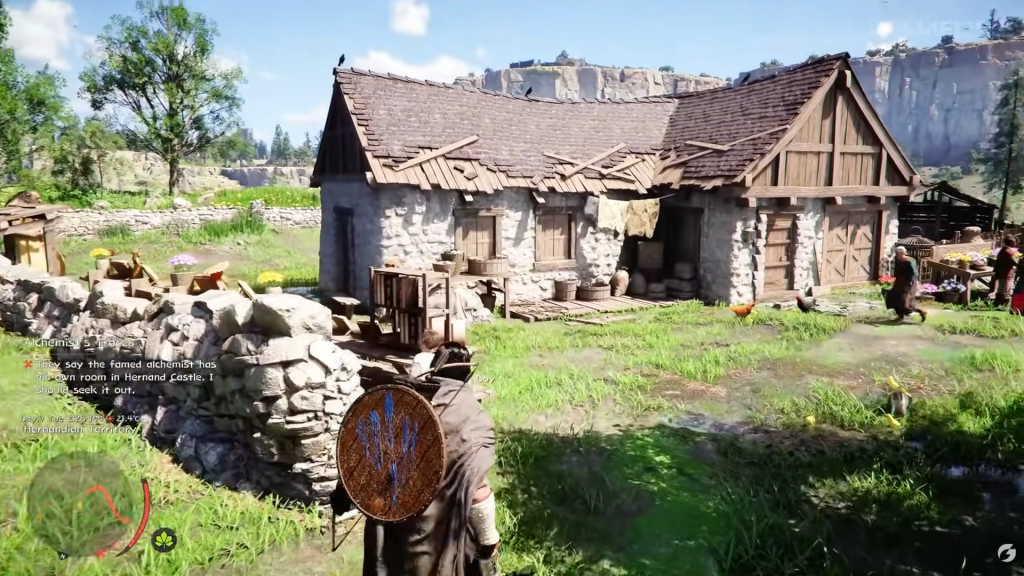
- Seamless open-world environment shown
- No loading transitions visible
Grapple Combat Introduction
- Grapple used directly in combat
- Confirms combat integration, not traversal-only mechanic
Air Combo System
- Enemy launch → aerial chain attacks
- Confirms juggle combat system
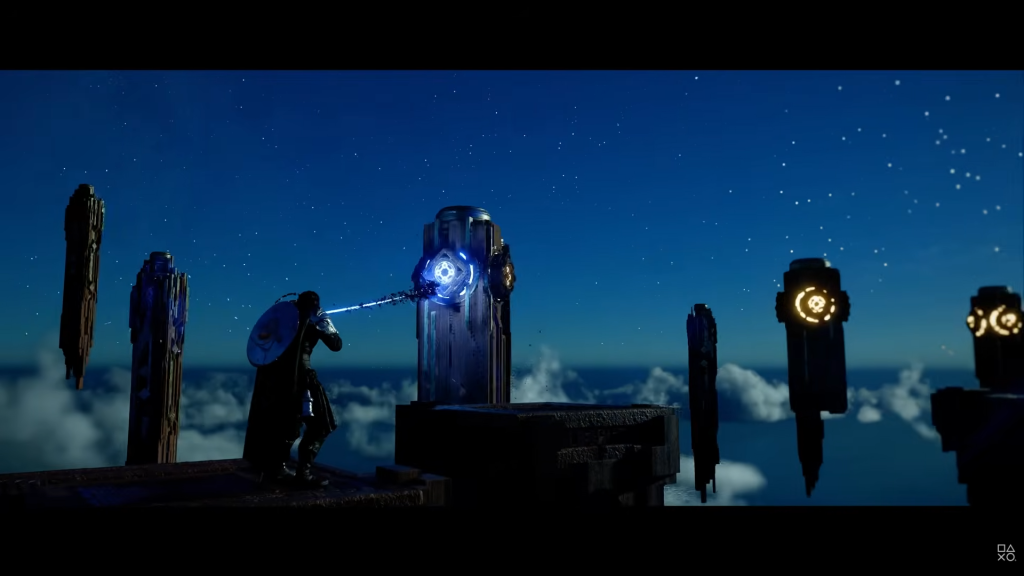
Physics Interaction
- Enemy collides with environment and staggers
- Confirms environmental combat physics
Mounted Combat
- Horse combat while moving
- Confirms mounted combat integration
Large-Scale Battle
- Multi-unit faction warfare
- Confirms large-scale AI battle systems
Embedded Gameplay References
Official Gameplay Showcase
Shows:
- Grapple combat system
- Air juggling mechanics
- Mounted combat
- Large battlefield encounters
Engine & Physics Showcase
Shows:
- Environmental physics systems
- Water and terrain interaction
- Combat animation blending
Weapons Overview
Sword
- Balanced combat tool
- Standard combo structure
Dual Blades
- Fast attack speed
- Air combo synergy
Heavy Weapons
- High stagger output
- Slow recovery, high damage
Bow
- Long-range engagement
- Target isolation tool
Boss Design Analysis
Armored Commander-Type Boss
- Leads infantry units
- Shield-based formations
Inferred Mechanics:
- Adds-based combat
- Tactical positioning pressure
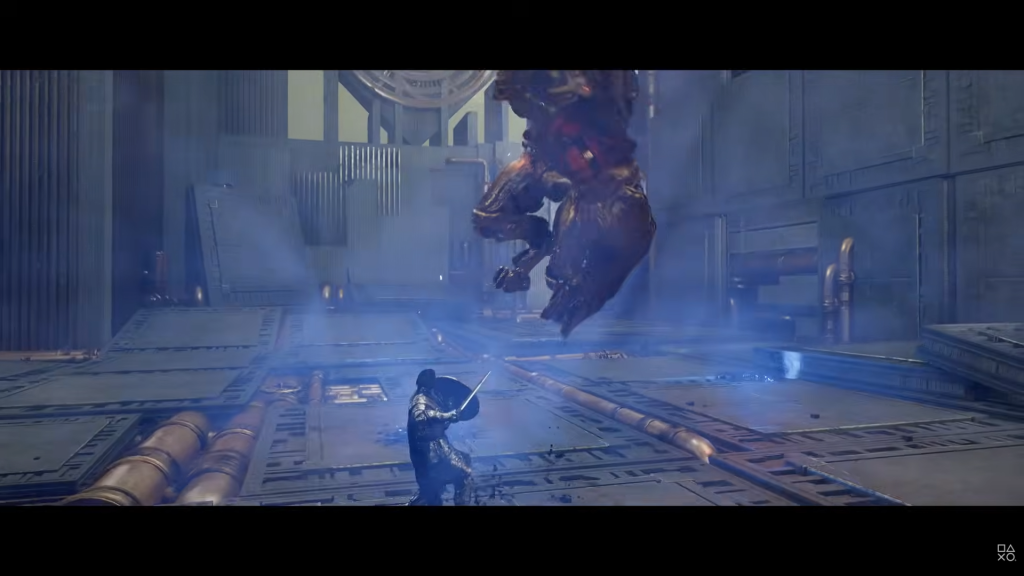
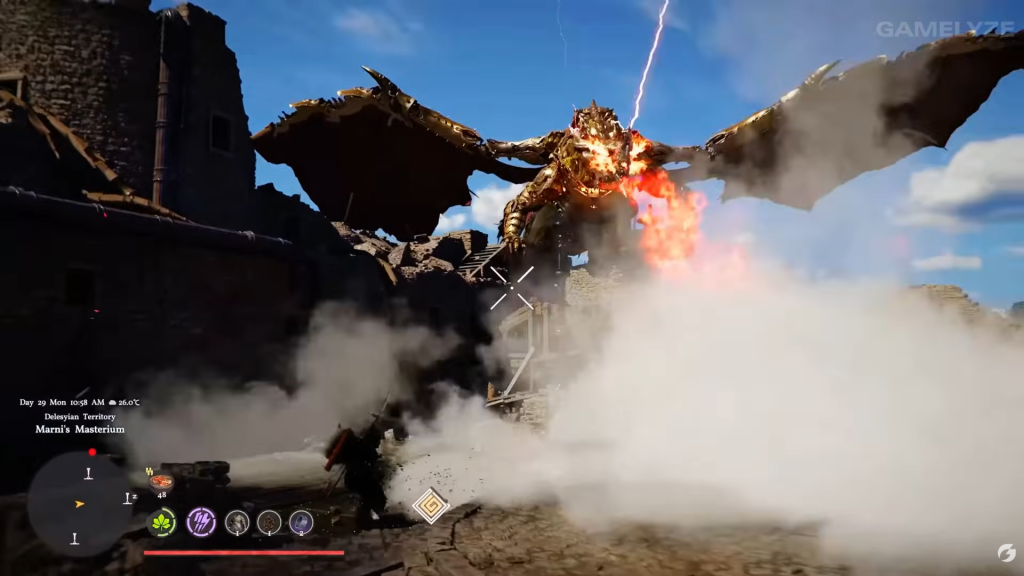
Colossus Armored Entity
- Massive slow-moving boss
- Wide AoE attack patterns
Inferred Mechanics:
- Weak point exposure windows
- Punish-based combat design
Beast-Type Boss
- Fast movement
- Charge + leap attacks
Inferred Mechanics:
- Reaction timing combat
- Predictive dodge system
If you’re looking for a more system-focused and structured gameplay experience, 007 First Light offers a cinematic approach with mission-based progression.
Exploration Systems
Confirmed:
- Climbing traversal
- Horse travel
- Grappling movement
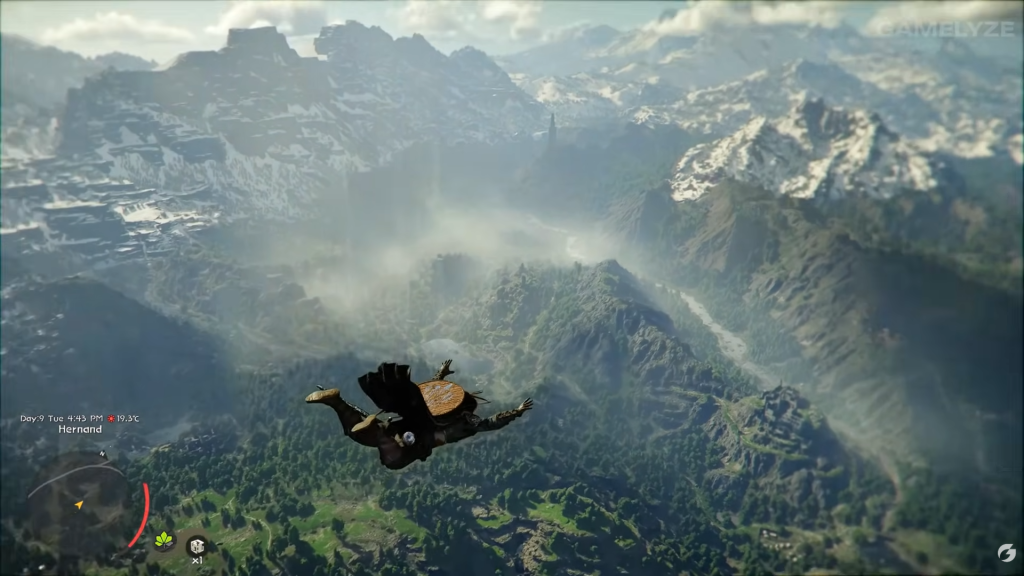
- Gliding mechanics
Inferred:
- Vertical world layering
- Seamless biome transitions
- Encounter-driven exploration
Developer Insights
Developer commentary suggests:
- Combat is designed around physical interaction systems
- Environmental behavior is part of combat design, not decoration
- Systems were iterated heavily over development cycles
- Developer interviews discussing combat design evolution and narrative iteration
- Technical showcases highlighting physics and animation systems
Beginner Combat Strategy
Best observed loop:
- Grapple enemy
- Launch into air
- Air combo chain
- Slam finisher
- Ground combo extension
- Reposition immediately
Why it works:
- Maximizes control time
- Maintains stagger advantage
- Reduces incoming damage
- Keeps combat momentum active
Combat & World Design Comparison (What Makes Crimson Desert Different)
To understand Crimson Desert’s design direction, it helps to compare it with other major action RPGs. While it shares surface similarities with several titles, its underlying systems behave differently in key ways.
Crimson Desert vs Dragon’s Dogma 2
Dragon’s Dogma 2 is the closest comparison in terms of physical combat interaction, but the execution differs significantly.
Similarities:
- Physics-driven enemy interactions
- Large-scale boss encounters
- Real-time action combat with positioning importance
Key Differences:
- Dragon’s Dogma 2 focuses on party-based synergy (Pawns system)
- Crimson Desert emphasizes solo mercenary control and direct battlefield manipulation
- Crimson Desert adds grapple + aerial combo chaining, which is not a core system in Dragon’s Dogma 2
Verdict:
Dragon’s Dogma 2 = tactical party action RPG
Crimson Desert = solo kinetic combat sandbox with mobility chaining
Crimson Desert vs The Witcher 3
The Witcher 3: Wild Hunt represents a narrative-first RPG approach, which is almost the opposite design philosophy.
Similarities:
- Open-world fantasy setting
- Mercenary-like protagonist themes
- Faction-driven world conflicts
Key Differences:
- Witcher 3 = story-driven RPG with scripted combat flow
- Crimson Desert = system-driven combat sandbox
- Witcher 3 combat is ability + timing based, but grounded
- Crimson Desert adds vertical combat (air combos + grapples) and environmental physics as core systems
Verdict:
Witcher 3 = narrative RPG experience
Crimson Desert = mechanical combat simulation with story layers
FAQ
Is Crimson Desert open world?
Yes, gameplay confirms a seamless open-world structure with traversal systems.
Is combat fast-paced?
Yes, combat is built around chaining, grapples, and aerial transitions.
Does it have grappling combat?
Yes, grappling is a core combat mechanic, not just traversal.
Are there large bosses?
Yes, multiple large-scale boss encounters are visible in trailers.
Is physics important in combat?
Yes, environmental interaction directly affects combat outcomes.
#Related Guides & Articles
– The Blood of Dawnwalker Breakdown
– Phantom Blade Zero Year of the Snake
– 007 First Light Gameplay Analysis
– The Devil in Me Guide