Saros is a roguelite shooter built around repeat runs, permanent upgrades, and increasingly difficult enemy encounters. Success does not come from raw damage—it comes from survival efficiency, upgrade timing, and learning enemy attack patterns.
Most beginners fail because they:
- Over-invest in damage too early
- Rush boss fights underpowered
- Ignore dash economy
- Don’t understand upgrade scaling
This guide fixes that with a structured early-game path, real upgrade priorities, and a boss strategy that actually works in practice.
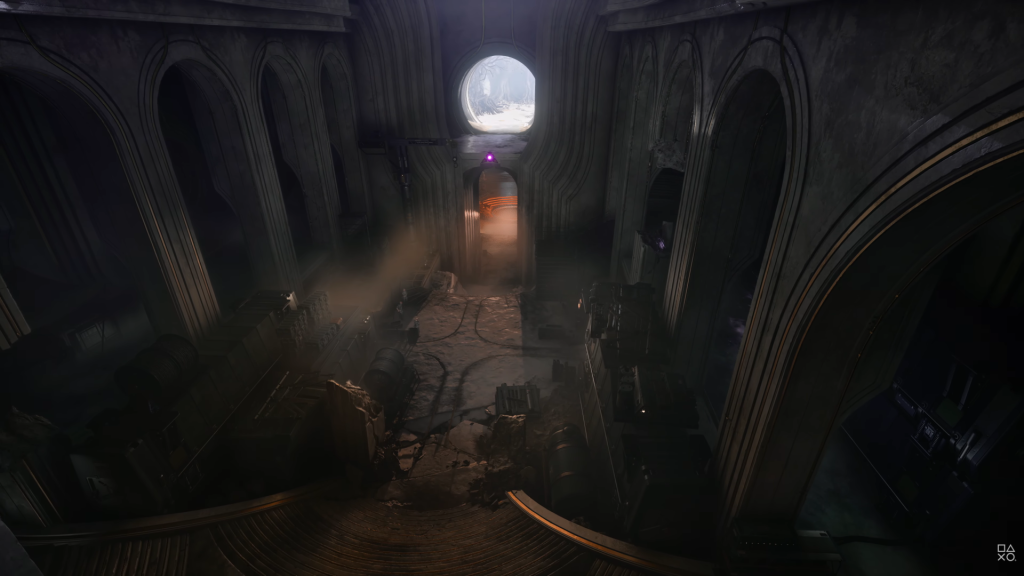
While Saros focuses on structured runs and progression through repeated cycles, games like Crimson Desert expand this into a full open-world RPG with large-scale exploration and dynamic systems.
How Progression Works in Saros
Progression in Saros is split into two systems:
1. Run Progress
- Weapons found during a run
- Temporary buffs
- Healing items
- Short-term upgrades
2. Permanent Progress
- Shield upgrades
- Dash cooldown reductions
- Resource bonuses
- Unlockable systems
Key Rule
Winning runs depends more on permanent upgrades than in-run performance.
Best Beginner Mindset
1. Survival = Progress
Unlike traditional shooters, damage is not the win condition.
Staying alive longer = more upgrades = stronger account.
2. Dash is your primary defensive system
Not a movement tool. Not optional.
It is your core survival resource.
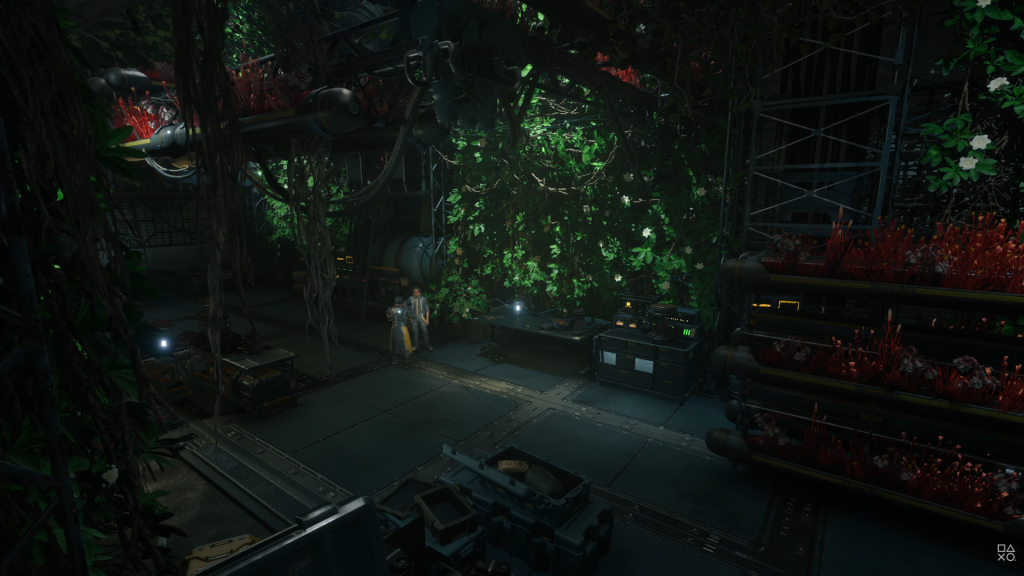
3. Every run has one goal
Early game runs are not about clearing—they are about:
- Unlocking survivability upgrades
- Learning enemy timing
- Increasing resource gain efficiency
Real Upgrade Priority System
Tier 1 — Must Unlock First
These define whether your run survives past early floors:
- Shield Capacity I & II → prevents early death spirals
- Dash Cooldown Reduction I → increases escape frequency
- Healing Efficiency Upgrade → converts mistakes into recoverable damage
- Resource Gain Boost → accelerates permanent progression
Without these, bosses become inconsistent.
Tier 2 — Stability Upgrades
Unlocked once you consistently survive early stages:
- Weapon recoil reduction
- Ability cooldown reduction
- Energy regeneration upgrades
- Minor movement speed boosts
These improve fight control and consistency, not raw power.
Tier 3 — Damage Scaling
Only effective once survival is stable:
- Crit chance increases
- Fire rate boosts
- Raw damage multipliers
Damage without survival leads to short runs.
Combat System
Core Combat Loop
- Enter engagement range
- Fire in controlled bursts (not full auto spam)
- Reposition immediately
- Wait for enemy attack animation
- Re-engage safely
Positioning Rule
- Mid-range = optimal zone
- Enough space to react
- Enough accuracy for consistent hits
- Safe dash escape window
Bullet Hell Rule
When screen pressure increases:
- Stop attacking
- Focus entirely on movement lanes
- Use dash only through gaps, not into open space
- Circle enemies instead of backing straight away
For a more strategy-focused experience, Pokémon Champions centers entirely on turn-based battles and team optimization rather than action-based combat.
FIRST BOSS STRATEGY
This is where most beginners fail—so this section is intentionally detailed.
Recommended Preparation
Before entering the first boss fight:
- Shield upgraded at least 2 times
- Dash cooldown reduction unlocked
- One consistent mid-range weapon
- At least one healing or recovery upgrade
- Comfortable surviving mid-stage rooms
If you enter without this, you are underprepared.
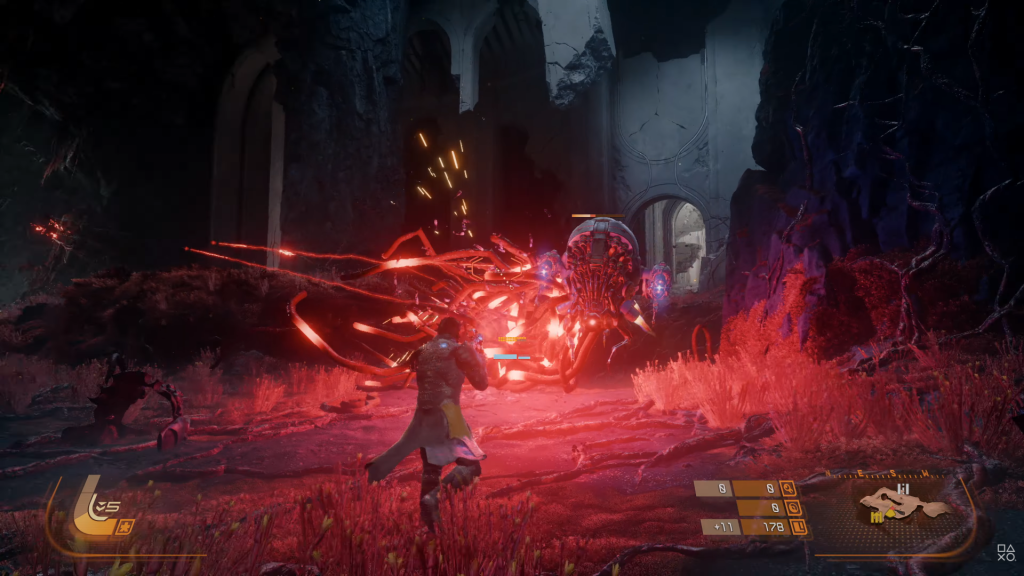
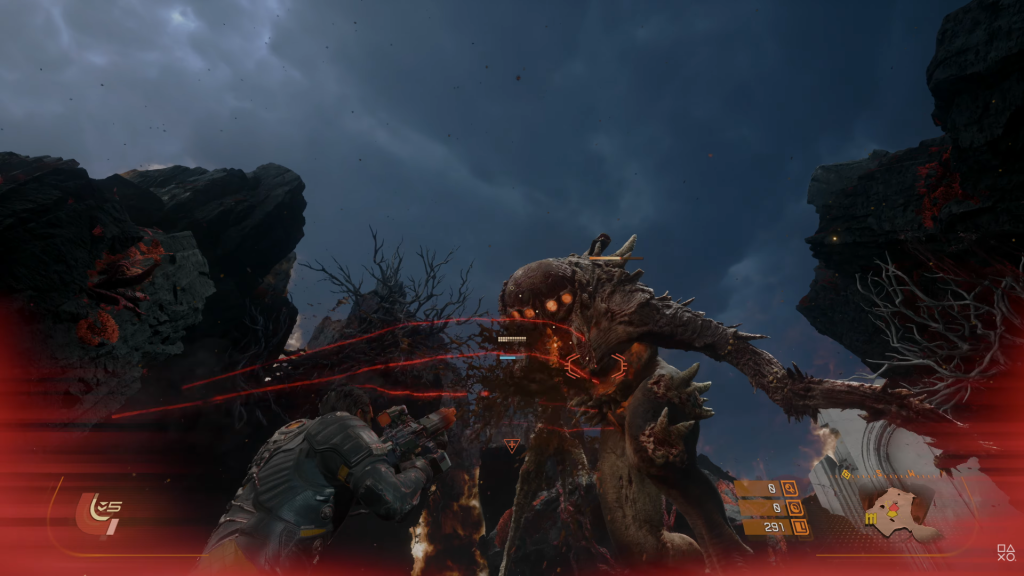
Boss Fight Structure
Most early bosses in Saros follow 3-phase logic:
Phase 1 — Pattern Introduction
Behavior:
- Slow, readable attacks
- Wide but predictable projectile spreads
- Long wind-up animations
Strategy:
- Stay mid-range
- Focus on learning attack timing
- Attack only during safe windows
- Save dash for emergencies only
Goal: pattern recognition, not damage
Phase 2 — Pressure Increase
Behavior:
- Faster attack frequency
- Reduced safe windows
- Mixed projectile angles
- Occasional arena denial attacks
Strategy:
- Reduce aggression
- Prioritize movement over DPS
- Rotate clockwise or counterclockwise around arena
- Use dash only for unavoidable overlaps
Goal: survival consistency
Phase 3 — Burst Aggression
Behavior:
- High bullet density
- Short recovery windows
- Chain attacks with minimal downtime
Strategy:
- Stop full aggression entirely
- Play reactively
- Only attack after major ability cycles
- Use dash strictly for gap crossing
Goal: outlast the boss, not out-damage it
Biggest First Boss Mistake
Trying to “finish quickly” with aggressive damage.
Saros bosses are designed to punish greed, not slow play.
Beginner Upgrade Path
Runs 1–3
- Unlock shield upgrades
- Learn dash timing
- Avoid optional high-risk rooms
Runs 4–6
- Start upgrading dash cooldown
- Test weapon types
- Introduce optional paths selectively
Runs 7+
- Begin boss attempts
- Optimize build consistency
- Focus on survival routing efficiency
Path Selection System
Safe Path
- Low enemy density
- Lower rewards
- Ideal for learning mechanics
Risk Path
- Higher difficulty enemies
- Better upgrade currency
- Only take when survival upgrades exist
Puzzle/Challenge Path
- Bonus progression items
- Requires stable build
- High reward but inconsistent safety
For a more story-driven action-adventure experience, Kena: Scars of Kosmora combines combat, exploration, and narrative progression in a structured world.
Common Beginner Mistakes
- Entering boss fights under-upgraded
- Overusing dash offensively
- Ignoring shield upgrades
- Taking damage upgrades too early
- Standing still during bullet patterns
FAQ
Is Saros hard for beginners?
Yes. Difficulty comes from pattern recognition, not mechanics complexity.
When will Saros be released?
Saros releases on April 30, 2026 for PlayStation 5.
What is the best beginner strategy?
Survival-focused builds with dash cooldown reduction and shield upgrades.
When should I fight the first boss?
After unlocking basic shield + dash upgrades and surviving mid-stage encounters comfortably.
Is damage important early?
Not as important as survival and consistency.
#Related Articles
– Crimson Desert Complete Guide
– Assassin’s Creed Black Flag Resynced Walkthrough
– Tides of Tomorrow Walkthrough