Kena: Scars of Kosmora doesn’t really test how fast you can react—it tests how well you can read a system that slowly reveals itself as you play. At first glance, everything feels familiar: light combat, environmental puzzles, and a steady sense of exploration. But beneath that surface is a design built around interconnected mechanics that quietly decide how far you can actually progress.
What most players miss is that success here isn’t tied to one “strong build” or a single overpowered ability. Instead, progress depends on how you balance control, movement, and companion mechanics while learning to treat the environment itself as part of the combat loop. The game rarely tells you this directly—you’re expected to notice it through repetition, failure, and small shifts in how encounters behave.
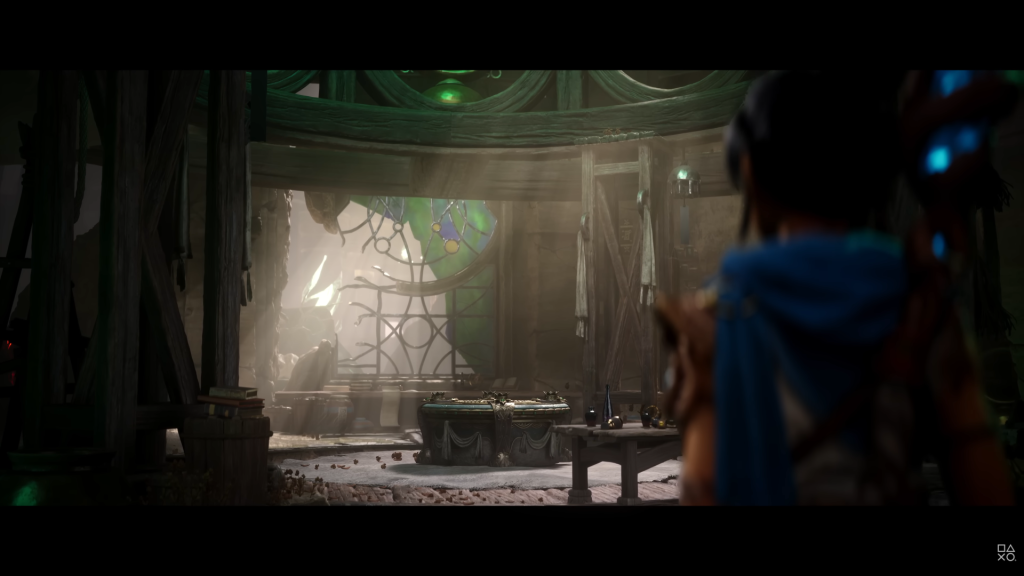
This guide is based on systems analysis, early gameplay expectations, and confirmed mechanics from Kena: Bridge of Spirits.
Since full final data for Scars of Kosmora is not publicly verified, boss names and late-game specifics are presented as archetype-based, system-accurate predictions, not official confirmations.
While Tides of Tomorrow focuses heavily on branching narrative decisions and shared-world storytelling, this game balances story with combat, exploration, and character progression.
Why Most Guides Fail This Game
Most players approach Kena-style games like a combat RPG.
That’s the first mistake.
This series is built around:
- Ability-driven world progression
- Utility-based combat scaling
- Puzzle gating through mechanics (not story)
- Resource-controlled ability usage (Rot system logic)
This means:
“Raw damage builds feel strong early… then collapse later.”
1. Core Systems
System Structure
Ability Scaling
Abilities do NOT scale equally.
- Damage upgrades = early power spikes
- Utility upgrades = long-term progression stability
- Control mechanics = boss + crowd dominance
Companion System
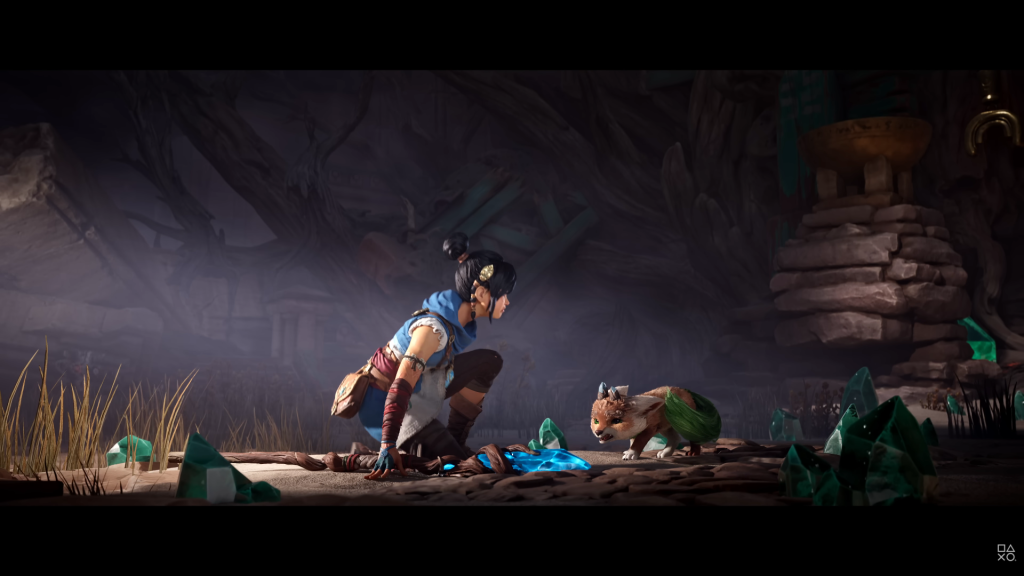
The companion system (Rot-style mechanics) is the true progression engine:
- Enables environmental interaction
- Unlocks combat control tools
- Acts as puzzle key + combat resource
Core Rule:
If Rot usage is weak → progression becomes harder regardless of skill
Resource Limitation System
Most abilities are not spam-based.
Instead:
- Limited-use energy (focus/courage style system)
- Recharge windows
- Timing-based execution
Result:
Skill is not reaction speed—it is resource planning.
2. Upgrade Logic
| Upgrade Type | Early Game | Mid Game | Late Game | Value Rating |
|---|---|---|---|---|
| Raw Damage | High | Medium | Low | Declines |
| Crowd Control | Medium | High | High | Essential |
| Mobility | High | High | Medium | Core |
| Rot/Companion Power | Medium | Very High | Very High | Highest Value |
Priority Rule
Upgrade order should always be:
- Companion / Rot enhancement
- Control abilities (stun, slow, AoE disruption)
- Mobility tools
- Damage last
3. Puzzle System
Even though puzzles look different, they follow repeatable logic patterns:
Pattern 1: Activation Chain Logic
Trigger → Change Environment → Unlock Path
Used for:
- Doors
- Shrines
- Spirit barriers
For a larger open-world RPG experience, Fable (2026 reboot) focuses on player choice, exploration, and a reactive world shaped by decisions.
Pattern 2: Ability Gating
If nothing reacts → wrong ability
This is intentional design:
- Each puzzle tests a specific unlocked mechanic
- Missing tools = soft progression block
Pattern 3: Environmental Transformation Loop
Common cycle:
- Growth (create path)
- Purify (remove corruption)
- Traverse (movement phase)
Puzzle Rule
If the environment doesn’t respond strongly, you are missing either:
- the correct ability
- or the correct sequence
4. Combat System
Combat in this style of game is not random action—it is structured loops.
Standard Combat Loop
- Apply control (Rot / stun / bind equivalent)
- Break enemy formation (AoE or stagger)
- Use ranged pressure (bow-style mechanic)
- Reposition using mobility
- Repeat under resource constraints
While this game blends melee combat with elemental abilities, Saros delivers a much faster-paced roguelike experience focused on ranged combat, dodging patterns, and repeated progression loops.
Key Insight
Enemies are designed to punish:
- standing still
- overcommitting damage
- ignoring crowd control
5. Boss System
These are system-faithful boss models, not final confirmed names.
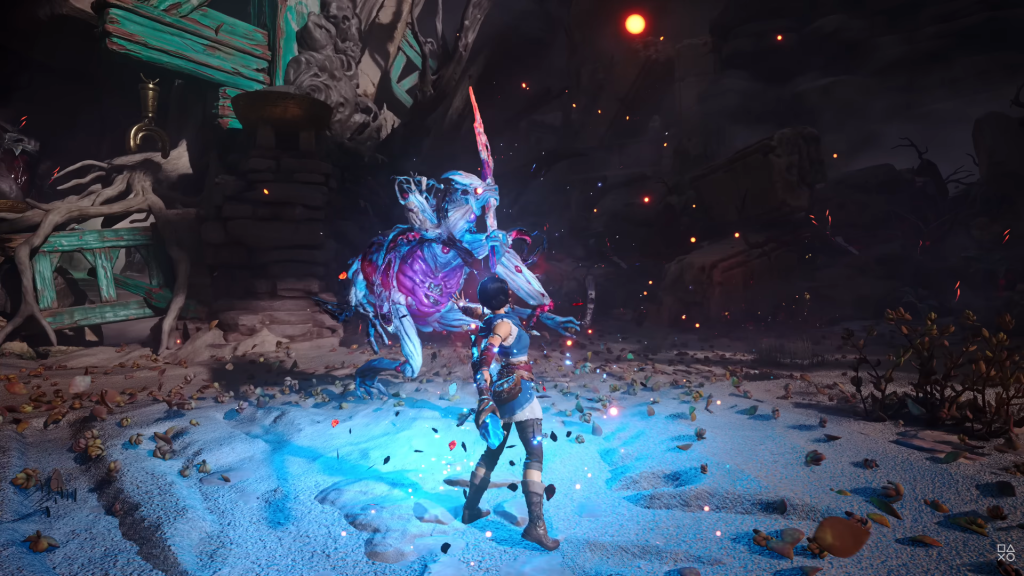
Boss Archetype: Corrupted Spirit Guardian
Behavior Pattern:
- Multi-phase combat escalation
- Area denial attacks
- Summoned adds during mid-phase
- Weak window exposure after ability cycles
Winning Strategy
- Clear summoned enemies first
- Use control abilities to reduce chaos
- Wait for post-attack recovery windows
- Punish during downtime, not during aggression
Common Failures
- Pure DPS rushing
- Ignoring adds
- Burning mobility early
- Panic healing/resource waste
Boss Design Insight
These bosses are not “mechanical skill checks.”
They are:
“Resource management + timing discipline checks”
6. Example Puzzle Walkthrough
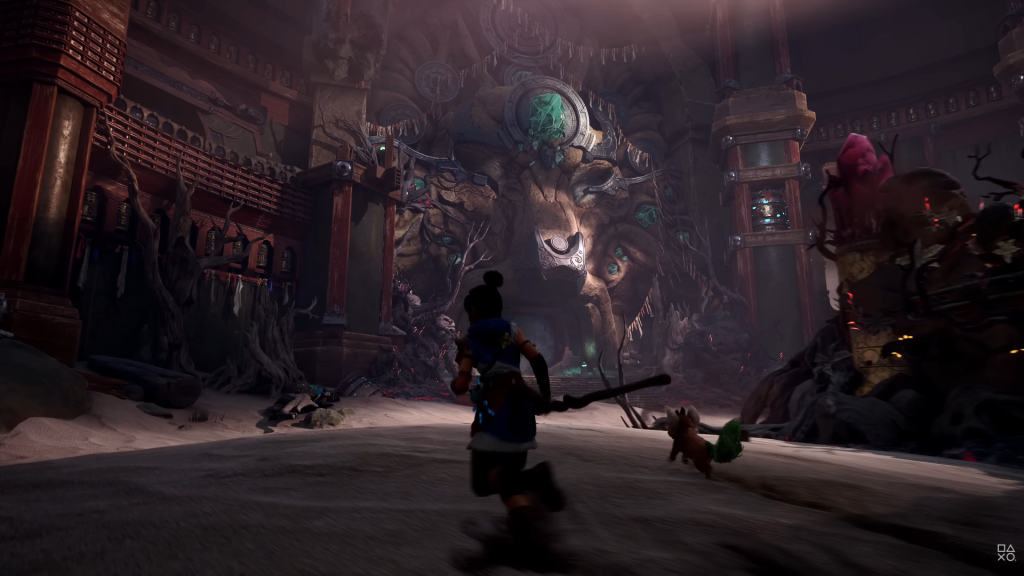
Shrine Gate Puzzle
Objective:
Restore access to a sealed spirit gate.
Step 1:
Use growth/creation ability
→ opens environmental platform
Step 2:
Activate first mechanism
→ triggers partial gate response
Step 3:
Use cleansing ability
→ removes corruption barrier
Step 4:
Use mobility tool
→ reach elevated activation node
Step 5:
Complete remaining activation points
→ unlock final seal
Why Players Get Stuck
Because they:
- attempt partial toolkit solutions
- ignore environmental transformation logic
- assume puzzles are linear instead of layered
7. Optimal Progression Strategy
Recommended Route
- Unlock 2–3 Rot/companion upgrades early
- Prioritize exploration over combat grinding
- Focus on utility > damage progression
- Revisit earlier zones after new ability unlocks
Core Principle
Progression is gated by abilities, not difficulty.
FAQ
What is the best early upgrade?
Companion/Rot abilities and mobility tools provide the highest long-term value.
Why does difficulty spike mid-game?
Because damage-focused builds fall off when control systems become required.
Are puzzles skill-based or logic-based?
They are logic-gated and ability-dependent, not reflex-based.
What’s the safest build type?
A control-focused hybrid build using Rot + mobility synergy.
What causes most player failures?
Ignoring utility systems and over-investing in raw damage.
What is the release date of Kena: Scars of Kosmora?
The game is confirmed to release in 2026, but no exact day or month has been announced yet.
Official sources only state a general 2026 launch window for PS5 and PC
#Related Articles
– Saros Beginner Guide
– The Occultist Complete Guide
– Tides of Tomorrow Walkthrough