The Blood of Dawnwalker is a dark fantasy RPG centered on a newly transformed vampire navigating a world shaped by time pressure, morality, and survival. The reveal material suggests a dual-state protagonist — human by day and predator by night — with abilities, narrative direction, and world reactions evolving over time.
Key ideas suggested by footage and teaser:
- Day vs night gameplay shifts
- Moral corruption vs resistance
- Time-sensitive narrative progression
- Predator-style traversal and combat
- Consequence-driven story structure
Most importantly, time appears to move forward regardless of player actions, implying a reactive world that evolves without waiting.
If you’re interested in upcoming narrative-driven RPGs, you can also check out our 007 First Light gameplay analysis, which explores another story-focused experience with structured systems and cinematic design.
Trailer Breakdown
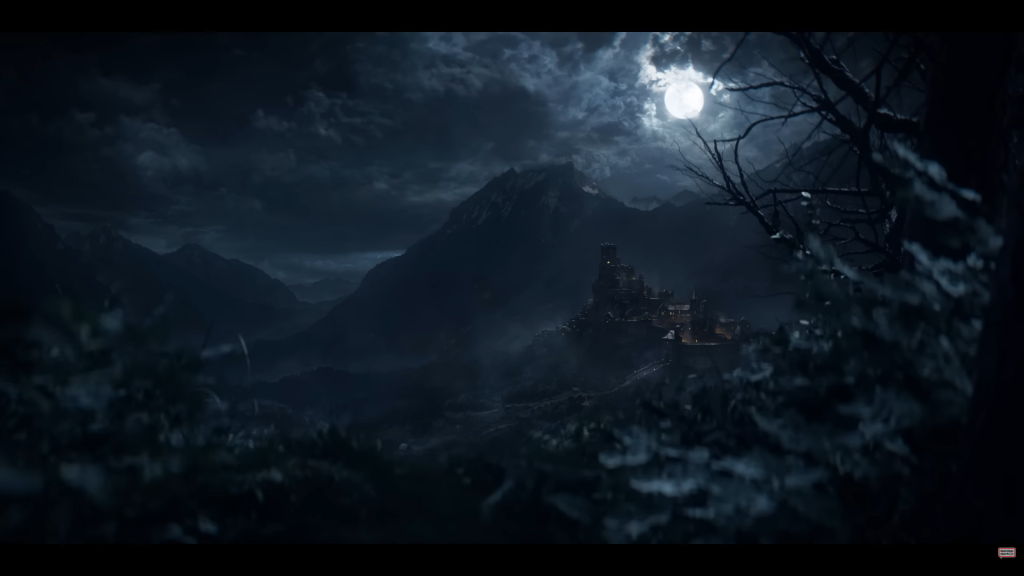
Oppressive Medieval World
Ruined settlements, smoke-filled skies, and fleeing civilians establish tone.
Confirmed
- Dark medieval setting
- Civilian population
- Crisis-driven atmosphere
Implication
- World instability
- Narrative-driven exploration
- Non-heroic tone
Vampire Speed Execution
The protagonist lunges forward at unnatural speed and instantly kills an enemy.
Visible On Screen
- Enemy cannot react before impact
- Motion blur during dash
- Instant execution animation
- Camera tightens during kill
What This Suggests
- Ability-triggered dash
- Context-sensitive execution system
- Cinematic finisher mechanic
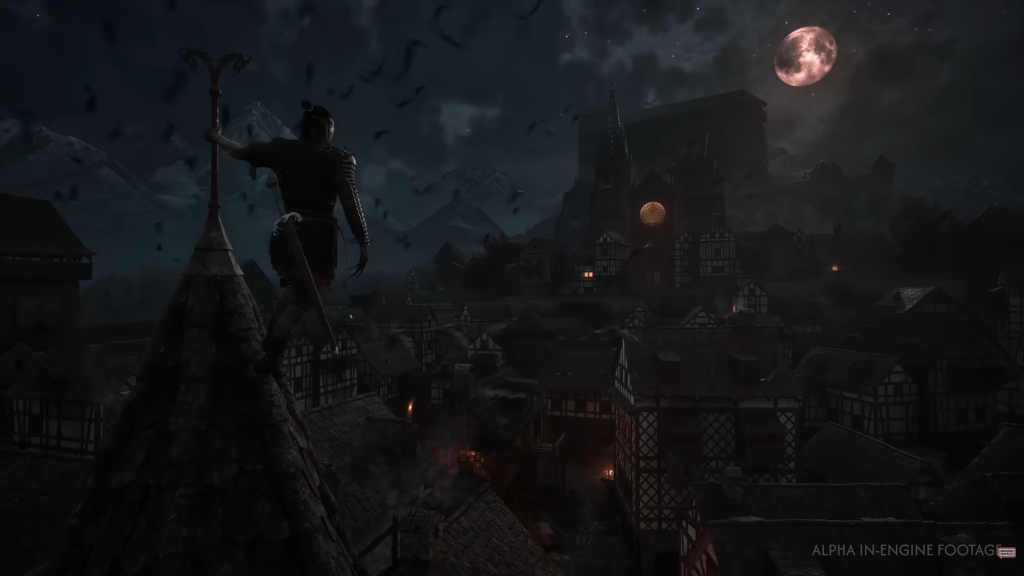
Rooftop Predator Movement
The character traverses rooftops while tracking targets below.
Confirmed
- Vertical traversal
- Stalking posture
- Height advantage positioning
Strongly Suggested
- Stealth-focused gameplay
- Hunting loop design
- Assassin-style movement
Guarded City Environment
Dense town with civilians and armed patrols.
Confirmed
- Populated settlements
- Guard patrols
- Multi-layer environments
Gameplay Implications
- Social stealth
- Risk-based feeding
- Faction-controlled zones
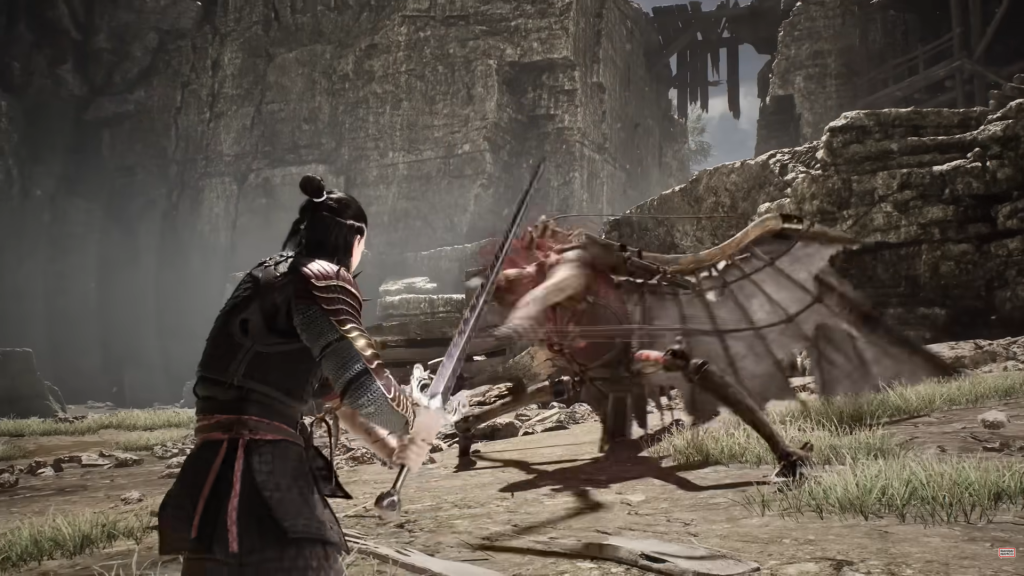
Heavy Execution Combat
Close-range melee with cinematic finishing blow.
Visible Elements
- Stagger before execution
- Slow-motion finisher
- Heavy sword impact
Combat Implication
- Stagger-based executions
- Animation-driven combat
- Close-range aggression
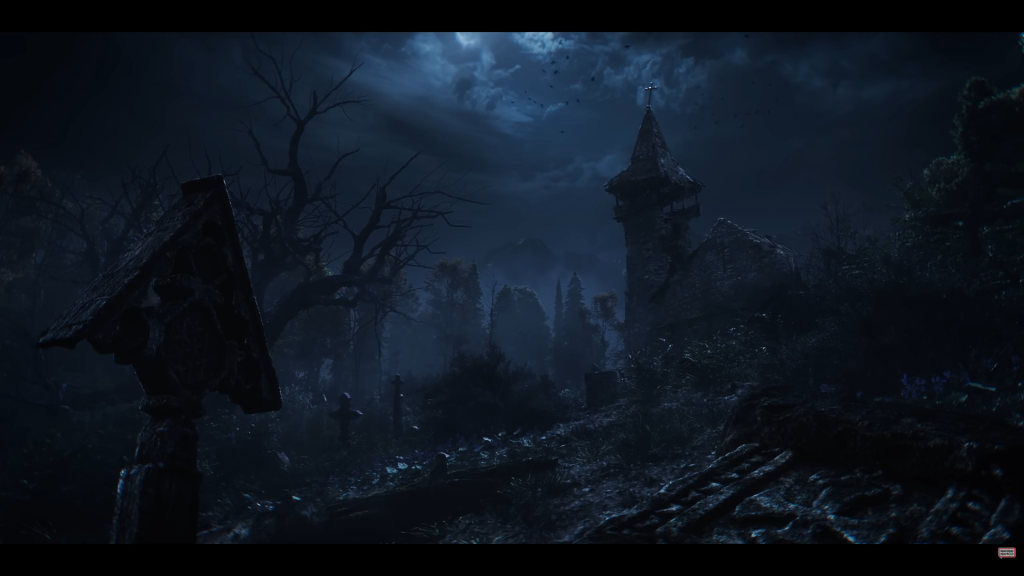
Night Predator Hunt
The protagonist hunts civilians in darkness.
Confirmed
- Nighttime advantage
- Silent approach
- Instant lethal attack
Strongly Suggested
- Feeding mechanics
- Morality choices
- Night gameplay loop
Story Teaser Breakdown
The teaser focuses on a cursed protagonist losing control over transformation.
Narrative clues:
- Newly turned vampire
- Humans fear transformation
- Time pressure influences survival
- Identity shaped by player choices
The line:
“You cannot stop what you are becoming.”
This implies progressive transformation mechanics affecting both gameplay and story.
Story Direction — Humanity vs Blood
The narrative appears structured around:
- Losing humanity over time
- Feeding vs resisting
- Saving vs exploiting humans
- Power vs morality
The protagonist is trapped between:
- Human identity
- Vampire instincts
- Survival pressure
- Player-driven decisions
This suggests a branching character arc, not a fixed hero journey.
Core Gameplay Loop
The gameplay structure appears to be:
Explore → Investigate → Hunt → Choose → Consequences → World Changes
This supports:
- Narrative branching
- Resource management (blood/time)
- Reactive NPC behavior
- Morality-based progression
Time functions as a gameplay resource, not just world simulation.
Day vs Night System
Daytime
- Limited abilities
- Dialogue interactions
- Investigation focus
- Exploration emphasis
Nighttime
- Vampire powers unlocked
- Predator movement
- Hunting mechanics
- Combat advantage
This creates two gameplay styles in one character.
Combat System Breakdown
Melee Combat
- Sword-focused fighting
- Close-range engagements
- Heavy impact animations
- Execution finishers
Vampire Abilities
- Super speed bursts
- Enhanced strength
- Predator movement
- Brutal takedowns
Combat Philosophy
- Aggressive encounters
- Fast kills
- Risk vs reward
- Animation-driven finishers
Vampire Progression Tree Theory (Trailer-Based)
The footage suggests vampirism evolves through behavior-driven progression rather than a traditional skill tree.
Predator Path — Full Vampire
Focus on power and aggression.
Likely abilities:
- Dash executions
- Fear-based reactions
- Blood drain healing
- Enhanced traversal
Evidence:
- Brutal takedowns
- Hunting civilians
- Aggressive combat pacing
Shadow Path — Stealth Vampire
Focus on hunting without detection.
Likely abilities:
- Silent traversal
- Darkness camouflage
- Stealth feeding
- Backstab bonuses
Evidence:
- Rooftop stalking
- Night positioning
- Target observation
Humanity Path — Resist the Curse
Focus on maintaining control.
Likely abilities:
- Reduced blood dependency
- Daytime resistance
- Dialogue options
- Controlled transformations
Narrative evidence suggests resisting transformation changes outcomes.
While this game explores dark fantasy themes, Control Resonant takes a more sci-fi supernatural approach to storytelling and world-building.
Progression Resource — Blood vs Humanity
The system likely revolves around two opposing forces:
Blood → Unlocks power
Humanity → Unlocks narrative control
This creates:
- Power vs morality decisions
- Different playstyles
- Story-driven builds
- Multiple endings
Transformation Stages Theory
Possible evolution structure:
Stage 1 — Newly Turned
Limited control
Stage 2 — Emerging Predator
Speed and strength unlocked
Stage 3 — Dominant Vampire
Execution abilities
Stage 4 — Monstrous Form (Speculative)
Maximum power, story consequences
This implies visible character evolution tied to player behavior.
Developer Background — Rebel Wolves
The game is developed by Rebel Wolves, a studio focused on narrative-driven RPGs.
Design implications:
- Story-first gameplay
- Player choice emphasis
- Consequence-driven structure
- Cinematic presentation
This supports the transformation-based RPG direction.
The Blood of Dawnwalker vs Witcher 3
Core Concept
Witcher 3
Monster hunter protagonist
Quest-driven structure
Dawnwalker
Vampire protagonist
Transformation-driven narrative
Key Difference
Witcher = hunting monsters
Dawnwalker = becoming one
Combat Comparison
Witcher 3
Preparation-focused
Signs and potions
Slower pacing
Dawnwalker
Superhuman movement
Execution combat
Aggressive encounters
Compared to fast-paced action titles like Phantom Blade Zero, this game focuses more on strategic decision-making, time management, and character progression.
Narrative Structure
Witcher 3
Epic branching story
Quest-driven progression
Dawnwalker
Time-driven urgency
Character transformation focus
Confirmed vs Speculation
Confirmed
- Dark fantasy setting
- Vampire protagonist
- Action RPG combat
- Cinematic presentation
- Narrative-driven design
Strongly Suggested
- Day/night gameplay
- Feeding mechanics
- Morality system
- Multiple endings
- Reactive world
Not Confirmed
- Open world size
- Companions
- Skill tree structure
- Romance options
- Multiplayer
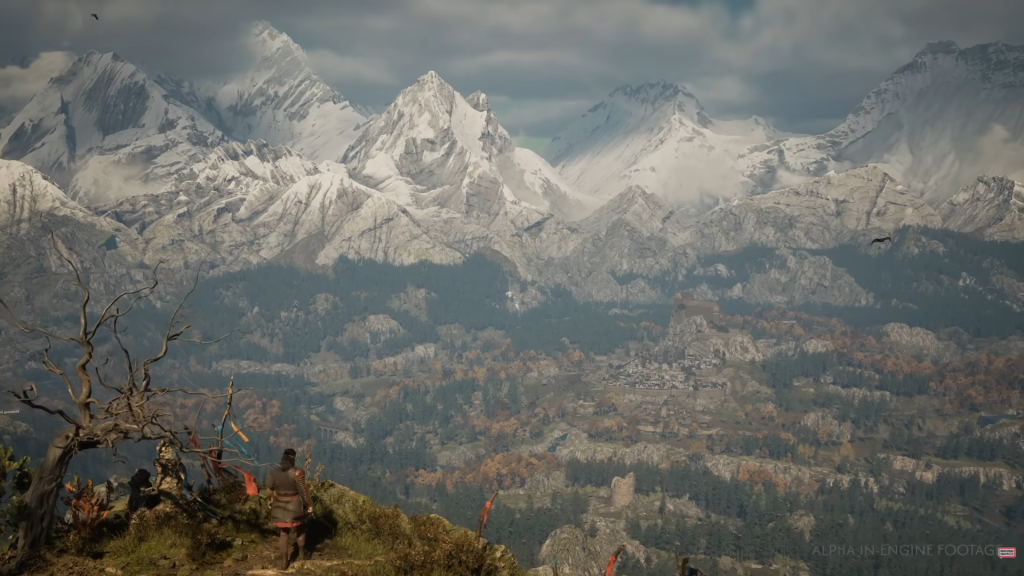
World Structure
The footage suggests:
- Dense towns
- Wilderness areas
- Vertical exploration
- Guard-controlled cities
This implies narrative-focused regions, not a massive empty world.
Key mechanics implied by footage
- Time as gameplay pressure
- Dual-state protagonist design
- Morality affecting abilities
- Predator traversal loop
- Transformation-based progression
- Feeding as resource system
- Character evolution gameplay
This positions the game as a time-driven transformation RPG.
FAQ
What is The Blood of Dawnwalker?
A dark fantasy RPG about a newly turned vampire navigating moral choices and time-driven narrative progression.
Is it similar to Witcher 3?
It shares narrative depth but focuses more on transformation mechanics and predator gameplay.
Is the game open world?
The trailer suggests region-based exploration, but full open world is not confirmed.
Does the game have day and night gameplay?
The footage strongly suggests night unlocks vampire abilities.
Can you become evil?
The narrative appears built around moral corruption and player choice.
When is the release date?
The Blood of Dawnwalker is scheduled for release in 2026
Final Analysis
The Blood of Dawnwalker appears to be a dark fantasy RPG built around transformation, time pressure, and moral choice, with gameplay shifting between human vulnerability and vampire dominance.
If the systems suggested by the trailer are accurate, the game may feature:
- Dual gameplay states
- Transformation-based progression
- Morality-driven abilities
- Predator-style exploration
- Reactive narrative structure
This positions it closer to a character evolution RPG rather than a traditional open-world fantasy game.
#Related Articles
– 007 First Light Gameplay Analysis
– Phantom Blade Zero Year of the Snake Breakdown
– The Devil in Me Gameplay Guide
– Necrophosis Full Consciousness Breakdown