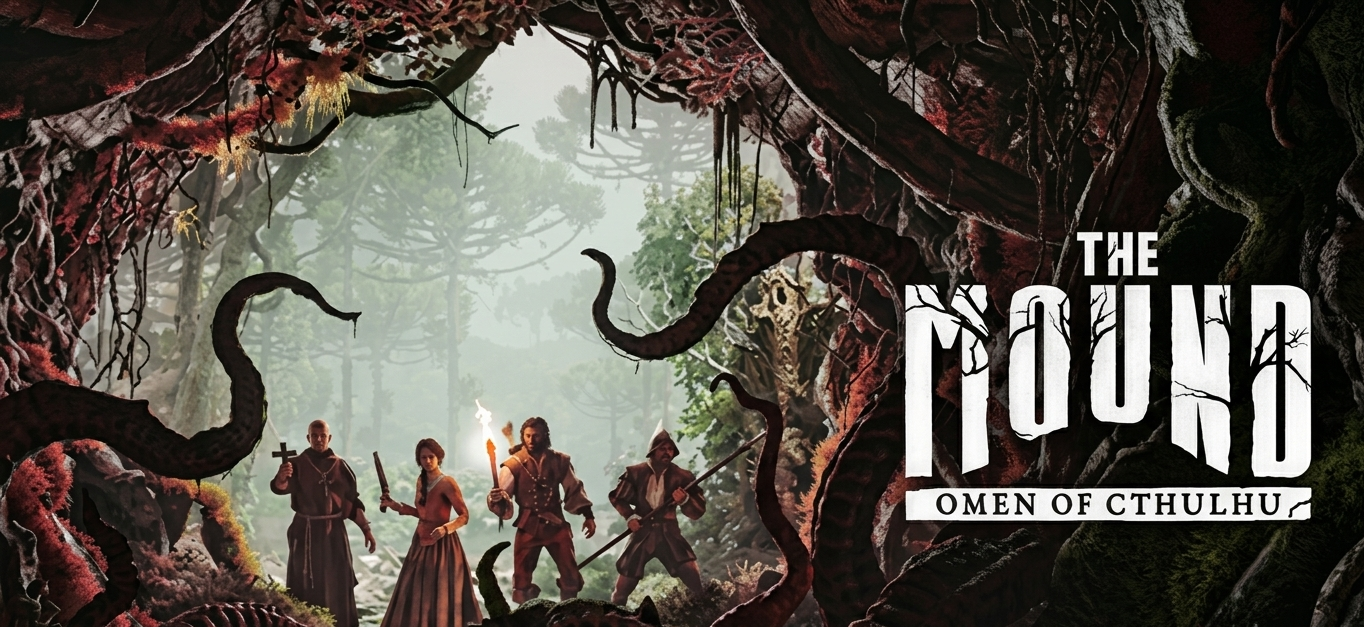
If you’ve been searching for a co-op horror game that treats Lovecraftian terror as more than window dressing, The Mound: Omen of Cthulhu deserves your full attention. This four-player cooperative horror experience drops you and up to three friends into a nightmarish investigation where sanity is a resource, trust erodes under pressure, and the eldritch horrors lurking beneath the surface don’t care how prepared you think you are. Unlike most multiplayer horror titles that lean on jump scares and chase sequences, The Mound roots its gameplay in dread — the slow, atmospheric kind that Lovecraft himself built entire mythologies around.
Here’s everything we know about the game so far, from core mechanics to what separates it from every other co-op horror title on the market.
What Is The Mound: Omen of Cthulhu?
The Mound: Omen of Cthulhu is a cooperative horror game designed for up to four players, drawing heavily from H.P. Lovecraft’s Cthulhu Mythos. Players take on the roles of investigators drawn to a remote and deeply unsettling location — a mound that serves as a nexus point for otherworldly forces. The game blends survival horror mechanics with investigative gameplay, requiring players to uncover clues, manage dwindling resources, and confront manifestations of cosmic horror that go far beyond conventional monsters.
What makes it distinctive is its commitment to psychological horror over action horror. The Mound isn’t a game where you grab a shotgun and blast creatures. It’s a game where you read a journal entry, realize what it means, and feel the weight of that knowledge settle into your chest. The co-op element amplifies this — sharing that dread with other players creates a dynamic that single-player Lovecraftian games have never quite captured.
Core Gameplay Mechanics and Features
Sanity and Stress Systems
Central to The Mound: Omen of Cthulhu is a layered sanity system that affects each player differently. Exposure to eldritch phenomena, reading forbidden texts, and even witnessing certain environmental details chip away at your investigator’s mental state. As sanity degrades, players experience unreliable perception — visual distortions, phantom audio cues, and interface elements that may or may not be telling the truth.
This isn’t cosmetic. A player deep in sanity loss might see a doorway that doesn’t exist, hear whispers that lead them away from the group, or misidentify a teammate as a threat. The genius of this system is that it makes communication between players unreliable, which is exactly the kind of paranoia Lovecraftian horror demands.
Investigative Exploration
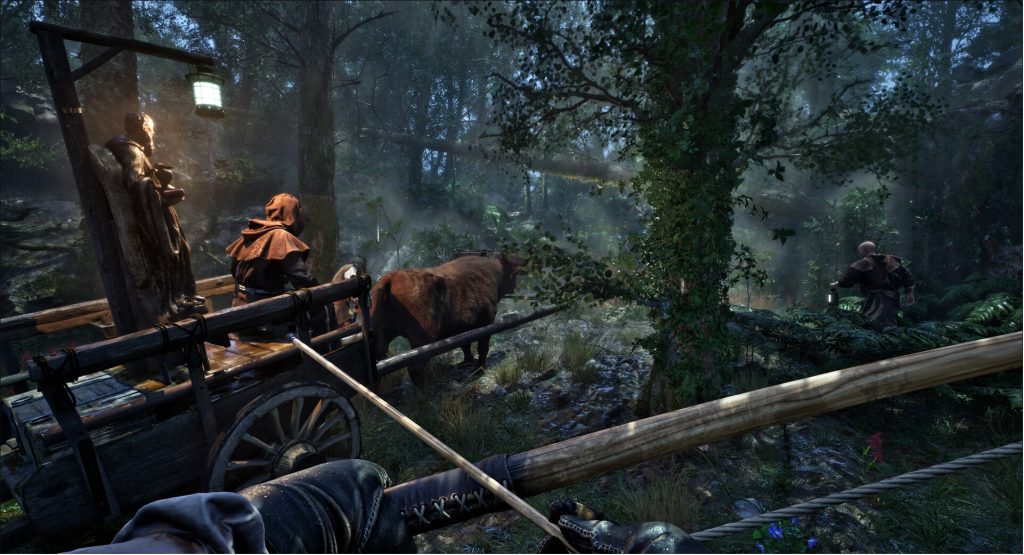
Rather than funneling players down linear corridors, The Mound uses a semi-open investigation structure. Each session presents a mystery tied to the mound and the forces beneath it. Players must search for physical clues, decipher codes, piece together fragmented lore, and make decisions about which leads to follow. The game rewards methodical exploration and punishes recklessness — rushing into unknown spaces without preparation often triggers encounters that drain sanity far faster than careful investigation.
Environments are procedurally influenced, meaning that while the core narrative beats remain consistent, the specific layout of rooms, placement of clues, and timing of encounters shift between sessions. This keeps repeat playthroughs tense even for experienced groups.
Four-Player Co-Op Design
The four-player co-op in The Mound: Omen of Cthulhu isn’t an afterthought bolted onto a single-player framework. The game is architected from the ground up for cooperative play. Each investigator brings a distinct background and skill set — an academic, a journalist, a veteran, and a medium, for example — that shapes how they interact with the environment and the horrors within it.
Certain puzzles require coordination between multiple players. Some clues only become legible when two investigators combine their findings. And critically, the game scales its horror to the number of players present, so a full four-player squad faces different (not just more) challenges than a duo.
Rituals and Confrontation
Combat in the traditional sense is minimal. Instead, players engage with eldritch forces through ritual mechanics — performing protective wards, disrupting summoning circles, and using found artifacts to banish or contain manifestations. These sequences demand precise timing and coordination, functioning more like high-stakes cooperative puzzles than action set pieces.
Fail a ritual, and the consequences cascade. The mound’s influence spreads, new areas become corrupted, and the sanity cost of simply existing in the environment increases. This creates a genuine sense of escalation that many horror games struggle to maintain past the first act.
How The Mound Compares to Other Co-Op Horror Games
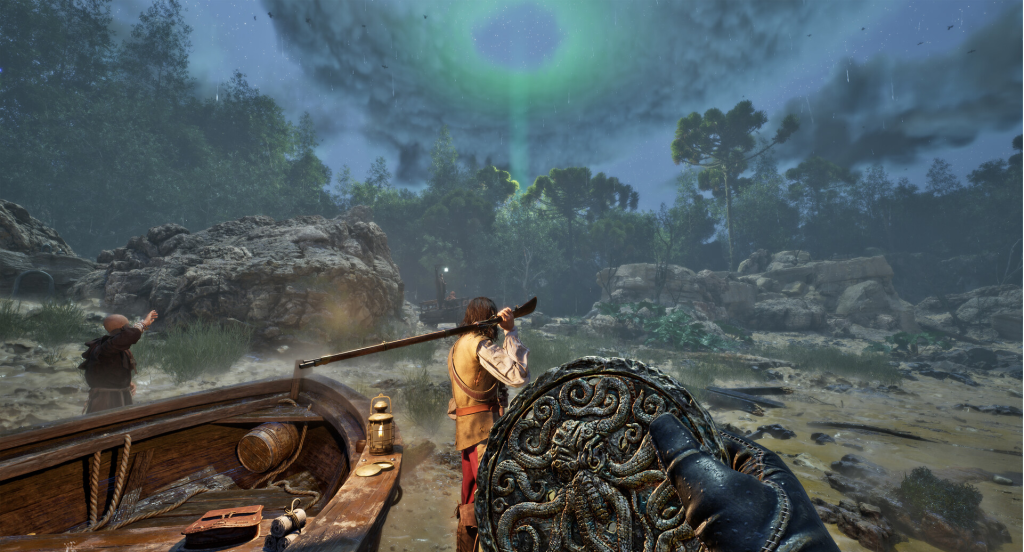
The co-op horror space has grown significantly with titles like Phasmophobia, Lethal Company, and GTFO carving out dedicated audiences. The Mound: Omen of Cthulhu occupies a different niche from all of them.
Phasmophobia focuses on ghost identification through evidence-gathering with a lighter tone and gameplay loop designed for short sessions. Lethal Company blends horror with dark comedy and roguelike mechanics. GTFO leans into tactical shooter territory with horror atmosphere. The Mound sits closer to something like Call of Cthulhu (the tabletop RPG) translated into a real-time cooperative video game — slower, more deliberate, and more invested in narrative weight than moment-to-moment action.
For players who’ve felt that most co-op horror games sacrifice atmosphere for accessibility, The Mound: Omen of Cthulhu is built specifically to fill that gap.
The Lovecraftian Foundation: More Than a Coat of Paint
Plenty of games slap tentacles on a monster and call it Lovecraftian. The Mound goes deeper. The game draws from lesser-known corners of the Cthulhu Mythos, including Lovecraft’s actual short story “The Mound,” which involves a hidden underground civilization and layers of reality that become increasingly alien the further you descend.
This literary grounding gives the game a sense of lore density that’s rare in the genre. Environmental storytelling is layered — a symbol carved into a wall isn’t just decoration but a piece of a larger cosmological puzzle that spans the entire game. For players who appreciate when a horror game rewards curiosity as much as caution, this approach is deeply satisfying.
The writing also navigates the well-documented problems with Lovecraft’s original work by focusing on the cosmic and existential dimensions of the mythology rather than the xenophobic elements that have aged poorly. The result is a game that feels authentically Lovecraftian in theme without inheriting the worst aspects of the source material.
Release Information and Platform Details
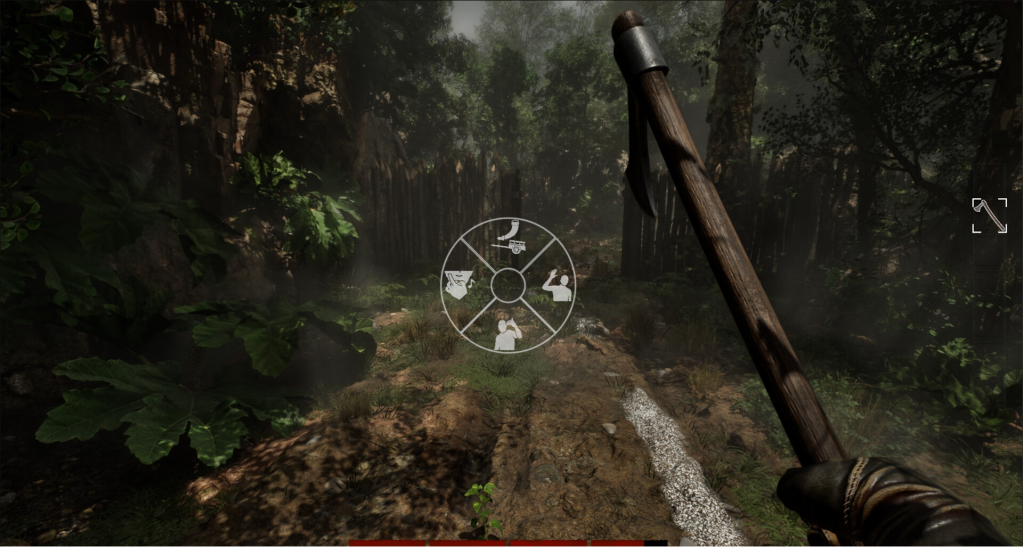
The Mound: Omen of Cthulhu has been building anticipation through a steady stream of development updates and community engagement. The game is being developed for PC (Steam), with console versions under consideration based on community demand.
Players interested in following development progress can wishlist the title on Steam and follow the developers’ official channels for gameplay reveals and beta announcements. Given the current trajectory of the co-op horror genre’s popularity, The Mound is positioned to arrive at a moment when audiences are actively hungry for something more atmospheric and narrative-driven.
What to Expect From a Typical Session
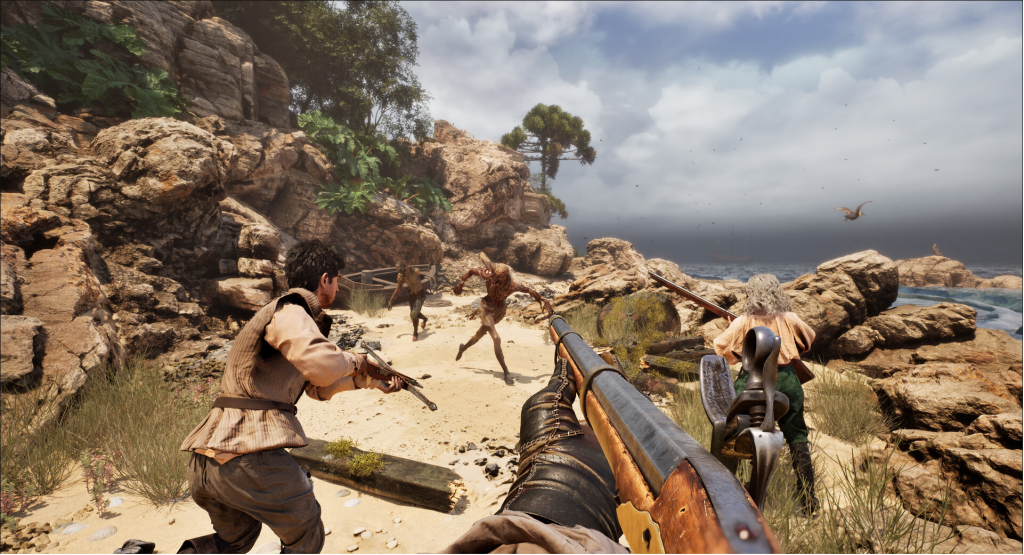
A standard session of The Mound runs approximately 60 to 90 minutes, though this varies based on how thoroughly players investigate and how quickly the horror escalates. Here’s a rough shape of what a four-player session looks like.
Players begin at a staging area where they review their objective, pool resources, and plan their approach. Once they enter the mound’s zone of influence, the atmosphere shifts immediately — lighting changes, ambient sound design intensifies, and the sanity system activates. From there, the group explores, investigates, makes discoveries, and confronts increasingly disturbing manifestations until they either resolve the session’s central mystery or are overwhelmed.
Failed sessions aren’t game-overs in the traditional sense. The narrative continues, but the consequences of failure carry forward, making subsequent sessions harder and the mound’s influence more pervasive. This persistence gives every decision genuine weight.
FAQ
Is The Mound: Omen of Cthulhu playable solo?
The game is designed primarily as a four-player co-op experience, but solo play is supported. Playing alone intensifies the horror significantly since there’s no one to share information with or rely on during ritual sequences. The developers have described solo mode as the game’s “hard mode” — fully functional but deliberately more punishing.
What platforms will The Mound be available on?
PC via Steam is the confirmed primary platform. Console releases for PlayStation and Xbox have been discussed by the development team but haven’t been formally announced. Wishlist it on Steam to stay updated on platform expansion news.
How does The Mound differ from Phasmophobia?
While both are co-op horror games with investigation elements, they serve different appetites. Phasmophobia is built around short, repeatable ghost-hunting sessions with a defined evidence loop. The Mound: Omen of Cthulhu is a longer-form, narrative-driven experience with persistent consequences, deeper lore, and a sanity system that fundamentally alters each player’s perception of the game world.
Does The Mound have replayability?
Yes. Procedurally influenced environments, multiple investigator roles, branching narrative outcomes, and the sanity system’s unpredictable effects on individual players mean that no two sessions play identically. The game is designed to reward multiple playthroughs with new lore discoveries and alternative story paths.
Is The Mound suitable for players new to horror games?
The game includes adjustable intensity settings that allow groups to tune the severity of sanity effects, the frequency of manifestations, and the overall difficulty. While the core experience is designed to be deeply unsettling, these options make it accessible to players who want the Lovecraftian atmosphere without the full psychological intensity.
Final Thoughts: Why The Mound: Omen of Cthulhu Matters
The co-op horror genre has proven it has staying power, but most titles in the space prioritize accessible, repeatable gameplay loops over atmospheric depth. The Mound: Omen of Cthulhu is a deliberate counter to that trend — a game that trusts its players to engage with slow-burn dread, complex lore, and mechanics that make cooperation feel genuinely essential rather than optional.
If you’re the kind of player who wants your horror games to linger in your mind after you close the application, The Mound is built for you. Wishlist it on Steam, rally your squad, and prepare to descend into something that doesn’t let go easily.
#Related Articles
– Above Land: Rhapsody — Gameplay, Weapons, Wobbo & Release Date (2026)
– Amazon Luna July 2026: Claim 9 Free Games Including Steam Award Winner Dispatch — Before It’s Too Late
– The Gaming Industry Declared War on Physical Media — and Sony Just Fired the Biggest Shot