If you searched Remothered: Red Nun’s Legacy, you probably want three things fast: when it launches, what platforms it’s on, and whether it’s worth the wait. This guide answers all of it. Red Nun’s Legacy is the long-awaited third chapter of the Remothered saga and the conclusion to a survival horror story that started back in 2018. Below you’ll find the confirmed release window, the full platform list, a breakdown of the new gameplay mechanics, the story setup, the voice cast, and how it connects to the earlier games—organized so you can jump straight to what you came for.
What Is Remothered: Red Nun’s Legacy?
Remothered: Red Nun’s Legacy is a third-person survival horror game developed and published by Stormind Games, the Italian studio behind the original series and A Quiet Place: The Road Ahead. It serves as Remothered 3, closing the trilogy that began with Tormented Fathers and continued in Broken Porcelain.
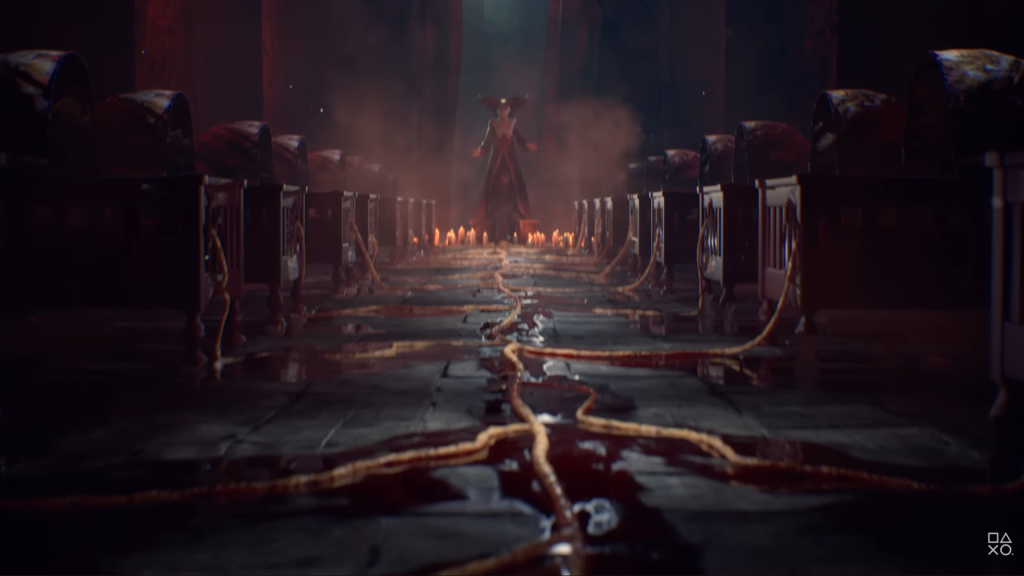
The hook is in the title: this final entry digs into the origin of the series’ signature antagonist, the Red Nun. It’s billed as a love letter to classic survival horror, blending stealth, puzzle-solving, and psychological dread with a distinctly Italian neo-giallo flavor—think the saturated, dreamlike menace of films like Suspiria, built by developers steeped in that tradition.
One important note for newcomers: you don’t need to have played the first two games. Stormind has designed Red Nun’s Legacy as a standalone story, so first-timers can dive in while long-time fans finally get the resolution they’ve waited years for.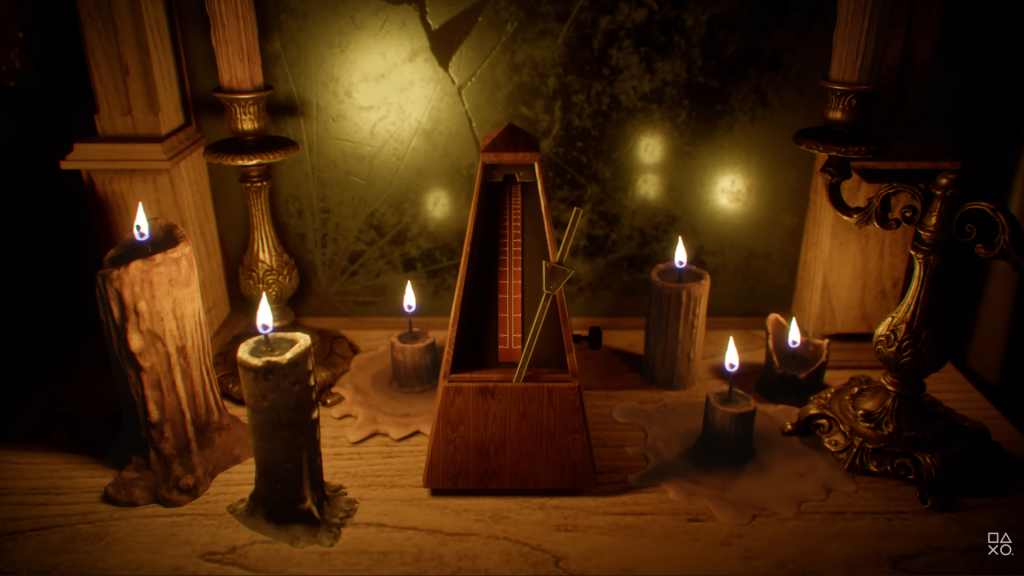
Remothered: Red Nun’s Legacy Release Date and Platforms
Here’s the part most people search for first.
- Release window: 2026 (Stormind is targeting the back half of the year)
- Platforms: PC, PlayStation 5, Xbox Series X|S, and Nintendo Switch 2
- PC storefronts: Steam, Epic Games Store, and GOG
- Physical edition: A Deluxe Edition is planned for PS5 and Switch 2 through Maximum Entertainment across Europe, the Americas, and Oceania
An exact date hasn’t been locked in yet, and pricing is still unannounced. The game was first revealed at the Future Games Show Spring Showcase, with a full gameplay trailer debuting at the PC Gaming Show on June 7, 2026. You can wishlist it now on Steam, Epic, GOG, PlayStation Store, and Xbox to get notified the moment a hard date drops.
For anyone weighing whether to catch up first, this slots neatly into a strong year for the genre alongside other upcoming survival horror games of 2026.

Story: A Mother, a Convent, and the Myth of the Red Nun
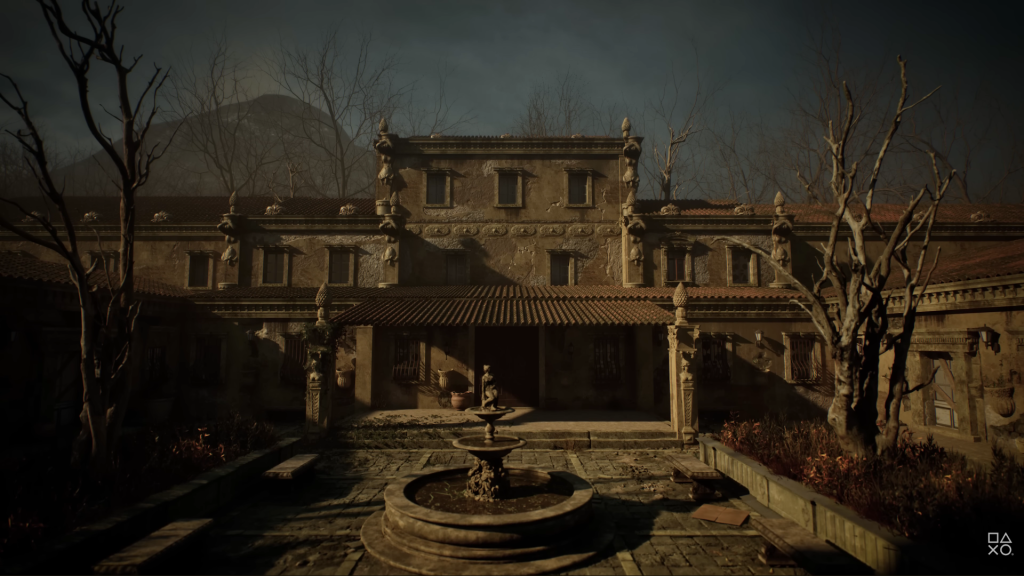
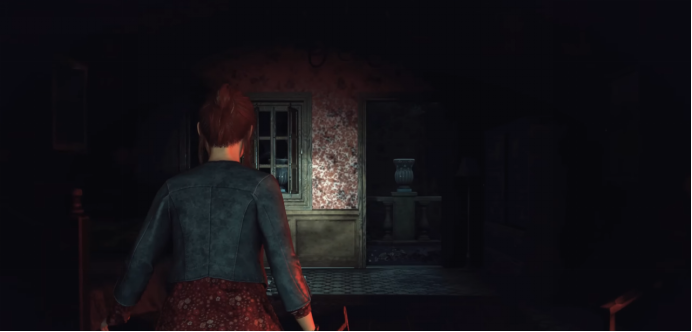
The setup is pure survival horror melodrama, and that’s a compliment. Thirteen months after six young girls vanish in Sicily, a mysterious recording reignites one mother’s hope. Susan, the protagonist, refuses to accept that her daughter is gone and travels to where the nightmare seems to have started: a crumbling noble residence isolated on the slopes of Mount Etna, once owned by the Ashmann family.
What begins as a desperate search becomes a descent into terror tangled up in family secrets, memory, and obsession. As Susan explores, she pieces together the buried history of the Cristo Morente convent—a place of broken faith, guilt, and forbidden ritual where the legend of the Red Nun was born. Reality fractures the deeper she goes, and the truth turns out to be older and stranger than she is.
It’s a tight, character-driven premise that gives the scares somewhere to land. The horror works because the stakes are personal.
Gameplay: Stealth, Stalkers, and Psychic Powers
Mechanically, Red Nun’s Legacy keeps the cat-and-mouse core of the series while adding real tools to your kit. You’ll spend most of your time hiding from and evading relentless Stalkers—unpredictable enemies who hunt you through the villa and force you to adapt on the fly. Sometimes you run. Sometimes you hide. And in rare, desperate moments, you can fight back with limited melee weapons, a notable shift from the near-defenseless tension of earlier entries.
The bigger evolution is a trio of supernatural abilities that turn exploration from passive searching into active investigation:
- Retrocognition – Hear and relive echoes of the past tied to specific objects and places, surfacing forgotten memories and clues.
- Secret in Mirrors – Reveal hidden truths and shatter hypnotic illusions through reflections.
- Moth Manipulation – Command swarms of moths to destroy infested nests and open new routes through the environment.
Layered on top is a hypnosis-driven memory-reading system: interact with the right object and you can expose concealed passages and reframe your understanding of a room entirely. Exploration is central—expect to hunt for key items, solve environmental puzzles, and unlock new areas that feed the central mystery. It’s old-school structure with modern pacing, controls, and production values.
Sound and Cast: A Genre Dream Team
This is where the project flexes hardest. The original soundtrack is composed by Akira Yamaoka, the legendary musician behind the Silent Hill series—arguably the most fitting hire imaginable for atmospheric psychological horror. Fans of his work will recognize the influence on this kind of dread-soaked scoring, the same craft that earns him a spot on any list of the best horror game soundtracks.
The voice cast is just as stacked. Cissy Jones, a BAFTA Games Award winner, voices Susan, while Maggie Robertson—a Game Awards winner celebrated for her commanding villain work—plays the Red Nun herself. That pairing signals serious intent behind the performances.
Where It Fits in the Series (and the Chris Darril Question)
Red Nun’s Legacy is the conclusion of a story that started with Remothered: Tormented Fathers in 2018, the critically embraced debut that put Stormind on the map. If you want the full picture before launch, our Tormented Fathers retrospective walks through why that first entry resonated.
One development detail has drawn attention: this game was made without series creator Chris Darril’s involvement, which sparked discussion among fans about creative credit. Stormind’s CEO publicly addressed it in March 2026, committing to properly credit Darril as the series creator across all Remothered media, and his name was restored on the official site and in promotional material. Whatever your take, the studio has framed the project as an act of respect toward a community that feared the series had been abandoned.
While Lords of the Fallen II: Umbral explores dark fantasy through combat-heavy soulslike gameplay, this experience focuses more on stealth, survival, and psychological tension.
FAQ
When does Remothered: Red Nun’s Legacy come out?
It’s scheduled for a 2026 release, with Stormind Games targeting the latter part of the year. No exact date has been confirmed yet.
What platforms is Remothered: Red Nun’s Legacy on?
PC (Steam, Epic Games Store, GOG), PlayStation 5, Xbox Series X|S, and Nintendo Switch 2. A physical Deluxe Edition is planned for PS5 and Switch 2.
Do I need to play the first two Remothered games?
No. Red Nun’s Legacy is a standalone story, so newcomers can start here, though returning fans will get the trilogy’s payoff.
Who composed the music for Red Nun’s Legacy?
Akira Yamaoka, best known for the Silent Hill soundtracks, composed the original score.
Is Remothered: Red Nun’s Legacy on Game Pass or PS Plus?
As of now, it has not been announced for Xbox Game Pass, PlayStation Plus, or Nintendo Switch Online.
The Bottom Line
Remothered: Red Nun’s Legacy is shaping up to be the most ambitious entry in the series—new psychic mechanics, a personal story rooted in a Sicilian convent’s dark history, a Silent Hill composer on the score, and award-winning voice talent leading the cast, all aimed at a 2026 launch across every major platform. If you love slow-burn, stealth-driven horror with real atmosphere, this one belongs on your radar.
Wishlist Remothered: Red Nun’s Legacy now on your platform of choice so you’re first in line when the release date is confirmed—and if you’ve never touched the series, grab Tormented Fathers and start with the game that began it all.
#Related Articles
– VANRAN (2026)
– Dreadhaus Sonata Guide
– Lords of the Fallen II: Umbral