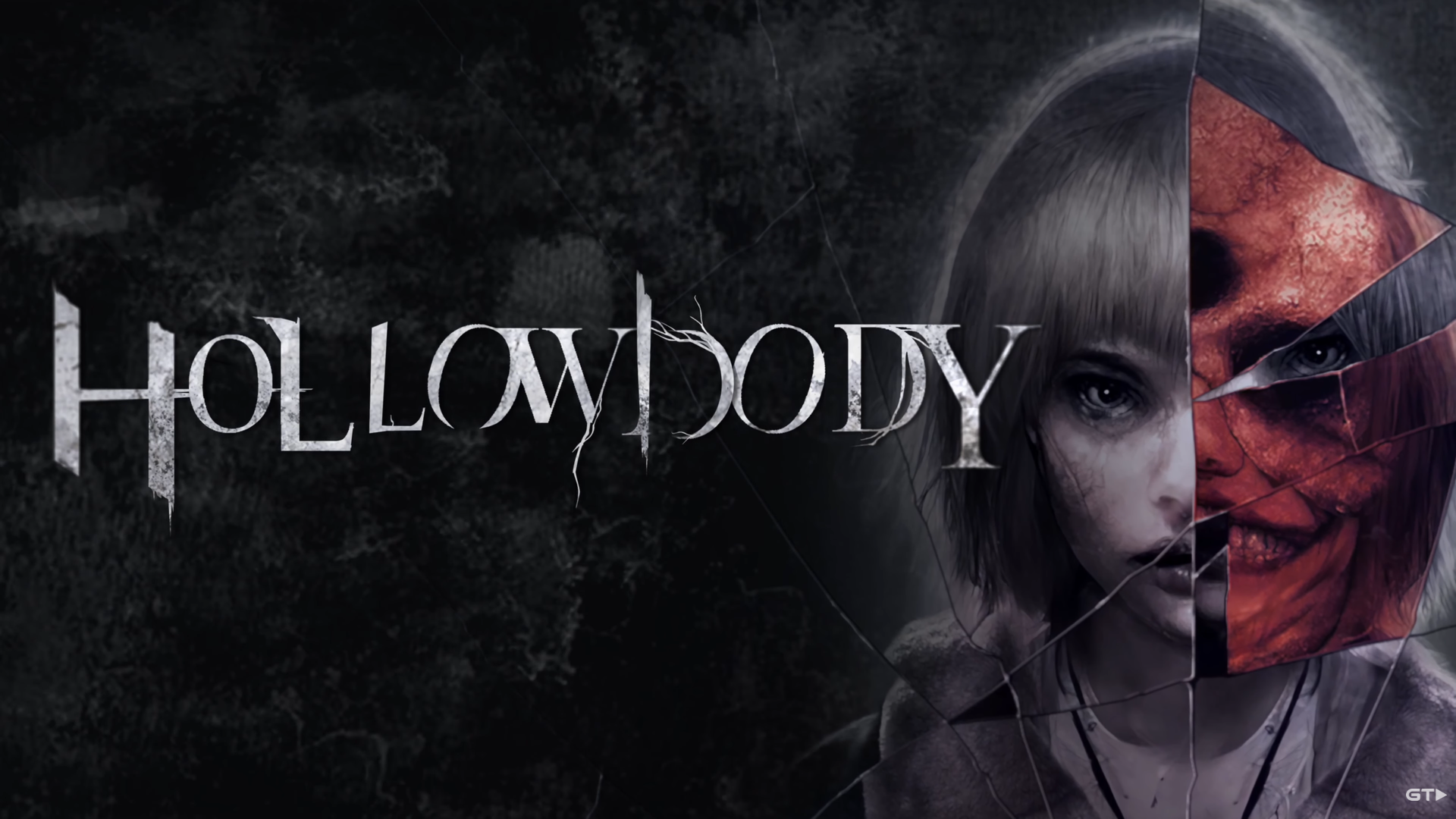
Hollowbody is built around tension: a stranded protagonist, a collapsing zone, limited supplies, and survival systems that punish careless decisions. The official site describes it as a story-driven survival horror game with dynamic and fixed camera angles, logic puzzles, limited combat, voice acting, strong world-building, carefully paced save points, accessibility options, and post-game unlocks.
This guide is built for the questions players actually ask during a first run.

Similar to the oppressive dark fantasy tone of Mortal Shell II, this game builds tension through isolation, limited resources, and disturbing environmental storytelling.
What Is Hollowbody About?
The official story follows Mica, an unlicensed black-market shipper searching for her missing partner, Sasha. Sasha left for the exclusion zone, and after 12 sleepless nights Mica finally gets a chance to fly in, find her, and get out. That plan collapses quickly when the hovercraft loses control and crashes inside the sealed zone.
The setup is simple, but that is exactly why it works:
- one desperate rescue mission,
- one sealed-off city,
- one character under pressure,
- and one environment that seems determined to swallow her whole.
Main Characters in Hollowbody
Mica
Mica is the playable protagonist and the emotional anchor of the story. She is an unlicensed black-market shipper, and her motivation is intensely personal: she is trying to find Sasha before it is too late.
Why Mica matters for players:
- She gives the game a clear rescue goal.
- Her relationship with Sasha drives the story.
- Her role fits the survival horror format because she is not a superhero; she is someone trying to survive a situation that is already out of control.

Sasha
Sasha is Mica’s missing partner and the reason the story begins. The official story frames Sasha as the person who went looking for answers inside the exclusion zone.
Why Sasha matters:
- She is the emotional mystery at the center of the game.
- Her disappearance gives the narrative momentum.
- She turns the story from “escape the zone” into “find out what happened.”
Tax
Tax is the contact who helps Mica get a short window into the zone by arranging clearance through a border-security contact. He is part of the opening setup and functions as a crucial story enabler.
Why Tax matters:
- He is the bridge between Mica and the exclusion zone.
- He gives the story its entry point.
- He reinforces the game’s noir tone by making everything feel transactional, risky, and unstable.
Story Explained — What Hollowbody Is Really Doing
The game is set in a sealed exclusion zone created after a collapse, with towering walls and a decayed urban landscape. The official description frames the area as twenty miles of death and decay, and Mica must fight through it while searching for Sasha and an escape route beyond the wall.
That setup does a lot of work for the player:
- it explains why exploration matters,
- why resources are scarce,
- why the atmosphere is oppressive,
- and why every detour feels dangerous.
The story is not just background. It shapes the gameplay. In a game like this, every note, hallway, locked door, and broken route can matter because the plot is built around discovery and survival rather than constant action.
Combat in Hollowbody — What to Expect
Combat in Hollowbody is intentionally limited. The official site says the game focuses on logic puzzles, resource management, and limited combat, which tells you a lot about the intended rhythm: think, conserve, and fight only when necessary.
What this means in practice
- Combat is not the main solution to every problem.
- Ammo and health should be treated as strategic resources.
- Avoiding fights is often smarter than winning them.
- Your biggest advantage is not aggression; it is discipline.

What Happened on My First Run
During my first full playthrough, I made the classic survival-horror mistake: I treated the opening district like a combat tutorial instead of a resource test.
By the time I reached the transit-sector checkpoint, I had:
- only 9 handgun rounds left
- one healing item remaining
- no safe backup if the next encounter went wrong
On my second run, I skipped two optional enemy encounters and entered the same section with:
- 23 handgun rounds
- three healing items
- enough resources for the next mandatory fight
That changed the entire pacing of the run.
Real lesson: Hollowbody rewards avoidance more than aggression. If an enemy is not blocking progress, preserving ammo usually creates a stronger mid-game position.
Best combat mindset for a first playthrough
Treat every encounter as a cost. Ask:
- Is this fight mandatory?
- Can I route around it?
- Can I use less ammunition?
- Is this enemy worth the resource loss?
That style fits the game’s stated design and helps preserve supplies for sections that matter more.
Puzzles, Exploration, and Resource Management
The official description emphasizes environmental puzzles, limited resources, and exploration. That means puzzle-solving is not a side activity; it is part of the core loop.
What players need to understand
The best Hollowbody guides do not just tell you how to solve a puzzle. They explain:
- why the puzzle exists,
- what clue you were supposed to notice,
- and how the game expects you to think.
That matters because players get stuck when they copy solutions without understanding the logic.

Resource management matters because:
- supplies are limited,
- save points are carefully paced,
- and the game is designed to keep tension high without wasting the player’s time.
That combination makes Hollowbody ideal for long-tail searches like:
- “Hollowbody puzzle solutions”
- “Hollowbody best combat strategy”
- “Hollowbody how to save ammo”
- “Hollowbody how to progress”
- “Hollowbody missables”
Like The Sinking City 2, this experience focuses heavily on survival horror mechanics, exploration, and maintaining tension through atmosphere rather than nonstop combat.
The Puzzle Mistake Most Players Make
One of my longest early delays came from treating an environmental puzzle like a combination lock instead of a logic puzzle.
In the industrial maintenance section, I spent nearly 12 minutes backtracking before realizing the actual clue was sitting in a nearby maintenance log I had walked past twice.
After replaying the section, the puzzle took less than two minutes.
What Hollowbody teaches early:
- clues are usually nearby
- environmental storytelling often doubles as puzzle design
- brute forcing usually wastes resources and time
If a puzzle feels random, stop and re-check the environment before trying combinations.
First Playthrough Mistakes You Can’t Afford to Make
1. Treating combat like the main solution
The game clearly does not want you to brute-force every situation. Combat is limited and resources matter, so fighting everything is usually a waste.
2. Ignoring the clue behind the puzzle
Players often rush to answers. The stronger move is to read the environment first and solve the logic, not just the lock.
3. Burning supplies too early
Because resources are limited, early waste can create a problem several areas later. That is exactly the kind of pressure survival horror uses to create stakes.
4. Skipping exploration
The game is built around atmospheric discovery. Missing a room or note may mean missing story context or a key route forward.

5. Saving too casually
The official site specifically mentions carefully paced save points. That usually means you should treat saves as part of your strategy, not just a convenience.
6. Assuming every problem can be solved with force
This is a puzzle-forward survival horror game, not a combat-first shooter.
7. Rushing the atmosphere
The world-building is part of the gameplay. Slow down enough to notice the environmental story because that is where a lot of the game’s value sits.
8. Ignoring accessibility options
The official site says accessibility options are available for players who prefer exploration over combat, which is useful if you want a less punishing first run.
9. Exploring Too Fast
On my first run, I pushed through the residential sector without fully checking side rooms because I assumed progression mattered more than exploration.
Unlike the vibrant urban fantasy world of Ananta, this game presents a bleak cyberpunk setting built around decay, isolation, and psychological horror.
Why Hollowbody Stands Out From Other Survival Horror Games
Hollowbody as a tech-noir survival horror short story with multiple endings, while the studio describes it as a compact, focused experience rather than a huge open-world game.
What makes that useful for players:
- It is story-driven, so narrative searches matter.
- It is puzzle-heavy, so solution searches matter.
- It uses limited combat, so strategy searches matter.
- It includes multiple endings, so choice and ending searches matter.
That combination creates a strong content opportunity because players tend to search for every part of the loop, not just one mechanic.
Best First Playthrough Tips
Use this order of priority:
- Learn the map.
- Read every clue.
- Save resources.
- Avoid unnecessary fights.
- Solve puzzles before forcing progress.
- Pay attention to story context.
Why this works
The game is built around tension, so the safest and smartest playstyle is usually the one that is slow, deliberate, and observant. The official design supports that approach through its save system, exploration focus, and limited combat.
FAQ
What is Hollowbody?
Hollowbody is a tech-noir survival horror game by Headware Games, set in a decayed British exclusion zone where you solve puzzles, manage resources, and fight to escape beyond the wall.
Who do you play as in Hollowbody?
You play as Mica, an unlicensed black-market shipper searching for her missing partner, Sasha.
Is Hollowbody combat-heavy?
No. The official description emphasizes limited combat alongside puzzles and resource management.
Does Hollowbody have multiple endings?
Yes. The Steam tags for the game include Multiple Endings.
When was Hollowbody released?
It was released on 12 September 2024.
While the console versions for PlayStation 5 and Xbox Series X|S are launching in June 2026.
Is Hollowbody good for players who prefer exploration?
Yes. The official site says the game includes accessibility options for players who prefer exploration over combat.
#Related Articles
– Mortal Shell II Guide (2026)
– The Sinking City 2 First Playthrough Guide
– Ananta Game Guide