Beast of Reincarnation is shaping up to be one of the most intriguing action RPGs in development, not because it reinvents fantasy storytelling, but because it blends dual-character combat design, spiritual progression systems, and decision-driven battle flow into a single interconnected loop.
What makes the game especially interesting from a gameplay-analysis perspective is that most previews don’t describe it as a simple action RPG. Instead, it behaves like a system-driven combat ecosystem, where every mechanic feeds into another—yet almost no existing guide explains how that system actually works in practice.
This guide breaks everything down clearly: story structure, characters, combat mechanics, progression systems, and build logic—in a way that is easy to understand and optimized for real gameplay decision-making.
While Beast of Reincarnation builds its world around survival and transformation mechanics, larger RPGs like Fable (2026 reboot) focus more on player choice and how decisions shape the world and its characters.
World & Story Overview
The world of Beast of Reincarnation is centered around a collapsing natural order where corrupted spiritual entities—often referred to as Nushi beasts—disrupt balance across regions.
Rather than presenting a linear “hero saves the world” structure, the narrative appears to follow a journey-based progression system, where defeating major beasts restores fragments of the world’s stability.
Core narrative themes:
- Rebirth through conflict
- Human–spirit coexistence
- Nature corrupted by imbalance
- Emotional bond between survival and sacrifice
Instead of cutscene-heavy storytelling, much of the narrative is expected to unfold through environmental progression and boss encounters, meaning gameplay and story are tightly connected.
Main Characters & Roles
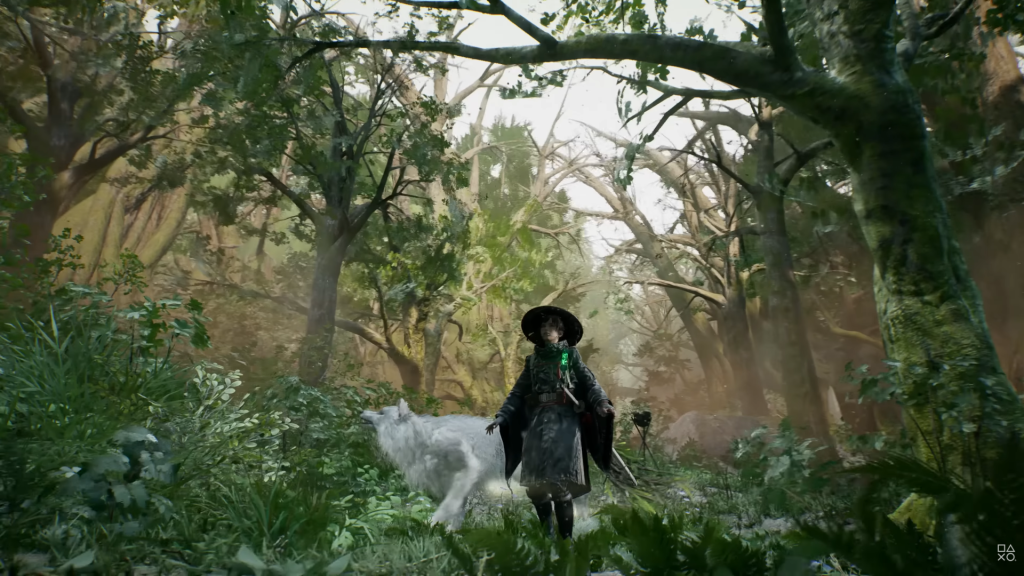
Emma (Playable Warrior)
Emma is the primary combat character and serves as the player’s direct control point in battle.
Her role focuses on:
- Melee combat and positioning
- Parry-based defense mechanics
- Resource generation through engagement
- Direct interaction with enemies
Emma is not just a damage dealer—she is the core engine of the entire combat system.
Koo (Spiritual Companion)
Koo acts as a companion entity that supports Emma in combat through command-based actions.
His role includes:
- Offensive support attacks
- Utility actions during combat flow
- Triggering synergy effects
- Enhancing combo potential
Unlike traditional AI companions, Koo appears to be part of a controlled dual-character system, where timing commands is critical rather than optional.
For a more structured, squad-based combat experience, Gears of War: E-Day (2026) focuses on tactical shooting and coordinated gameplay.
Core Combat System Explained
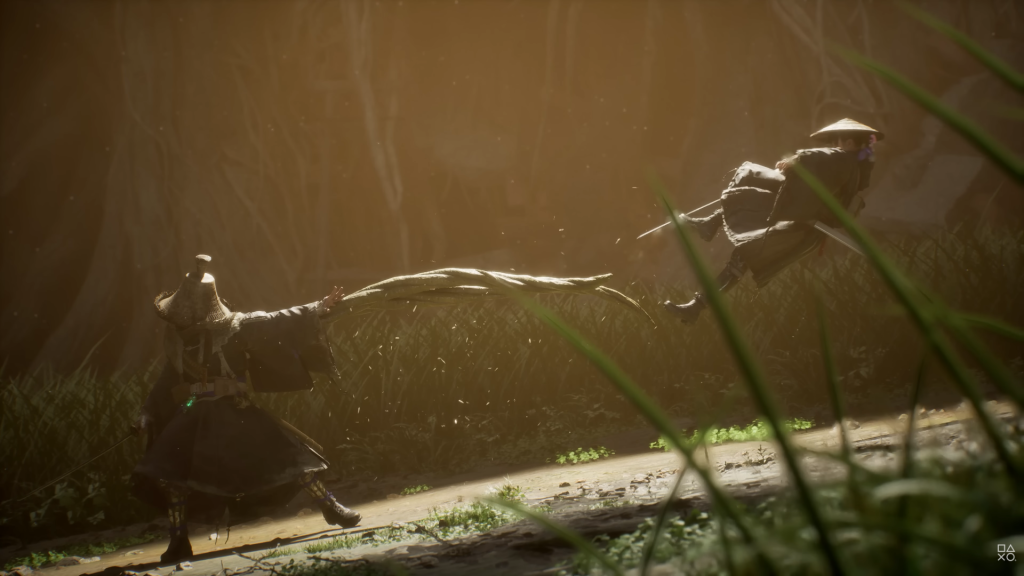
The combat in Beast of Reincarnation is not simple action chaining. It is built around a three-layer interaction loop:
Combat Flow Loop
- Emma engages enemies (attack + defense)
- Parries and actions generate energy/resource
- Koo commands become available
- Koo executes support or burst actions
- Spirit effects activate (buffs / damage modifiers)
- Enemy state changes (stagger / vulnerability window)
This loop repeats continuously, creating a rhythm-based combat structure.
Parry System
Parrying is not just defensive—it functions as a resource generator.
Key role of parry:
- Builds combat momentum
- Enables Koo command frequency
- Triggers Spirit Stone effects
- Creates enemy vulnerability windows
This makes parrying less about survival and more about combat economy control.
Koo Command System
Koo is not passive AI support.
Instead, he operates on a command timing system, where the player decides:
- When to activate support
- What type of assistance is needed
- How to chain abilities into combos
This creates a decision layer during combat:
“Do I use Koo now for damage, or save him for a stagger window?”
Spirit Stones System
Spirit Stones act as modular upgrades that modify combat behavior.
They may influence:
- Parry rewards
- Koo effectiveness
- Passive buffs
- Trigger-based effects
Instead of simple stat boosts, Spirit Stones function as combat behavior modifiers, shaping how your entire build plays.
Progression System
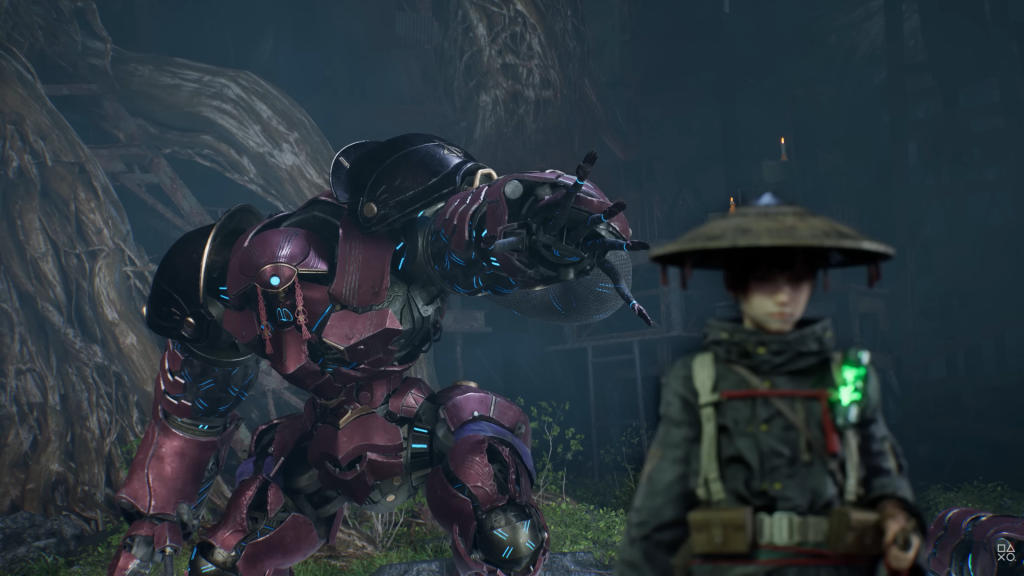
Progression is tied to defeating major entities (often referred to as Nushi encounters) and unlocking new regions or abilities.
Expected progression structure:
- Explore region
- Encounter Nushi boss
- Defeat boss → unlock ability/upgrade
- Modify build via Spirit Stones
- Enter next region with stronger enemies
This creates a loop-based progression system, rather than a purely linear story path.
Build System
Even though full release systems are not confirmed, current design direction suggests three emerging archetypes:
1. Parry-Focused Build
- High defensive timing reliance
- Fast resource generation
- Frequent Koo activation
2. Koo-Centric Build
- Focus on command chaining
- High burst damage windows
- Strategic cooldown management
3. Hybrid Flow Build
- Balanced offense and defense
- Flexible combat adaptation
- Best for exploration and boss variety
What Makes This Game Different
Most action RPGs separate combat, companions, and progression.
Beast of Reincarnation appears to merge them into one system:
- Combat generates resources
- Resources unlock companion actions
- Companion actions modify combat outcomes
- Outcomes affect progression
This is why the game feels less like a traditional RPG and more like a self-reinforcing gameplay loop system.
While this game introduces transformation-based mechanics, titles like Adorable Adventures explore environmental interaction through unique systems such as scent tracking.
FAQ
Is Beast of Reincarnation a Soulslike?
It shares elements like timing-based combat and boss encounters, but it is not strictly a Soulslike. It leans more toward system-driven action RPG design.
Do you need to master parrying?
Parrying appears to be highly important, but the system is designed so multiple playstyles may exist depending on build choices.
Is Koo mandatory in combat?
Yes—Koo is part of the core design loop rather than an optional companion system.
Is the game open world?
Current previews suggest region-based exploration rather than a fully seamless open world.
When will Beast of Reincarnation release?
Beast of Reincarnation is scheduled to release on August 4, 2026.
Final Takeaway
The real strength of Beast of Reincarnation is not its story alone—it’s how tightly its systems are interconnected.
If executed well, the game’s combat loop (Emma → Parry → Koo → Spirit Stones → progression) could become its defining identity.
#Related Articles
– Fable (2026) Analysis
– Kena: Scars of Kosmora Guide
– Adorable Adventures Scent System Explained