If you searched for a Hogwarts Legacy 2 teaser, you’re almost certainly chasing the same question thousands of Harry Potter fans are asking right now: was that cryptic clip on the official account the real thing, or just clever bait? The short answer is that Avalanche Software may have dropped its first unofficial-but-official tease — and then went quiet through a summer of showcases where everyone expected a full reveal.
Below is the clearest, most up-to-date breakdown of what was actually shown, why fans are convinced it counts as the first teaser, and where the Hogwarts Legacy sequel stands as of June 2026.
Similar to action-focused titles like MOOSA: Dirty Fate, this sequel is expected to expand combat systems significantly, though through magic-based abilities rather than melee-focused swordplay.
What Was the “First” Hogwarts Legacy 2 Teaser?
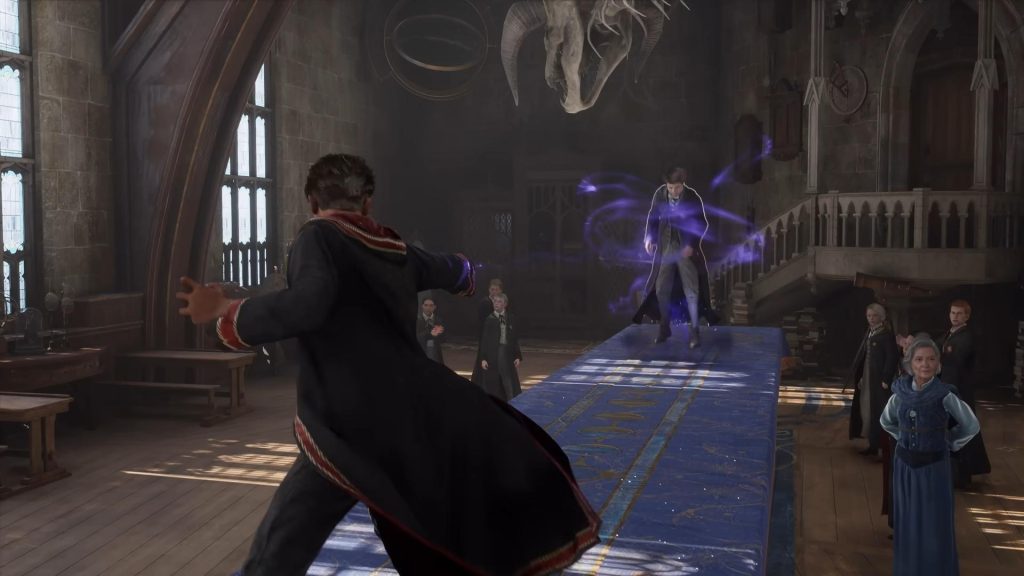
On May 5, 2026, the official Hogwarts Legacy account posted a roughly 37-second montage of footage with the caption: Ancient Magic is not something to be trifled with. On its own, that sounds like routine marketing. In context, it was anything but.
Here’s why it set the fandom off:
- The account had gone dark. The post was the first piece of footage shared in roughly seven months, breaking a long stretch of silence.
- The framing felt deliberate. “Ancient Magic” is the central plot engine of the original game — exactly the thread a sequel would pick up.
- The timing lined up. It landed just weeks before a wave of summer 2026 showcases where a reveal was widely expected.
So while it technically reused clips from the first game, fans treated it as the first Hogwarts Legacy 2 teaser in spirit — a “we’re still here, and the story isn’t over” signal. Unsurprisingly, reactions split hard. Some called it a genuine story tease; others dismissed it as nostalgia bait with no new game footage at all.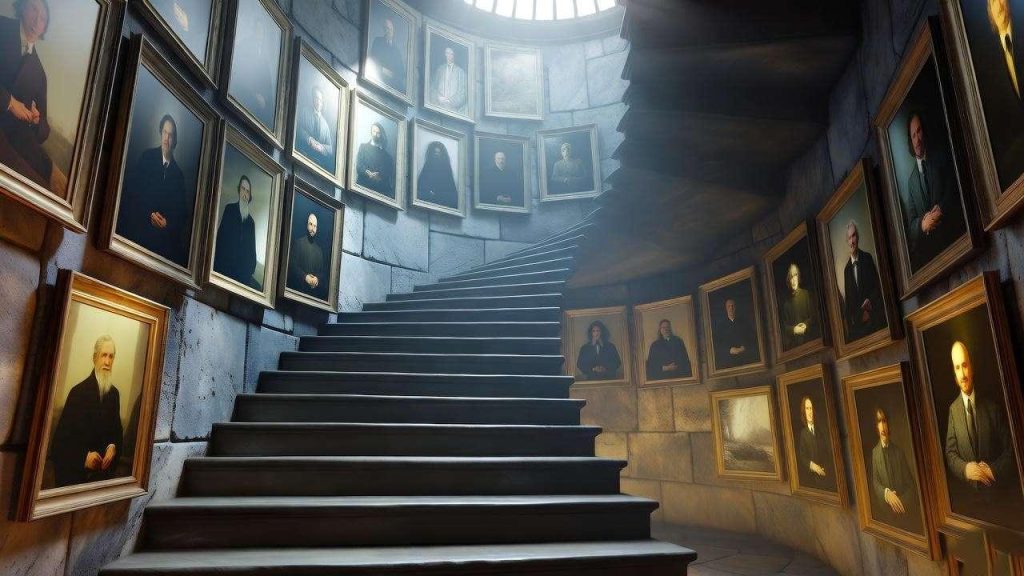
Why Everyone Was So Ready to Believe It
The teaser didn’t appear in a vacuum. By mid-2026, the case for an imminent reveal had been building for months, and most of it came from outside the marketing department.
The hiring tells. Avalanche Software brought on a new community manager (reportedly named Cody) and a video capture artist — a role dedicated to producing cinematic gameplay for trailers. Studios don’t typically staff those positions until a marketing campaign is about to begin. Notably, the same pattern preceded the original game: a community manager was hired in late 2021, and the first reveal followed roughly four months later.
The LinkedIn slip. A Warner Bros. artist listed “Hogwarts Legacy 2” directly on their resume, quietly confirming what everyone already assumed — the open-world Harry Potter RPG sequel is in active development.
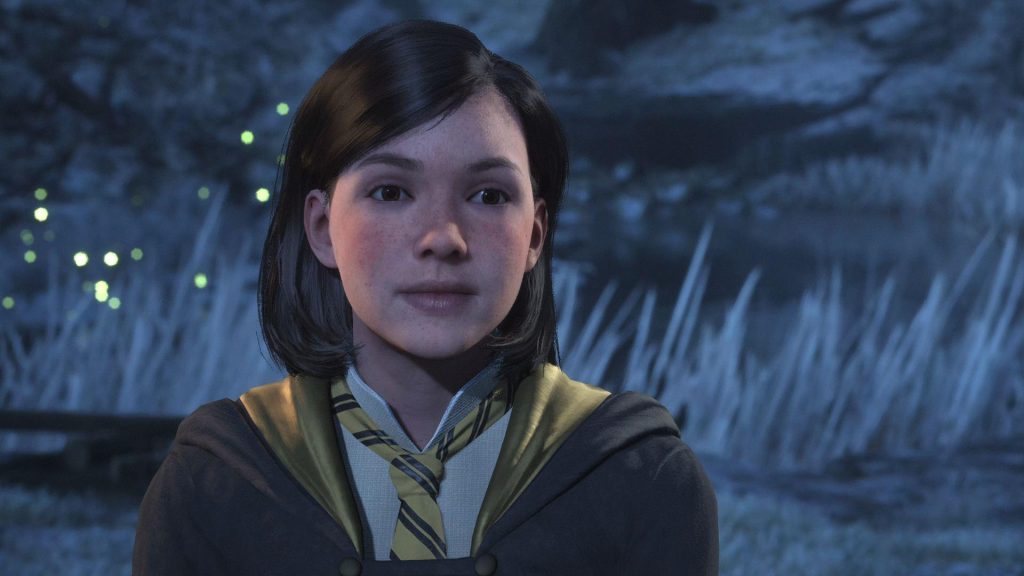
The executive math. Warner Bros. Games leadership has publicly said its biggest franchises return in 2027 and 2028. With more than 40 million copies sold, the first Hogwarts Legacy is comfortably the studio’s largest property, making it the obvious candidate for that window.
Put those together and a first Hogwarts Legacy 2 reveal in 2026 looked less like a hope and more like a scheduling inevitability.
The Reveal That Didn’t Happen
Here’s the twist that reshaped the whole story. Leaker Tidux teased “SOP- HL2 Soon,” fans decoded it as State of Play, Hogwarts Legacy 2, and Sony then announced a 60-plus-minute State of Play showcase for June 2, 2026. The hype was deafening.
Then the showcase came and went — no sequel. Summer Game Fest followed. So did the Xbox Games Showcase. All three of gaming’s biggest summer stages passed with no official Hogwarts Legacy 2 trailer.
Industry insider Jordan Middler later described the silence as genuinely surprising, given how far along the project reportedly is. His read: the game is nearing completion, but Warner Bros. is holding its first look for a moment of its own choosing rather than burning it inside a crowded showcase. The Game Awards 2026 has since become the popular bet for where a real Hogwarts Legacy 2 teaser finally lands.
When Is Hogwarts Legacy 2 Coming Out?
There is no confirmed Hogwarts Legacy 2 release date yet. That said, the most-cited window is firm enough that you’ll see it everywhere:
- Most likely: 2027, with several leaks pointing toward spring or summer.
- Backup window: late 2027 or 2028, per more cautious insiders.
The logic is synergy. HBO’s new live-action Harry Potter series is set to premiere December 25, 2026, and Warner Bros. loves aligning a game launch with a tentpole TV moment. A 2027 release lets the Hogwarts Legacy sequel ride the wave of renewed Wizarding World interest — the same playbook that turned the original into a 40-million-seller. For a full timeline of every leak and update, see our Hogwarts Legacy 2 release date tracker.
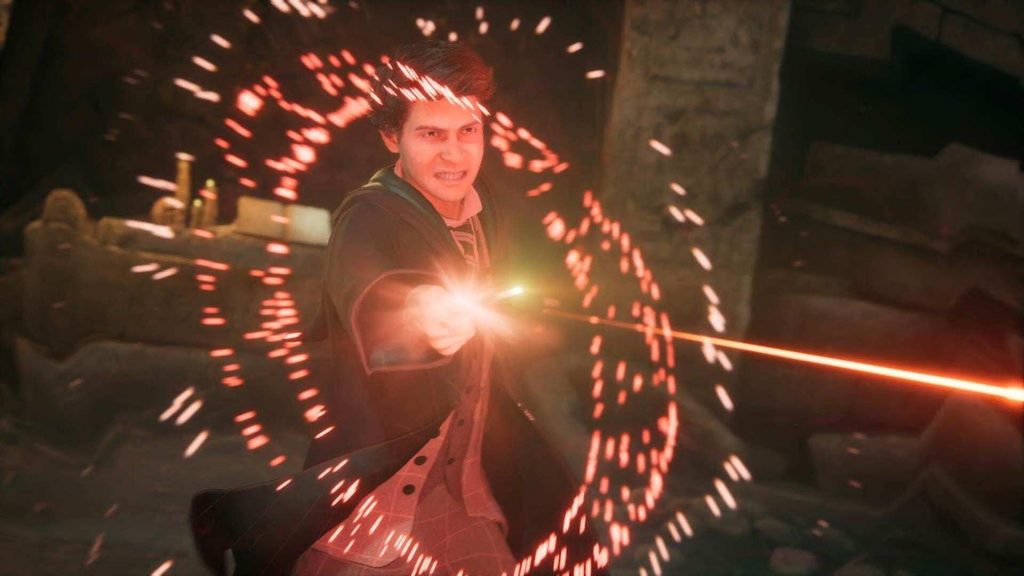
Unlike psychological horror experiences such as Remothered: Red Nuns Legacy, this game balances mystery and darker themes with large-scale fantasy adventure and magical exploration.
What a Sequel Needs to Get Right
A first teaser is exciting, but the conversation always circles back to what fans actually want fixed. Based on years of community feedback, three things top the list:
- Meaningful consequences for dark magic. In the original, you can learn every Unforgivable Curse — there’s a reason every Unforgivable Curse and how to unlock it is one of the most-searched topics in the game — yet nobody reacts. A morality system with teeth would be the single biggest upgrade.
- A canonical ending. The first game’s keep-it-or-release-it choice will likely need to be resolved, unless Avalanche pivots to a prequel.
- Single-player focus. A job listing referencing an “online multiplayer RPG” sparked live-service fears, though later reports suggested the core sequel remains a single-player experience. Fans overwhelmingly want the latter.
Get those right, and the open-world Harry Potter RPG formula has room to become something special rather than a safe retread.

FAQ
Is there an official Hogwarts Legacy 2 teaser yet?
Not a formal trailer. The closest thing is the May 2026 “Ancient Magic” montage on the official account, which fans treat as the first unofficial Hogwarts Legacy 2 teaser, though it used footage from the first game rather than new sequel material.
Has Hogwarts Legacy 2 been officially announced?
The sequel is widely confirmed to be in development through hiring patterns, leaks, and a LinkedIn listing, but Warner Bros. has not held a formal reveal event as of June 2026.
When will Hogwarts Legacy 2 come out?
There’s no confirmed date. A 2027 release is the most-cited window, with late 2027 or 2028 as the cautious fallback, likely timed near HBO’s Harry Potter series.
Will Hogwarts Legacy 2 be on PS5, Xbox, and PC?
No platforms are confirmed, but given the original launched across PlayStation, Xbox, PC, and Switch, a similar multiplatform rollout is the safe expectation.
Is Hogwarts Legacy 2 going to be live-service?
Reports are mixed. A multiplayer job listing raised concerns, but subsequent sources indicate the main sequel stays single-player, with any online elements likely separate or optional.
The Bottom Line
So, did Hogwarts Legacy 2 reveal its first official teaser? Functionally, yes — the “Ancient Magic” tease was the first deliberate wink from Avalanche in months, even if a true trailer is still pending. Every signal that matters (the hires, the leaks, the 2027 strategy, the HBO tie-in) points to a real reveal arriving soon, with the Game Awards 2026 as the frontrunner.
#Related Articles
– MOOSA: Dirty Fate (2026)
– Remothered: Red Nuns Legacy
– VANRAN (2026)