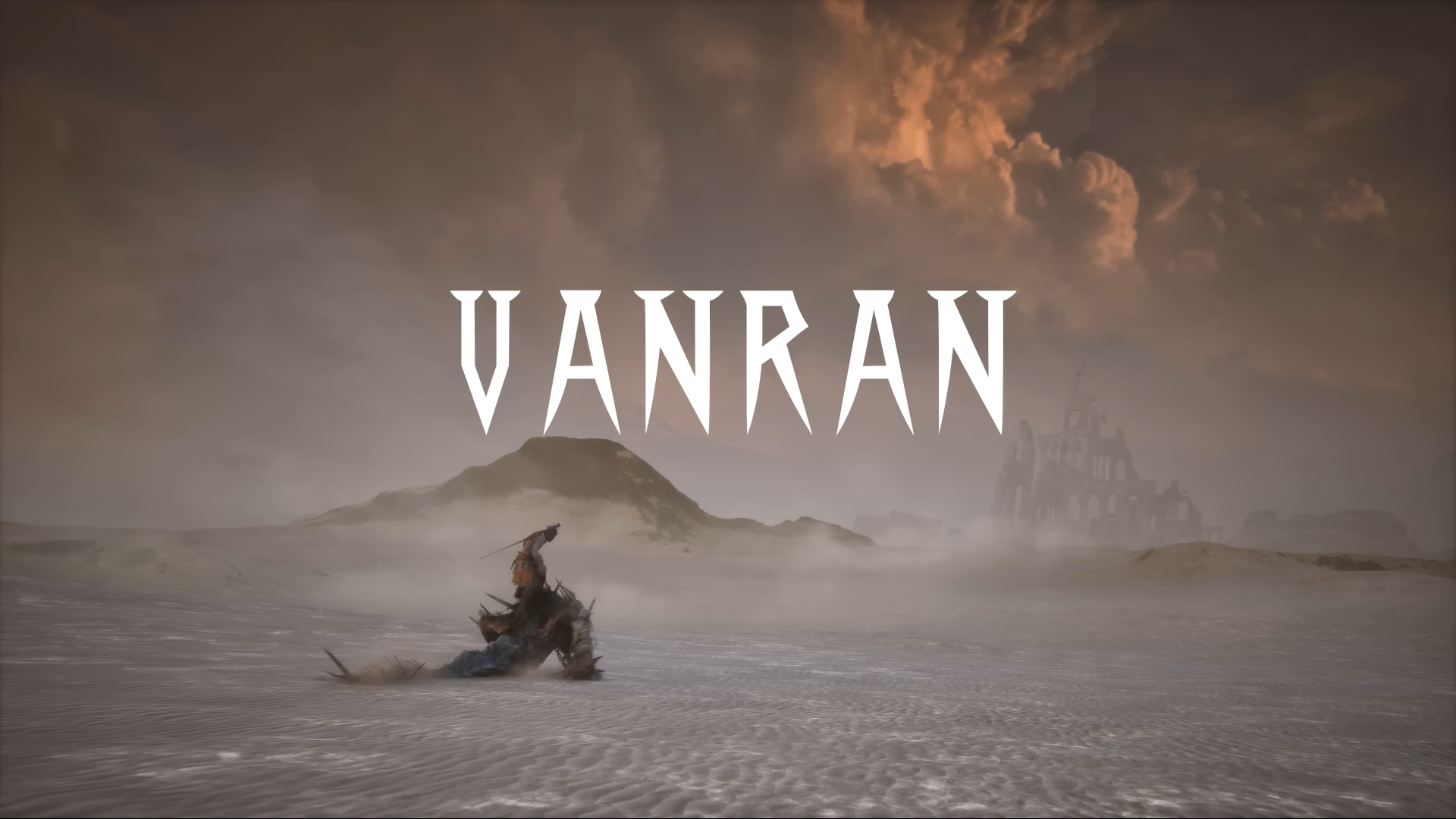
VANRAN is a dark fantasy action RPG developed and published by BECUZUS, built around soulslike combat with accessibility features layered on top. The pitch is simple but striking: a human slave in the Demon Realm wields a sealed blade and rises in rebellion, defeating enemies, claiming their power, and choosing between salvation and vengeance.
It’s currently listed on Steam, where players can wishlist it and try an available demo.
The game leans hard into genre staples fans of Dark Souls, Lies of P, and Lords of the Fallen will recognize: punishing boss fights, a grim atmosphere, and a protagonist who claws their way up from nothing. But VANRAN tries to differentiate itself with an auto-growth progression system and procedurally generated dungeons, aiming to lower the genre’s notoriously steep entry barrier without losing its bite.

The VANRAN Story: Slavery, Rebellion, and a Sealed Blade
VANRAN’s narrative is delivered through cutscenes woven directly into gameplay rather than separated from it — a structural choice that keeps the dark fantasy tone consistent throughout.
The protagonist (named Carter in some narrative builds, Caleb in others, suggesting evolving lore between demo versions) falls into the Demon Realm and is enslaved. There, the Maroks — demonic overseers — implant prisoners with a grotesque “Assen Fruit” that transforms humans into demons, feeding a growing demonic army advancing on the Kingdom of Elphain.
Caught in this transformation, the protagonist discovers a different path: a sealed blade, forged using soul-binding techniques developed by the blacksmith Baldrik, who was commissioned by the King of Elphain to craft twenty such weapons. Wielding it, the protagonist begins a rebellion — defeating demon lords, absorbing their power, and working toward an ending defined by the player’s own choices: salvation or vengeance.
This branching-ending structure means choices made across the campaign affect which of multiple finales the player reaches, giving VANRAN replay value beyond a single playthrough.
VANRAN Gameplay: Soulslike Combat Meets Accessibility
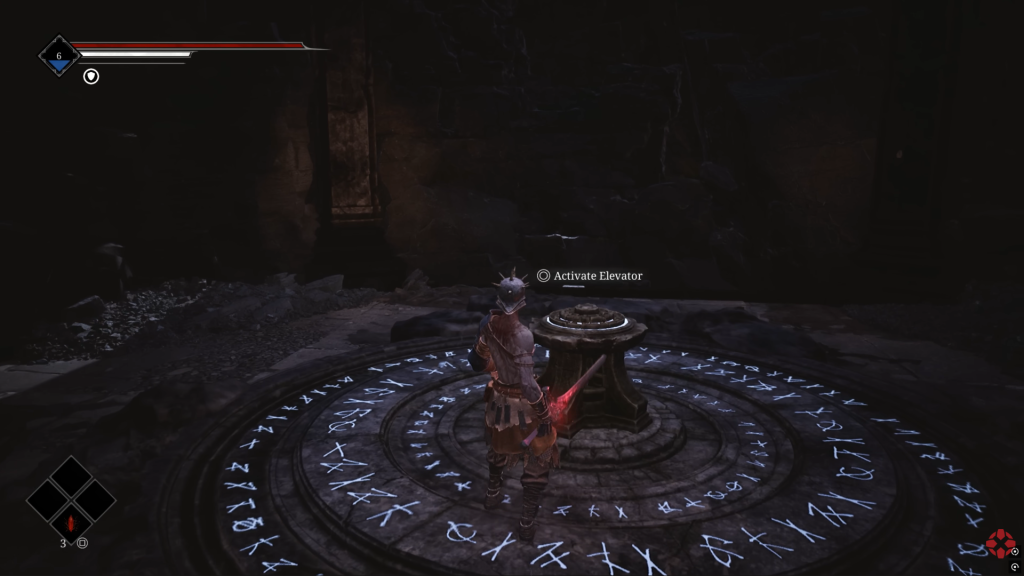
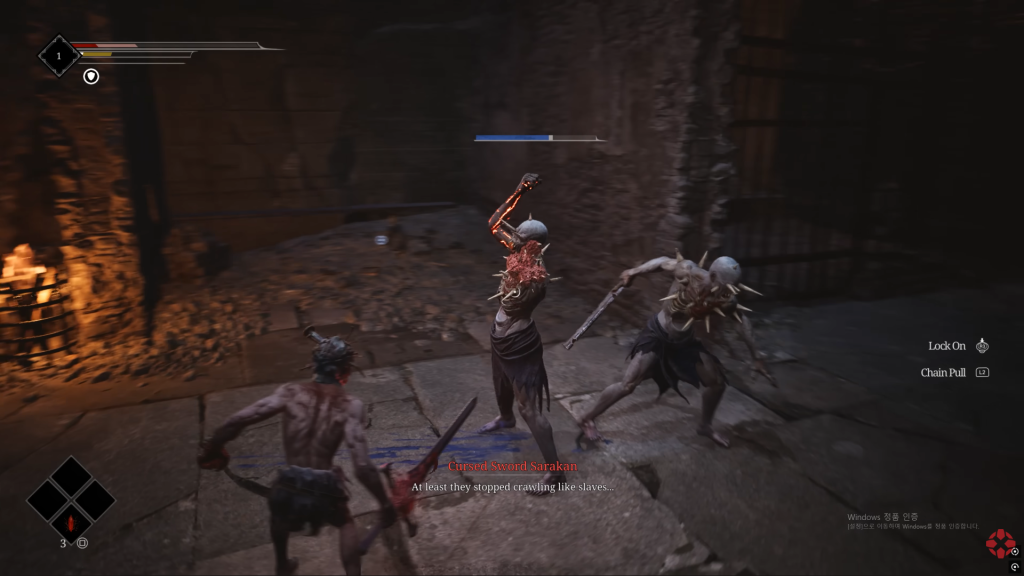
VANRAN’s combat is the core selling point, and it borrows heavily from the soulslike formula: deliberate, punishing encounters where positioning and timing matter more than button-mashing.
Key gameplay systems include:
- Stylish, high-impact combat — fast, responsive sword-based fighting built around the sealed blade
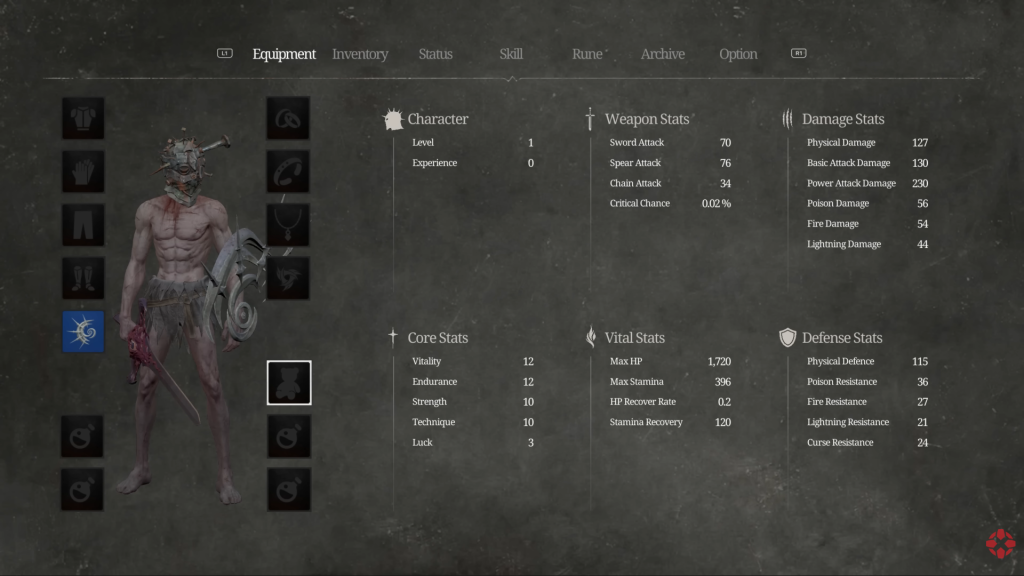
- Auto-growth progression — characters develop organically based on playstyle rather than requiring manual stat allocation at every level, reducing friction for players newer to the genre
- Procedurally generated dungeons — randomized layouts that change the exploration experience between runs
- Eight distinct regions — each with its own visual identity, enemies, and ruling demon lord
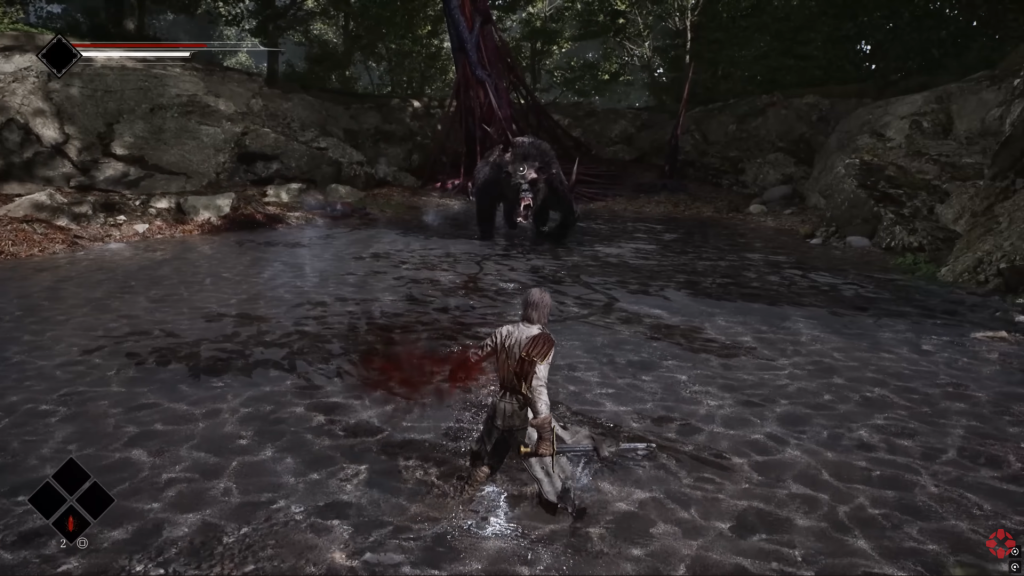
- Titanic boss battles — including a “Titan” encounter that reportedly required custom mountable mechanics and adaptive animations to pull off
- Loot and power absorption — defeating enemies and demon lords grants gear and power that directly fuels character growth
Climbing Mechanics and Boss Design
One of VANRAN’s more distinctive ideas is a climbing mechanic built into certain boss fights, letting players scale colossal enemies mid-battle rather than only attacking from the ground. It’s an ambitious system — and, per early demo feedback on the Steam Community hub, still inconsistent in execution, with some players reporting the climb doesn’t always trigger reliably against the Titan boss.
Early Player Feedback: What People Are Saying About the Demo
Because VANRAN is still in active development, the most useful signal right now comes from demo feedback rather than full reviews. Common themes from early players:
- Visual sharpening and image clarity issues — some players found the terrain and environment rendering overly sharpened or grainy
- Key rebinding limitations — left-handed and custom-control players have asked for fuller keybind support
- Boss mechanic inconsistency — the Titan climb mechanic doesn’t always register correctly, occasionally breaking fight pacing
- Genuine interest in the core concept — multiple players note they’ve wishlisted the game specifically to track its development, citing the combat feel and dark fantasy premise as strong foundations
This is normal territory for a soulslike still iterating on its demo build, but it’s worth knowing before you wishlist or commit playtime.
VANRAN vs. Other Soulslike Games
If you’re comparing VANRAN against the current soulslike crowd, here’s how it stacks up conceptually:
| Feature | VANRAN | Typical Soulslike |
|---|---|---|
| Progression | Auto-growth (playstyle-based) | Manual stat allocation |
| Dungeons | Procedurally generated | Hand-crafted, fixed |
| Endings | Multiple, choice-driven | Usually fixed or limited |
| Difficulty | Soulslike with accessibility options | Often uncompromising |
| Setting | Demon Realm / dark fantasy | Varies widely |
The accessibility-minded auto-growth system is arguably VANRAN’s biggest point of differentiation — it’s chasing the same audience as Lies of P and Stellar Blade, which similarly softened genre conventions to widen their player base.
Platform and Release Information
VANRAN is currently available to wishlist on Steam for PC, with a playable demo. As of now, BECUZUS hasn’t published a confirmed full release date — players following the game should rely on the official Steam store page and outlets like IGDB for the latest status updates, since indie soulslike titles frequently shift release windows during development.
FAQ
Is VANRAN a Souls-like game?
Yes. VANRAN is built around soulslike combat conventions — deliberate, challenging encounters, boss-centric progression, and a punishing dark fantasy atmosphere — while adding accessibility features like auto-growth progression to ease the genre’s typical difficulty curve.
Who developed VANRAN?
VANRAN is developed and published by BECUZUS, a studio built around game design, cinematic storytelling, and interactive technology professionals focused on narrative-driven action games.
Is there a VANRAN demo available?
Yes, a demo is available through VANRAN’s Steam page, though early feedback notes some rough edges around visual sharpening, keybinding flexibility, and boss climb mechanics.
What platforms is VANRAN coming to?
VANRAN is confirmed for PC via Steam. No console release has been officially announced at this time.
Does VANRAN have multiple endings?
Yes. Player choices throughout the rebellion affect the story’s outcome, with the game built around two broad emotional paths: salvation or vengeance.
The Bottom Line: Should You Wishlist VANRAN?
VANRAN is shaping up to be a promising entry in the increasingly crowded soulslike space, with a clear identity built around its sealed-blade revenge story, auto-growth progression, and ambitious boss encounters. It’s not polished yet — demo feedback flags real issues with visual clarity and boss mechanic consistency — but the foundation is distinctive enough to be worth tracking.
If dark fantasy, demon lords, and stylish soulslike combat sound like your kind of game, the smartest move right now is to wishlist VANRAN on Steam, try the demo for yourself, and keep an eye on BECUZUS’s updates as the game heads toward a fuller release.