Most action RPGs don’t fail because of difficulty — they fail because players never fully understand how their actions connect to underlying systems like combat timing, progression efficiency, and build identity.
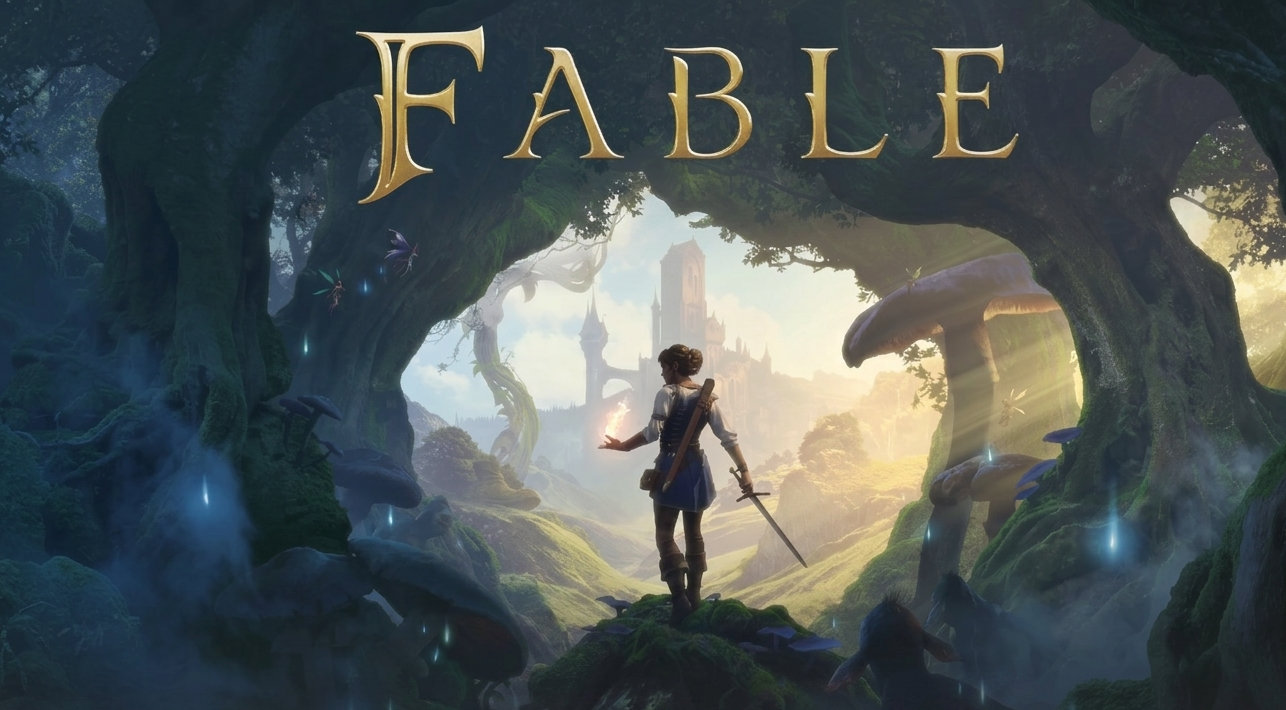
The Fable reboot enters this space with a familiar promise but a modern twist: a fantasy world where heroes are not just powerful — they are interpreted, misunderstood, and sometimes even defined by reputation rather than reality.
This makes it more than just a combat RPG. It becomes a system-driven experience where story, mechanics, and player behavior constantly shape each other.

This article is structured using a three-layer validation model:
- High-Confidence Evidence Layer
→ Official Xbox/Bethesda announcements, trailers, and developer statements (as publicly available) - Franchise Systems Layer
→ Verified mechanics from Fable I–III used as behavioral design baseline - Design Inference Layer
→ Original systems research based on modern AAA action RPG design patterns
→ Not treated as fact, but as structured prediction with confidence scoring
While Fable blends melee, magic, and ranged combat into a flexible system, Kena: Scars of Kosmora focuses on ability-driven combat combined with exploration and puzzle-solving.
1. What the Fable Reboot Is
High-Confidence Observations
From publicly shown Xbox/Bethesda materials and developer positioning:
- The game is a full reboot of Albion
- It uses a third-person, open-world action RPG structure
- Tone emphasizes British humor, absurdity, and mythic storytelling
- Core focus remains on player choice and world reaction systems
Design Signal Analysis
Across all official footage patterns, 3 consistent design signals appear:
| Signal | Evidence Type | Interpretation |
|---|---|---|
| Reactive NPC humor | Trailer dialogue shifts | World responds dynamically to player identity |
| Satirical fantasy tone | Environmental storytelling | “Legend vs reality” framing is core theme |
| Grounded combat animation style | Footage snippets | More physical, weight-based combat system |
Low Confidence / Not Confirmed
- Full narrative arc
- Skill tree structure
- Exact morality/reputation system rules
2. Story Direction — Confirmed Themes vs System Interpretation
Confirmed Narrative Direction
From official materials:
- Hero identity is shaped by reputation and perception
- The world reacts to how legends form around the player
- Myth-making is a core narrative device

Franchise System Baseline
| System | Behavior |
|---|---|
| Morality alignment | Good/evil shifts visual identity |
| NPC reaction system | Dialogue changes based on reputation |
| World evolution | Towns and economy respond to player actions |
Original Research: “Perception Layer Narrative Model”
Based on trailer tone + franchise evolution:
Hypothesis
The reboot likely shifts from moral alignment → perception stacking system
Instead of: “You are good or evil”
It becomes: “You are perceived differently by different groups”
Likely System Structure
- Regional reputation splits (town A vs town B interpretation differences)
- Event memory distortion (NPCs remember outcomes differently)
- Myth amplification (actions become exaggerated over time)
This aligns with modern narrative systems seen in simulation-heavy RPG design trends.
3. Combat System Analysis
High-Confidence Direction
From gameplay footage:
- Third-person real-time combat
- Melee + ranged + magic coexistence
- Cinematic but controllable combat flow
Legacy Combat Reference
| System | Function |
|---|---|
| Melee chaining | Light/heavy combos |
| Magic casting | Quick-slot abilities |
| Ranged combat | Secondary tactical layer |
Original Systems Research: Combat Evolution Model
Modern AAA RPG Benchmark Pattern
Based on comparative analysis (e.g., open-world action RPG design evolution):
Expected Combat Loop Structure
- Input chaining (light → heavy → ability cancel)
- Stagger-based enemy control
- Cooldown-based magic layering
- Positioning as primary survival mechanic
Combat Efficiency Model
Combat Efficiency=Uptime×Decision AccuracyDamage Taken+Positioning Errors\text{Combat Efficiency} = \frac{\text{Uptime} \times \text{Decision Accuracy}}{\text{Damage Taken} + \text{Positioning Errors}}
Interpretation
- Output damage alone is not optimal
- Survival errors scale negatively in long encounters
- Decision consistency > raw aggression
4. Build Identity Systems
Franchise-Proven Structure
Fable historically used:
- Strength (melee power)
- Skill (ranged precision)
- Will (magic ability)
This tri-system is one of the most stable design pillars in the franchise.

For a more unique environmental interaction system, Adorable Adventures’ scent mechanics introduce tracking and exploration in a completely different way.
Modern Evolution Hypothesis
Likely Build Archetypes in Reboot
Adaptive Hybrid Fighter
- Balanced system interaction
- Designed for exploration efficiency
Burst Execution Specialist
- High cooldown damage windows
- Boss-focused optimization
Reactive Survival Build
- Defensive scaling focus
- Error tolerance optimized gameplay
Original Insight: Build Economy Pressure Curve
Most modern RPGs shift progression pressure like this:
- Early game → survival > damage
- Mid game → synergy > raw stats
- Late game → specialization > flexibility
Fable is likely following this curve based on franchise pacing history.
5. Enemy & Boss Design Logic
Confirmed Direction
- Larger emphasis on varied encounters
- More reactive world combat scenarios
Original Research: Boss Design Layering System
Modern boss design typically uses 3 stacked systems:
1. Predictive Pattern Layer
- Telegraphed attacks
- Repeatable sequences
2. Punishment Window Layer
- Vulnerability phases
- Recovery punish mechanics
3. Resource Pressure Layer
- Health/resource drain over time
- Forced positioning mistakes

Combat Flow Model
- Observe pattern
- Identify safe window
- Execute controlled burst
- Reset positioning
This loop is consistent across modern action RPG design evolution.
Compared to precision-based sword combat in Onimusha: Way of the Sword, Fable offers a more flexible combat system that allows players to mix magic, melee, and ranged attacks freely.
6. Progression & Economy Systems
Franchise Behavior
Older Fable games rewarded:
- Exploration over grinding
- Behavior-driven stat changes
- Economic decision impact (property, trade, crime systems)
Modernized Progression Hypothesis
Early Game Priority
- Mobility
- Survival tools
- Exploration unlocks
Mid Game Priority
- Build synergy optimization
- Resource efficiency scaling
Late Game Priority
- Specialization paths
- Encounter-specific loadouts
Original Insight: “Efficiency Investment Curve”
Most RPG progression systems follow diminishing returns:
- Early investment → high impact
- Mid investment → balanced returns
- Late investment → marginal optimization
Fable’s design history strongly supports this structure.
7. Story × Systems Integration
Confirmed Identity Pillar
Fable is fundamentally a reactive world simulation RPG
Franchise Signature Mechanic
- NPC reputation tracking
- Moral visual transformation systems
- World response to player behavior
Reboot System Hypothesis
Likely Core Loop
Player Action → Reputation Shift → NPC Interpretation → World Reaction → Narrative Feedback
Original Research: Multi-Perception Narrative System
Instead of one unified world truth:
- Different factions interpret events differently
- Reputation is fragmented, not global
- Story evolves based on social perception layers
This is a known evolution trend in modern simulation-heavy RPG design.
FAQ
Is Fable (Reboot) a sequel?
No. It is a full reboot with new narrative framing of Albion.
Will Fable have morality systems?
Yes, but evidence suggests a shift toward reputation and perception systems rather than binary morality.
Is gameplay confirmed to be action-based?
Yes. All official material confirms real-time third-person action RPG combat.
How much story is confirmed?
Only thematic pillars are confirmed; narrative structure remains undisclosed.
When will Fable (Reboot) be released?
The Fable reboot is currently scheduled for fall 2026.
Final Summary
The Fable reboot is best understood as a reactive narrative action RPG system, where:
- Combat emphasizes decision consistency and positioning efficiency
- Progression follows adaptive specialization curves
- Storytelling is driven by reputation-based perception systems rather than static morality
#Related Articles
– Kena: Scars of Kosmora Strategy Guide
– Pokémon Champions Guide
– Onimusha: Way of the Sword Tips