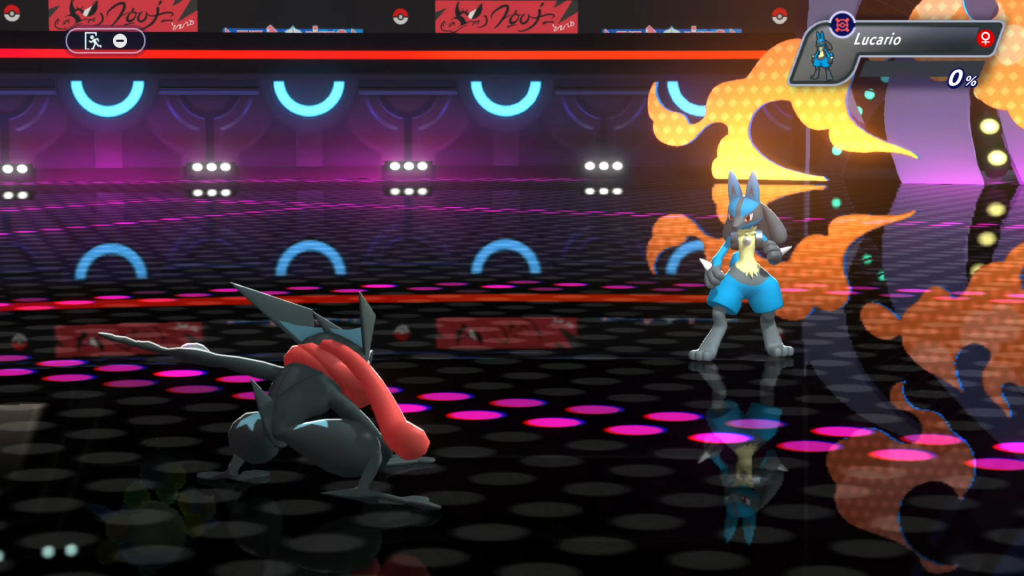
Pokémon Champions isn’t about picking strong individual Pokémon — it’s about understanding how your entire team functions as a system under ranked pressure. Small early decisions, like how you spend VP or which role you unlock first, quietly decide whether your team stabilizes in late ladder or falls apart when the meta gets tougher.
This guide focuses on those hidden decision points most players miss: how teams are structured, why certain roles matter more than raw power, and how to build something that stays consistent even when matchups don’t go your way.
This is a ladder-focused competitive guide for Pokémon Champions.
This guide prioritizes win-rate stability, not gimmicks.
While Pokémon Champions focuses entirely on strategic turn-based battles, games like Saros deliver a fast-paced roguelike experience built around real-time combat and repeated progression loops.
Before You Start
These mechanics matter more than tier lists:
- Starter choice locks your entire preset team
- VP is limited early (wrong unlocks delay power)
- Role coverage > individual power
- Ladder rewards consistency, not risky offense
- Mega timing decides mid-game control
Understanding these early prevents long-term mistakes.
Starter Team Lock Consequences
You don’t pick one Pokémon — you pick a team structure.
Choosing one starter removes:
- Certain roles (no wall, no cleaner, etc.)
- Key synergy combinations
- Important meta counters
- Matchup flexibility
This matters more than raw strength.
Starter Team Comparison
| Starter | Strength | Weakness | Best For |
|---|---|---|---|
| Balanced | Full role coverage | No burst damage | Beginners |
| Offense | Fast wins | No defense | Aggressive players |
| Defensive | Safe matches | Slow pressure | Ladder climbing |
| Trick Room | Beats speed teams | Hard to pilot | Advanced |
| Weather | High synergy | Countered easily | Experienced |
Role Coverage Gaps
Offense Starter lacks:
- Wall
- Pivot
- Status support
Defensive Starter lacks:
- Sweeper
- Cleaner
- Speed control
Balanced Starter includes:
- Lead
- Sweeper
- Wall
- Support
- Pivot
- Cleaner
That’s why Balanced is safest.
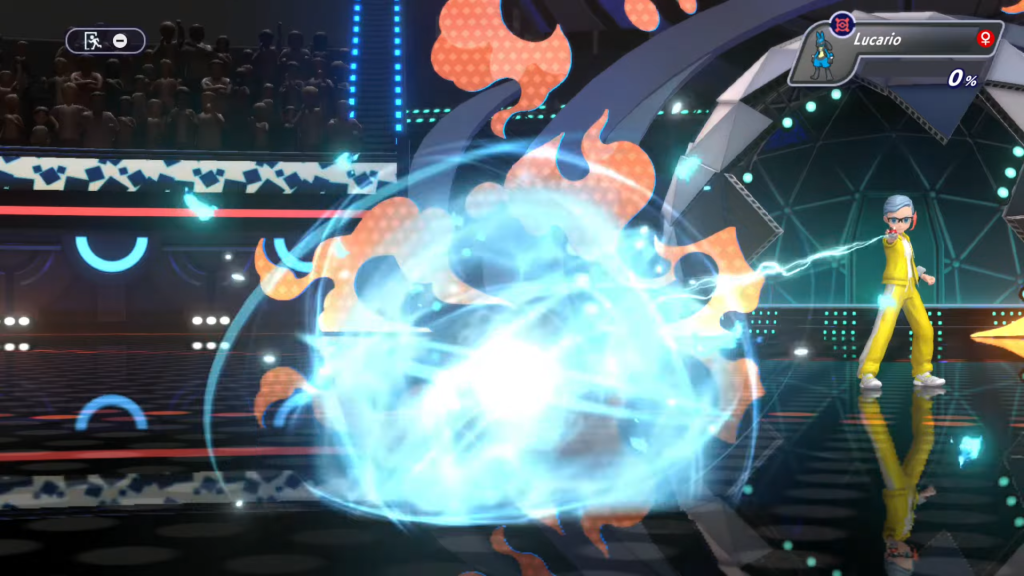
REAL Starter Team
This is a stable ladder-safe starting team.
Lead — Rotom-Wash
Speed control + pivot
Wall — Toxapex
Defensive tank
Sweeper — Dragonite
Dragon Dance setup attacker
Support — Grimmsnarl
Screens + status
Pivot — Landorus-Therian
Intimidate + U-turn
Cleaner — Choice Scarf Garchomp
Fast late-game finisher
Why This Starter Team Works
- Covers all matchups
- Strong defensive backbone
- Safe pivot control
- Reliable late-game win condition
Weakness:
- Slower wins
- Requires positioning
This is the lowest-risk starter team.
VP Economy Math
VP is limited early. Poor unlocks delay your power spike.
Best Early Purchases
- Missing role Pokémon
- Speed control
- Wall/support
- Counter pick
- Second sweeper
Avoid Early:
- Duplicate sweepers
- Weather teams
- Gimmick builds
- Full stall cores
VP Cost vs Value
| Unlock Type | Cost | Value | Priority |
|---|---|---|---|
| Role coverage | Medium | Very high | First |
| Speed control | Medium | High | Second |
| Wall | Low | High | Early |
| Mega core | High | Medium | Mid |
| Gimmick | High | Low early | Late |
Best Unlock Order
Step 1 — Fill missing roles
Step 2 — Add speed control
Step 3 — Add counter pick
Step 4 — Add second sweeper
Step 5 — Add Mega core
This builds a stable ranked team fastest.
Team Role System
Winning teams use role balance, not strongest Pokémon.
Core Roles:
Lead — early momentum
Sweeper — main damage
Wall — absorbs hits
Support — status/screens
Pivot — safe switching
Cleaner — late-game finisher
Perfect Ladder Team Structure
Most consistent ranked teams use:
- 1 Lead
- 1 Sweeper
- 1 Wall
- 1 Support
- 1 Pivot
- 1 Cleaner
This outperforms full offense.
Unlike narrative-driven experiences like Tides of Tomorrow, which emphasize story and player choices, this game removes traditional storytelling entirely to focus on competitive battles.
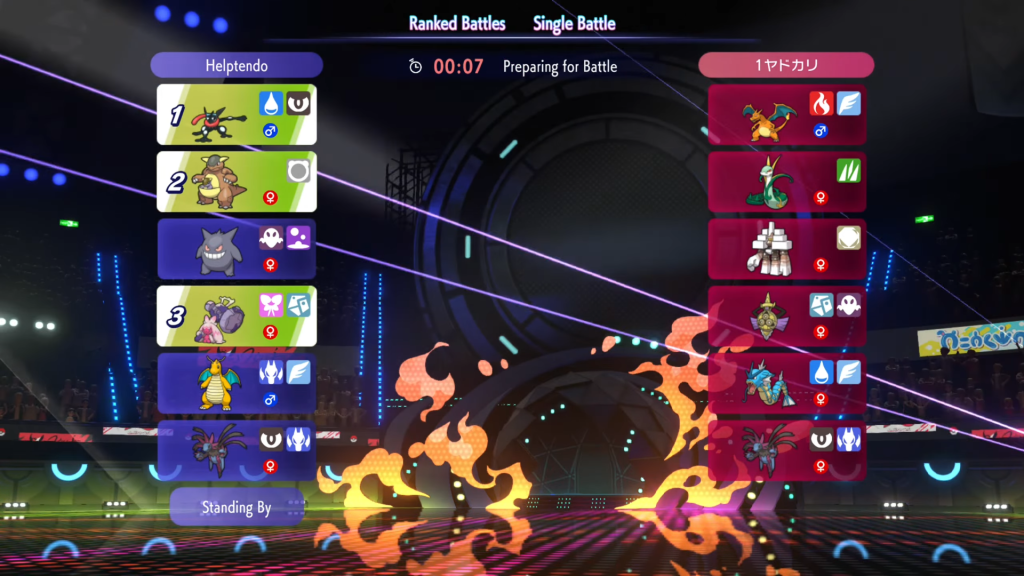
REAL Ranked Team
This team is designed for consistent ranked climbing.
Lead — Landorus-Therian
Stealth Rock / U-turn / Earthquake
Controls early tempo
Wall — Toxapex
Recover / Toxic / Scald
Stops aggressive teams
Sweeper — Volcarona
Quiver Dance / Fire STAB
Breaks defensive cores
Support — Grimmsnarl
Reflect / Light Screen
Enables safe setup
Pivot — Rotom-Wash
Volt Switch / Hydro Pump
Maintains pressure
Cleaner — Dragapult (Choice Scarf)
Fast late-game finisher
How This Ranked Team Wins
Early Game
Set rocks + pivot safely
Mid Game
Screens → setup sweeper
Late Game
Dragapult cleans
This structure:
- Beats hyper offense
- Beats stall
- Beats balanced
- Very consistent ladder climb
Build Templates
Balanced
Full role coverage
Safe vs most matchups
Best for ladder climbing
Offense
Fast wins
Weak vs stall
High variance
Stall
Very safe
Slow wins
Weak vs heavy offense
Threat List
Prepare for these common ladder threats.
1. Dragapult
Why it’s common:
- Extremely fast
- Hard to revenge kill
Counter:
- Bulky wall + priority cleaner
2. Landorus-Therian
Why it’s common:
- Intimidate pivot
- Stealth Rock pressure
Counter:
- Ice coverage or bulky water
3. Volcarona
Why it’s common:
- One Quiver Dance sweep
- Strong vs balance
Counter:
- Rock damage + fast revenge
4. Toxapex
Why it’s common:
- Hard to break
- Status stall
Counter:
- Setup sweeper early
5. Dragonite
Why it’s common:
- Multiscale setup
- Late-game sweep
Counter:
- Status + chip damage
Counters
Hyper Offense
Strengths:
- Fast pressure
- Early KO
Weakness:
- No defense
Counter Strategy:
Wall + status + cleaner
Stall
Weakness:
- Low damage
Counter:
Setup sweeper early
Break wall core quickly
Balanced
Weakness:
- No extreme pressure
Counter:
Use hyper offense
Force early trades
Compared to structured open-world experiences like Assassin’s Creed Black Flag Resynced, this game is built purely around competitive matches and team optimization rather than exploration.
Hidden Mechanics Most Guides Miss
AI Switching Behavior
AI switches when:
- Type disadvantage
- Setup threat
Predict and punish.
Speed Tie Rule
Same speed = random order
Always run speed control.
Mega Timing
Best: mid-match
Worst: turn 1
Mega too early loses flexibility.
Status Stacking
Burn + wall = stall
Paralysis + cleaner = sweep
Support becomes extremely valuable.
Ranked Ladder Progression Strategy
Safe Climb Route:
Pick Balanced starter
Fill role gaps
Add speed control
Use balanced team
Adjust counters
Low-Risk Ladder Team Structure
Bulky lead
Balanced sweeper
Defensive wall
Status support
Pivot
Cleaner
Win Condition:
Wear down opponent → cleaner sweep
Mistakes That Kill Win Rate
Full offense teams
No wall
No pivot
Too many sweepers
No speed control
Avoid these for immediate improvement.
Best Starter Choice
| Player Type | Best Starter |
|---|---|
| Beginner | Balanced |
| Aggressive | Offense |
| Safe climb | Defensive |
| Advanced | Trick Room |
| Experienced | Weather |
Best First Competitive Team Build
Lead: utility
Sweeper: main damage
Wall: bulky tank
Support: status/screens
Pivot: switching
Cleaner: fast finisher
This gives:
- Full role coverage
- Strong meta counters
- Stable ranked progression
- Consistent ladder wins
Final Verdict FAQ
If you want consistent ranked wins:
Pick Balanced starter
Prioritize role coverage
Spend VP carefully
Use real team builds
Prepare for meta threats
Play for late-game cleaner
FAQ
What is the best starter in Pokémon Champions?
Balanced starter is best for most players because it covers all essential roles.
What should I buy first with VP?
Prioritize core role Pokémon and speed control before gimmick or duplicate picks.
Why is team role balance important?
Because balanced roles win more consistently than relying on strong individual Pokémon.
What beats hyper offense teams?
Defensive walls, status support, and a late-game cleaner strategy counter them effectively.
Is stall a good strategy for ranked?
Yes, but it is slow and requires patience and strong counter planning.
What is the safest team type for beginners?
A balanced team with lead, sweeper, wall, support, pivot, and cleaner.
#Related Articles
– Saros Beginner Guide
– Tides of Tomorrow Walkthrough
– Assassin’s Creed Black Flag Resynced Walkthrough