Everything players usually miss: consequences, hidden systems, efficiency paths, and completion strategy.
Most guides for The Occultist focus only on basic walkthrough steps or direct puzzle answers. This guide goes further. It explains how the game systems actually behave, what you can miss permanently, and how to play efficiently without locking yourself out of content.
Whether you’re aiming for 100% completion, safe progression, or a speedrun-style route, this guide covers the hidden structure behind the game.
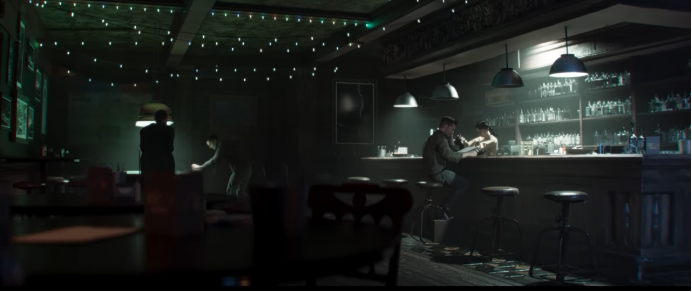
Similar to narrative-driven experiences like Tides of Tomorrow, this game focuses heavily on player immersion and storytelling, though with a more traditional linear structure.
Fail States & Soft Locks (Can You Mess Things Up?)
Many players assume modern narrative horror games always allow recovery. That is not always true.
Hard Fail States
These typically occur when:
- You die during scripted “no retry” sequences
- You fail key ritual timing events
- You exhaust critical resources in gated areas
- You skip essential story flags before progression locks
Soft Locks
These include:
- Running out of healing or sanity restoration items
- Entering puzzles without required clue items
- Missing optional NPC interactions that unlock hints
Key Insight:
Most “soft locks” in The Occultist are actually resource or information locks, not pure progression locks.
Translation: you can continue, but you may lose access to easier solutions or alternate routes.
Puzzle Logic
Instead of memorizing solutions, understanding the logic saves time and prevents repeat failure.
Common Puzzle Structures
- Symbol matching based on environmental storytelling
- Ritual sequences tied to lore fragments
- Spatial alignment puzzles (light, mirrors, shadow)
- Audio or memory-based sequences
How to Actually Solve Them Faster
- Always scan environment BEFORE interacting
- Treat notes as rule systems, not story flavor
- Look for repetition patterns in symbols or sequences
- If stuck, reverse-engineer from final locked state
Pro Tip:
Most puzzles are layered logic puzzles, meaning:
Clue A explains rule → Clue B confirms exception → Puzzle solution applies both
Best Path vs Optional Exploration Efficiency
One of the biggest hidden systems is route efficiency.
Critical Path
- Leads directly through story chapters
- Minimal loot, minimal risk
- Required for completion
Optional Exploration Path
- Hidden lore entries
- Upgrade materials
- Alternate puzzle solutions
- Secret encounters
Efficiency Strategy
- First run: prioritize optional exploration early
- Second half: switch to critical path focus
- Avoid backtracking unless collectibles are tracked
Best approach: “Explore early, optimize late”
Hidden Triggers for Secret Events
Secret content is often tied to invisible conditions.
Common Trigger Types
- Interacting with objects in specific order
- Returning to earlier areas after story progression
- Reading all documents in a category
- Completing optional dialogue chains
- Low sanity state interactions
Important Rule:
Secrets are rarely random—they are state-dependent events.
If something feels “too quiet,” it usually means a trigger exists elsewhere first.
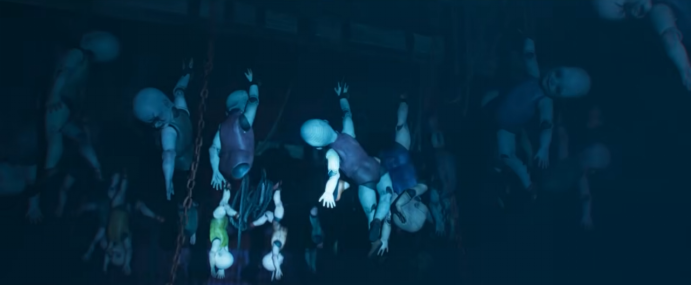
While both games explore dark themes, The Blood of Dawnwalker leans more into open-world RPG systems and player choice, whereas this experience remains more focused and narrative-driven.
Sanity / Curse / Corruption Mechanics
If The Occultist uses a psychological or supernatural stability system, it typically affects:
Low Sanity Effects
- Visual distortion
- False enemy encounters
- Puzzle misinterpretation
- Dialogue hallucinations
High Corruption Effects
- Unlocks forbidden dialogue options
- Opens hidden paths or rituals
- Increases enemy aggression or spawn rate
Strategy:
- Keep sanity stable for puzzles
- Allow controlled corruption for secrets
The key mechanic is trade-off:
Stability = safety
Corruption = access
Missable Collectibles Per Chapter
Most completion failures happen here.
Common Missable Types
- Lore documents locked behind one-time doors
- Environmental scans tied to story events
- NPC dialogue logs that disappear after progression
- Hidden ritual fragments in early chapters
Warning System Rule:
If you progress past a major story transition:
Assume earlier areas are no longer fully accessible.
Safe Completion Strategy:
- Fully clear each area BEFORE advancing story trigger points
- Re-check rooms after major cutscenes
- Prioritize collectibles over optional combat
Point of No Return Warnings
These are critical for 100% completion runs.

Common “No Return” Triggers:
- Entering final ritual zones
- Major chapter transitions (especially mid-game)
- Boss encounter initiation sequences
- World-state shifting events
How to Recognize Them:
- NPC dialogue becomes unusually final
- Inventory warnings appear
- Environment becomes restricted or sealed
Always assume:
If the game emphasizes urgency, it is usually a soft lock point for content.
NPC Survival & Branching Consequences
NPC systems are usually more important than players expect.
Key Systems:
- NPCs can die permanently based on choices
- Some NPCs unlock puzzle shortcuts or hints
- Certain survivors alter ending outcomes
Branching Logic:
- Helping NPCs → unlocks lore + easier puzzles
- Ignoring NPCs → harder combat + missing story context
- Sacrificing NPCs → often unlocks darker endings
Insight:
NPC survival is not cosmetic—it is a progression modifier system.
Speedrun & Optimal Route Guide
If you’re optimizing playthrough efficiency, the game breaks into 3 phases:
Early Game
- Collect all tools and sanity resources
- Explore every optional area once
- Mark puzzle-heavy zones
Mid Game
- Follow critical path only
- Skip optional combat unless required
- Route directly between objectives
Late Game
- Avoid exploration completely
- Use pre-learned puzzle logic only
- Focus on minimal backtracking
Speedrun Principle:
Knowledge replaces exploration.
The more you understand puzzle logic early, the faster the game becomes later.
Compared to action-adventure titles like Assassin’s Creed Black Flag Resynced, this game removes direct combat entirely and instead focuses on stealth, puzzles, and exploration.
Final Strategy Summary
To master The Occultist, you need to balance four systems:
- Exploration (for knowledge + secrets)
- Efficiency (for progression speed)
- Logic (for puzzle mastery)
- Risk (for sanity + consequences)
Final Verdict
Most players experience The Occultist as a linear horror puzzle game. In reality, it is closer to a layered system of hidden states, branching logic, and resource-based decision consequences.
Once you understand:
- what can be missed
- what changes outcomes
- and what unlocks secrets
…the game shifts from confusing to fully controllable.
FAQ
Is The Occultist a linear game?
No, progression is state-based with branching outcomes and hidden triggers.
Can you miss collectibles permanently?
Yes, many collectibles are tied to story progression and can become inaccessible later.
Do puzzles have multiple solutions?
Most puzzles follow a single logic-based solution, but clues may vary per environment.
Is there a point of no return?
Yes, especially in late-game ritual sequences and final chapter transitions.
Does sanity affect gameplay?
Yes, it can alter perception, puzzle difficulty, and available interactions.
#Related Articles
– Tides of Tomorrow Walkthrough
– The Blood of Dawnwalker Breakdown
– Assassin’s Creed Black Flag Resynced Walkthrough