Why Most The Sinking City 2 Guides Still Miss What Players Actually Need
Most guides for detective horror games explain what a system does.
They tell you:
- “Pin evidence on the case board.”
- “Make choices carefully.”
- “Conserve ammo.”
- “Solve ritual puzzles.”
That sounds useful—until you’re 4 hours in, low on ammo, your investigation won’t progress, and you’re wondering whether you just ruined your save.
Players don’t actually search:
“What does the case board do?”
They search:
- When should you lock a theory?
- Can a wrong deduction permanently change a case?
- Can you revisit failed investigations?
- Which choices unlock more content without spoilers?
- Can missing lore lock endings?
- Why won’t my evidence connect?
- Did I just soft-lock my progress?
That’s what this guide answers.
This is not a generic walkthrough.
This is your first-playthrough survival guide—built around the mistakes players actually make in The Sinking City 2.
Unlike the vibrant urban fantasy setting of Ananta, this game builds its world around flooded environments, cosmic horror, and constant survival tension.
Can You Make Irreversible Mistakes in The Sinking City 2?
Short answer:
Yes—but not always where you expect.
The game appears designed around soft-fail systems, not traditional “game over” failures.
That means:
- You may finish a case… with incomplete evidence.
- You may accuse the wrong suspect… and still progress.
- You may miss optional lore… and never realize it changed later dialogue.
- You may waste key resources… and feel it hours later.
The biggest danger isn’t dying.
The biggest danger is progressing without understanding what you just lost.
That’s why your first 3–5 hours matter most.
15 Mistakes You Can’t Afford to Make
1. Locking a Theory Too Early
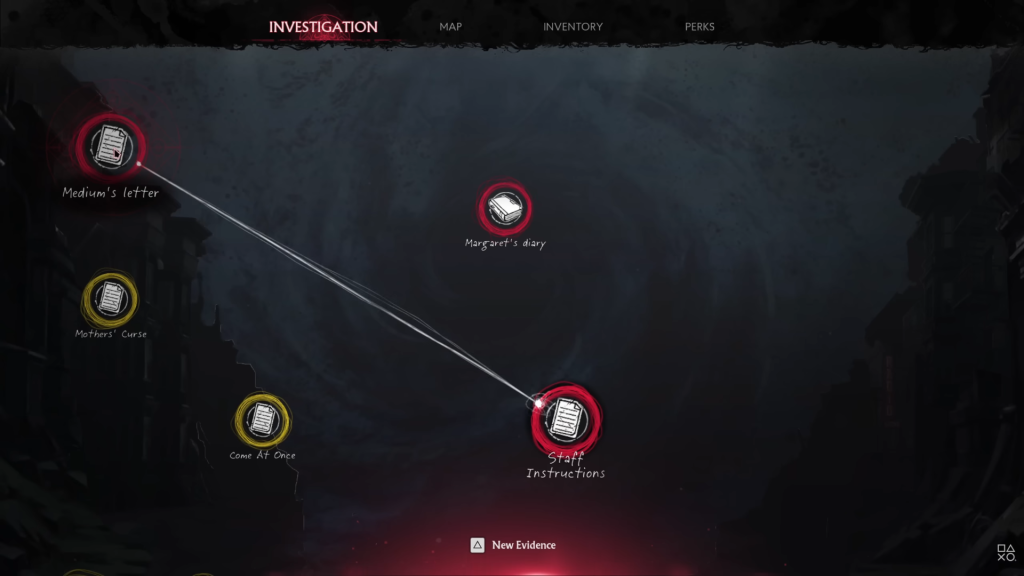
The case board lets you connect clues.
Simple.
Locking a theory isn’t just organization—it may shape what evidence the game prioritizes next.
Before pinning evidence, ask:
- Did you check every witness?
- Did you search archives?
- Did you inspect optional rooms?
- Did you examine environmental clues?
Why it matters:
A premature deduction can create:
- Missed dialogue
- Missing suspect paths
- Lost lore opportunities
Best practice:
Never lock a theory until you’ve exhausted every obvious clue.
2. Assuming There’s Always a “Correct” Choice
Many players expect:
Choice A = Good
Choice B = Bad
That’s not how detective horror usually works.
Instead ask:
Spoiler-light questions before choosing:
- Which choice gives more content?
- Which choice unlocks more lore?
- Which choice closes side investigations?
- Which choice feels narratively canon?
Why it matters:
The “best” choice often depends on:
- Lore
- Weapons
- Character relationships
- Ending interpretation
3. Solving Puzzles Without Understanding the Logic
Most guides say: Moon → Eye → Tentacle
That helps once.
It doesn’t help the next puzzle.
Instead ask:
- Where was the clue hidden?
- What visual pattern connects symbols?
- Why do players miss it?
Why it matters:
Puzzle logic repeats.
Understanding the system saves hours later.
4. Thinking You Failed Because the Case Won’t Progress
One of the most common frustrations: “I have all clues… why am I stuck?”
Usually you’re not stuck.
You missed a hidden trigger.
Case not progressing? Check these 7 triggers:
- Unread document
- Unexamined object
- Archive search incomplete
- Unvisited witness
- Evidence not fully inspected
- Optional dialogue skipped
- Wrong board connection
Why it matters:
The game rarely tells you exactly what’s missing.
Similar to narrative-driven survival experiences like Resonance: A Plague Tale Legacy, this game emphasizes tension, limited resources, and environmental storytelling over nonstop action.
5. Selling Valuable Resources Too Early
They say: “Conserve ammo.”
Too generic.
What matters is:
Resources you’ll regret wasting in your first 3 hours:
- Specialty ammo
- Rare crafting chemicals
- Ritual components
- Unique relics
- Medical ingredients
Why it matters:
Many early items become scarce midgame.
Don’t assume common = replaceable.
6. Treating Optional Areas as Truly Optional
In this game:
Optional often means:
- Hidden evidence
- Bonus suspects
- Lore triggers
- Dialogue flags
- Alternative deductions
Why it matters:
Skipping one room may affect a case 4 hours later.
Explore everything.
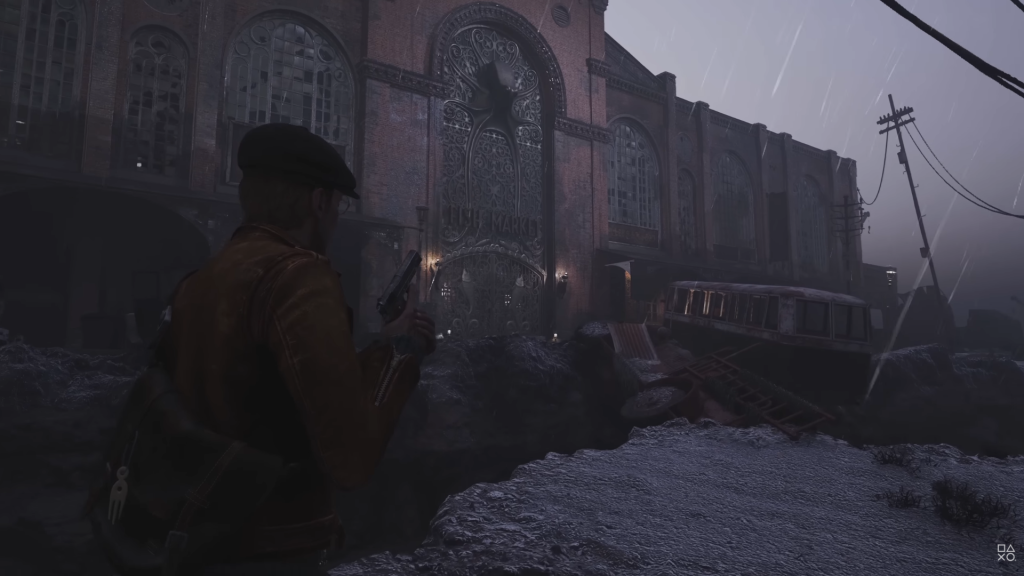
7. Ignoring Small Notes and Cult Documents
Many players skim notes.
Big mistake.
Lore entries may secretly affect:
- Dialogue options
- Investigation theories
- Character trust
- Ending interpretation
Why it matters:
Story and gameplay are deeply connected.
8. Spending Early Upgrade Points on Combat Only
Combat feels urgent.
Investigation systems matter longer.
Priority upgrades:
- Inventory space
- Evidence efficiency
- Healing efficiency
- Resource detection
- Combat specialization
Why it matters:
Ammo runs out.
Systems don’t.
9. Assuming Every Suspect Is Guilty or Innocent
This mindset causes wrong deductions.
Better approach:
Ask:
- Who benefits?
- Who’s hiding information?
- Who’s technically truthful?
Why it matters:
Truth and innocence aren’t always the same.
10. Returning With Old Habits From the First Game
Returning players often:
- Rush deductions
- Ignore side rooms
- Prioritize guns
- Skip lore documents
Why it matters:
The sequel appears to reward patience more heavily.
11. Using Healing Items Whenever You’re Hurt
Not every injury needs treatment.
Why it matters:
Craft-only healing items may become your rarest resource.
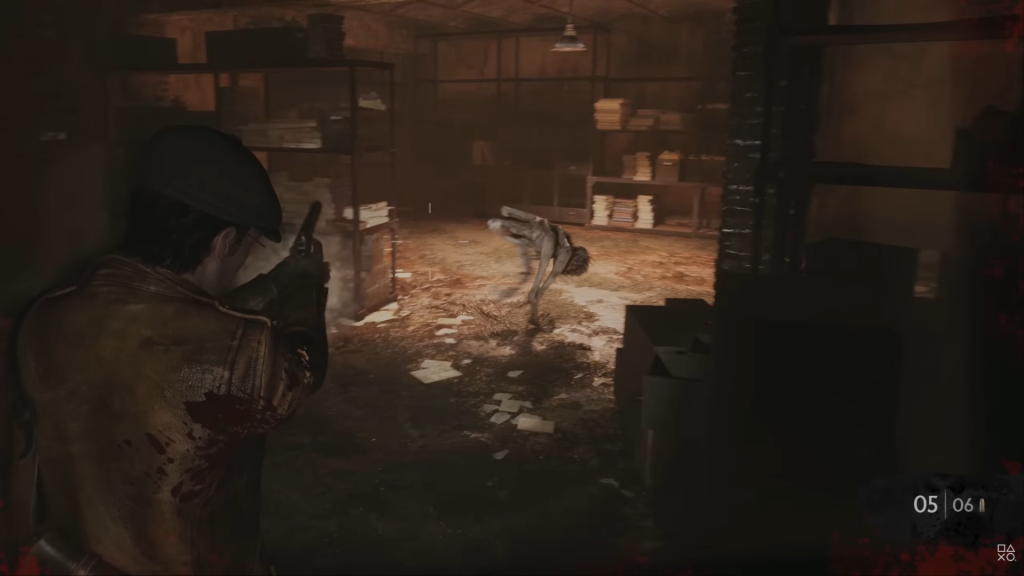
12. Fighting Every Monster
Some encounters are resource traps.
Ask:
- Is this fight mandatory?
- Is there alternate routing?
- Is stealth safer?
Why it matters:
Ammo efficiency determines midgame difficulty.
While Directive 8020 focuses on cinematic sci-fi horror and player choices, this game leans more into Lovecraftian survival horror with exploration and investigative elements.
13. Ignoring Environmental Clues
Players often search desks…
…and miss:
- Wall markings
- Water stains
- Symbol patterns
- Floor scratches
- Blood trails
Why it matters:
Environmental storytelling often solves puzzles before the puzzle appears.
14. Trusting Quest Markers Too Much
Markers show destinations.
Not logic.
Why it matters:
The answer may be behind you—not ahead.
15. Playing Without Multiple Save Slots
Possibly your biggest mistake.
Use:
- Investigation save
- Choice save
- Puzzle save
- Boss encounter save
Why it matters:
Soft fails don’t always look like failures immediately.
5 Mistakes Returning Detective-Game Players Make
Players often assume:
Every clue must be collected before progress
Every puzzle has one solution
Every suspect is guilty or innocent
Every optional room is optional
Every wrong deduction is reversible
Every one of those assumptions can hurt your first run.
Lore Entries That Secretly Affect Outcomes
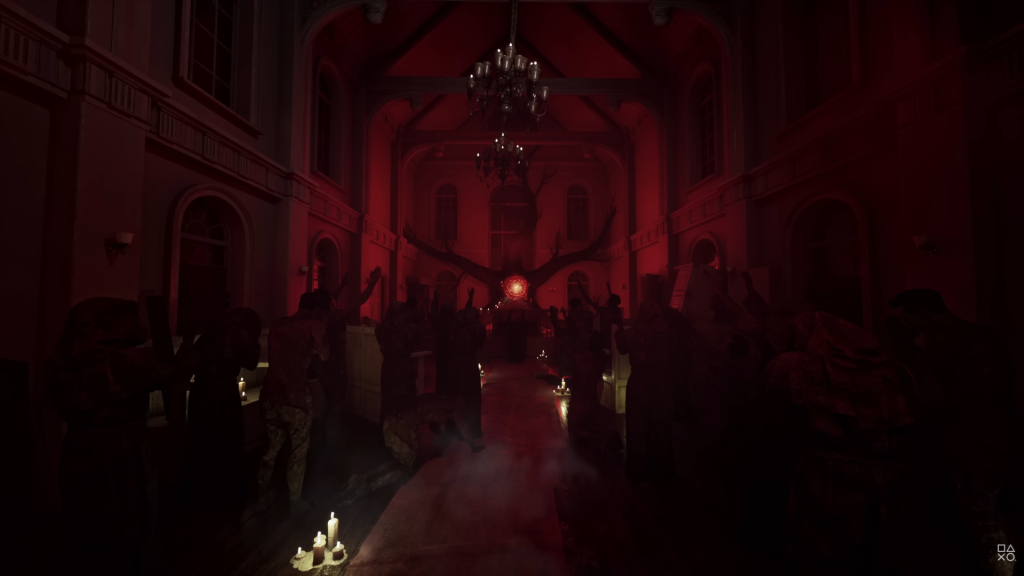
Always read:
- Cult journals
- Ritual documents
- Police archives
- Personal letters
- Medical reports
These may influence:
- Dialogue options
- Hidden theories
- Character trust
- Ending interpretation
Final Verdict — How to Get the Best First Playthrough
The best first run in The Sinking City 2 isn’t about perfect combat.
It’s about avoiding invisible mistakes.
Take your time.
Question every assumption.
Read everything.
And before pinning evidence…
Make sure you understand what that decision actually costs.
That’s the difference between finishing the case…
…and truly understanding it.
FAQ
Can you make permanent mistakes in The Sinking City 2?
Yes. The game appears to use soft-fail progression, meaning you can complete investigations while missing evidence, dialogue branches, or optional lore that may influence later interpretation. Some mistakes won’t look like mistakes until hours later.
Can you change a wrong deduction in The Sinking City 2?
It depends on the case. Some deductions may allow continued progression, while others can permanently alter suspect paths, dialogue, or available evidence. Multiple save slots are strongly recommended.
Does reading lore documents matter in The Sinking City 2?
Yes. Optional journals, cult notes, police archives, and personal letters may unlock additional theories, dialogue options, or contextual clues that affect how cases unfold.
Can you miss endings in The Sinking City 2?
Potentially. Detective choices, hidden evidence, and optional lore discoveries may influence late-game interpretation or ending variations during your first run.
#Related Articles
– Ananta Game Guide
– Resonance: A Plague Tale Legacy
– Directive 8020 (2026)